Maharashtra Board Class 9 My English Coursebook Solutions Chapter 4.4 The Tempest

Balbharti Maharashtra State Board Class 9 English Solutions My English Coursebook Chapter 4.4 The Tempest Notes, Textbook Exercise Important Questions and Answers.

Maharashtra State Board Class 9 My English Coursebook Solutions Chapter 4.4 The Tempest

My English Coursebook Std 9 Guide Chapter 4.4 The Tempest Textbook Questions and Answers

Warming up!
Chit-chat

  1. Do you have a pet? What do you call it?
  2. How old is it? What does it look like?
  3. What does it eat? Who takes care of it?
  4. Does it understand you? What does it do?
  5. Have you taught it any tricks?
  6. Do you refer to it as ‘it’ or as ‘he’/ ‘she’?

Maharashtra Board Class 9 My English Coursebook Solutions Chapter 4.4 The Tempest

1. You must have seen and liked a play (in any language) on the stage. Write down the following details about it:

Question 1.
You must have seen and liked a play (in any language) on the stage. Write down the following details about it: (Answers are directly given.)
Answer:
(a) Name of the play: “All the best” – By Devendra Pem.
(b) Important Characters: A blind, A dumb, A deaf, and A girl.
(c) Its main theme: All the three best friends like the same girl and do not want her to know of their disabilities. They try to outdo each other to win her affection.
(d) Whether it was a Comedy/Tragedy/Social Theme or any other: It was a total comedy.
(e) Why you liked it: The play is a humorous take on three friends and the situation that arises when they fall in love with the same girl. It is presented in such a lively manner that one can’t stop laughing while watching it. So I liked it very much.
(f) Message of the play: A modern perspective towards love, especially the hardships in the love of physically challenged.
(g) Any other information about the play: The roles played by all characters are amazing and we never feel bored while watching it. Their ploy and plans to woo and win the girl are source of wit in the play.

2. The following are the different steps in a drama/play. They are in a mixed up order. Rearrange them in ‘a’ proper order. Just write the order numbers in brackets:

Question 1.
The following are the different steps in a drama/play. They are in a mixed up order. Rearrange them in ‘a’ proper order. Just write the order numbers in brackets:
Answer:
(a) Characters Enter (2)
(b) Climax (6)
(c) Curtain opens (1)
(d) Action begins (3)
(e) Scene of the play (5)
(f) Curtain closes (8)
(g) Finale (Final outcome) (7)
(h) Interaction of characters (4)

Maharashtra Board Class 9 My English Coursebook Solutions Chapter 4.4 The Tempest

3. William Shakespeare was one of the greatest playwrights of all times. He lived in the 16th century. Many of Shakespearean plays have been written in the short-story form. Find out the names of at least 5 of Shakespearean plays:

Question 1.
William Shakespeare was one of the greatest playwrights of all times. He lived in the 16th century. Many of Shakespearean plays have been written in the short-story form. Find out the names of at least 5 of Shakespearean plays: Example: Romeo and Juliet.
Answer:

  1. As you like it
  2. Hamlet
  3. Othello
  4. Twelfth Night
  5. The Taming of the Shrew.

English Workshop:

1. Write down the relation between the characters given below:

Question 1.
Write down the relation between the characters given below:
(Answers are directly given.)
Answer:
(a) Prospero and Miranda – Father and daughter
(b) Prospero and Antonio – Brothers
(c) Gonzalo and Prospero – Lord and Duke
(d) Sycorax and Caliban – mother and son
(e) Alonso and Sebastian – brothers
(f) Alonso and Ferdinand – father and son

Maharashtra Board Class 9 My English Coursebook Solutions Chapter 4.4 The Tempest

2. Find two supporting points from the story to prove the following facts:

Question 1.
Antonio was a disloyal and dangerous man.
(a) …………………………………………………………..
(b) …………………………………………………………..
Answer:
(a) He wanted to become Duke of Milan in his brother’s place.
(b) Antonio wouldn’t have hesitated to kill his brother Prospero.

Question 2.
Gonzalo was loyal to the rightful Duke.
(a) …………………………………………………………..
(b) …………………………………………………………..
Answer:
(a) Among Prospero’s courtiers was a true and loyal Lord called Gonzalo.
(b) Out of love and loyalty for the rightful duke he had secretly placed in the boat fresh water, food and clothes, and along with them, Prospero’s most valued possessions, his books.

Question 3.
Prospero was a great magician.
(a) …………………………………………………………..
(b) …………………………………………………………..
Answer:
(a) Prospero was a great magician for his life had been devoted to the study of magic.
(b) The power of his art enabled him to set free “the imprisoned spirits of whom Ariel was the chief’.

Question 4.
Miranda was very kind-hearted.
(a) …………………………………………………………..
(b) …………………………………………………………..
Answer:
(a) Miranda, a kind-hearted girl begged her father to have pity on the people caught in the storm.
(b) Please, please quell the storm now! Save the poor souls on board!

Maharashtra Board Class 9 My English Coursebook Solutions Chapter 4.4 The Tempest

Question 5.
Ariel was very faithful to Prospero.
(a) …………………………………………………………..
(b) …………………………………………………………..
Answer:
(a) Ariel appeared before Prospero to give an account of the storm.
(b) He gave lively story of the fears of the sailors, the anxiety of the lords and how Prince Ferdinand had leaped into the sea.

Question 6.
The story ‘The Tempest’ has a happy ending.
(a) …………………………………………………………..
(b) …………………………………………………………..
Answer:
(a) Prospero was happy and pleased to be I back in Milan and forgave his old enemies who had wronged him cruelly.
(b) Even though they had been at mercy, he did not take revenge on them, but very nobly forgave them.

3. Who said to whom and when?

Question 1.
Who said to whom and when?
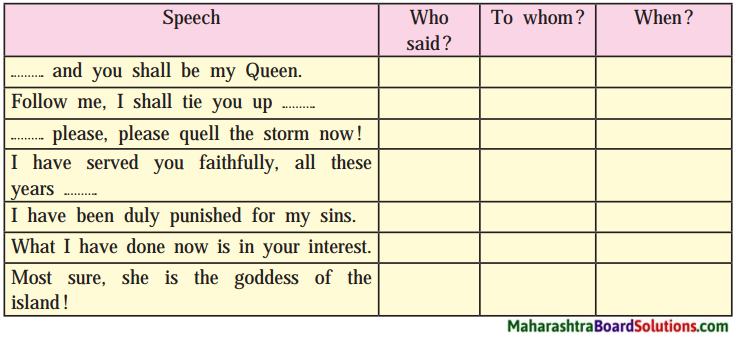
Maharashtra Board Class 9 My English Coursebook Solutions Chapter 4.4 The Tempest 1

  1. ………. and you shall be my Queen.
  2. “Follow me, I shall tie you up, neck and feet together.”
  3. …………… “Please, please quell the storm now!”
  4. “Remember, Master, I have served you joyfully all these years!”
  5. “I have been duly punished for my sins.”
  6. “What I have done now is in your interest!”
  7. Most sure, she is the goddess of the island!

Answer:

  1. Ferdinand said to Miranda when he fell in love with Miranda.
  2. Ferdinand said to himself when he saw Miranda on the isolated island for the first time.
  3. Miranda said to her father when she saw the ship struggling on the wild waves.
  4. Ariel said to Prospero when Prospero told Ariel to bring Ferdinand at once.
  5. Alonso said to Prospero, when he realized that he had lost his son.
  6. Prospero told his daughter when she requested him to quell the storm.
  7. Prospero said to Ferdinand when he pretended to be angry.

Maharashtra Board Class 9 My English Coursebook Solutions Chapter 4.4 The Tempest

4. Match the paragraphs in Column A with their suitable title in Column B: (Only the first and last words of the paragraph are given in Column A to identify it.)
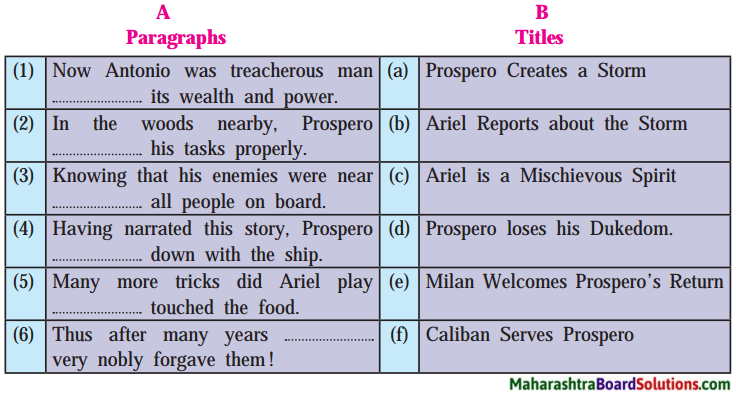
Question 1.
Match the paragraphs in Column A with their suitable title in Column B: (Only the first and last words of the paragraph are given in Column A to identify it.)
Maharashtra Board Class 9 My English Coursebook Solutions Chapter 4.4 The Tempest 2
Answer:

  1. Now Antonio was treacherous man … its wealth and power. – Prospero Loses his Dukedom.
  2. In the woods nearby, Prospero … his tasks properly. – Caliban Serves Prospero
  3. Knowing that his enemies were near … all people on board. – Prospero Creates a Storm
  4. Having narrated this story, Prospero … down with the ship. – Ariel Reports about the Storm
  5. Many more tricks did Ariel play … touched the food. – Ariel is a Mischievous Spirit
  6. Thus after many years … very nobly forgave them! – Milan Welcomes Prospero’s Return

5. Activity: Live English: Tourism

Maharashtra Board Class 9 My English Coursebook Solutions Chapter 4.4 The Tempest 3

Location: Sindhudurg fort is located on the southernmost edge of the Maharashtra coast.
History: A sea fort, built by Chhatrapati Shivaji Maharaj.
Languages: Marathi, Hindi, English
Best time to visit: Winter
Where to stay: MTDC Holiday Resort: The resort at Tarkarli has 10 cottages with 20 sea-facing double bedrooms and one house boat.
What to see: Temples of Maruti, Bhavani, Chhatrapati Shivaji
How to get there:
By Air: The nearest international airport is Chhatrapati Shivaji International Airport, Mumbai.
By Rail: The nearest railhead is Sindhudurg on the Konkan Railway. Kankawali and Kudal are the other important railway stations nearby.
By Road: Mumbai-Tarkarli: 540 km.
Sites nearby: Sawantwadi, Malwan City, Tarkarli Beach. Redi Ganesh Temple, Vijaydurg, Kunkeshwar Temple, Amboli.
Maharashtra Board Class 9 My English Coursebook Solutions Chapter 4.4 The Tempest

Maharashtra Board Class 9 My English Coursebook Solutions Chapter 4.4 The Tempest 4

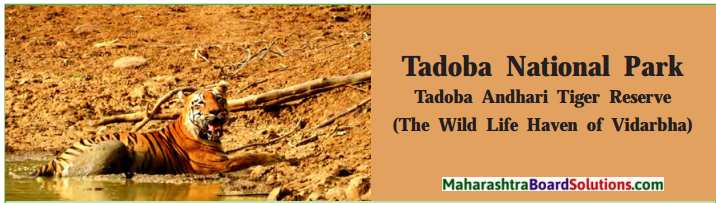
Location: Located on the outskirts of Chandrapur district, Tadoba Andhari Tiger Reserve is Maharashtra’s oldest and largest national park.
Languages: Marathi, Hindi, English, Tribal
The best season to visit: 15th October to 15th June. Hot summers are the ideal time to view mammals near water sources.
Where to stay: MTDC Jungle Resort (Mohrali) offers self-contained rooms, ideal for families. The rooms are comfortable, and offer a fine lake view.
How to get there:
By Air: The nearest international airport is Chhatrapati Shivaji International Airport, Mumbai.
By Rail: The nearest railhead is Sindhudurg on the Konkan Railway. Kankawali and Kudal are the other important railway stations nearby.
By Road: Chandrapur-Tadoba 45km. State transport buses ply from Chandrapur to Tadoba.
Attractions: Tiger, Panther, Bison, Sloth Bear, Hyena, Jackal, Wild Dog, Sambar, Leopard and Barking Deer.
Sights nearby: Bhadrawati, Markanda, Bhamragarh, Anandwan

Chit – Chat

  1. Do you like to travel?
  2. How do you like to travel?
  3. Which is the nearest place to which you have travelled?
  4. Which is the farthest?
  5. Have you ever travelled by ………….. ?
  6. What do you like to carry with you when you travel?
  7. What souvenirs do you like to bring back from your travels?

1. Observe the tourist leaflets given on page no. 114 of the textbook and answer the questions:

Question (a)
Which place do these leaflets describe?
Answer:
These leaflets describe ‘Sindhudurg’ and ‘Tadoba National Park’.

Maharashtra Board Class 9 My English Coursebook Solutions Chapter 4.4 The Tempest

Question (b)
What are the main points given in each leaflet?
Answer:
The main points given in each leaflet are –

  1. Location
  2. History
  3. Languages
  4. Best time to visit
  5. Where to stay?
  6. What to see?
  7. How to go there? (by air, by rail, by road)
  8. Sites nearby.

Question (c)
How can one reach Tadoba? why?
Answer:
One can reach Tadoba by taking a plane to Nagpur. One can also reach Tadoba by going to Chandrapur in a train and then taking a bus for the 45 km journey to Tadoba National Park.

Question (d)
Which is the best season to visit Tadoba? Why?
Answer:
The best season to visit Tadoba is hot summers, from 15th October to 15th June, to view mammals near water resources.

Question (e)
List the words related to tourism, e.g. tourist, reservation, etc.
Answer:
Tourism-related words are –

  1. tourist
  2. booking
  3. travel
  4. ticket
  5. flight
  6. train
  7. buses
  8. forts
  9. trek.
  10. resort
  11. mountains
  12. hill stations
  13. history
  14. MTDC
  15. ST

Maharashtra Board Class 9 My English Coursebook Solutions Chapter 4.4 The Tempest

2. Prepare a tourist leaflet for a historical place or a hill station using the following points:

Question 1.
Prepare a tourist leaflet for a historical place or a hill station using the following points:

  1. Place
  2. Special features
  3. Distance
  4. How to go there
  5. Accommodation
  6. Food
  7. Climate

Answer:
1. Place: Hill Station: Mahabaleshwar

2. Special features: The jungles of Mahabaleshwar are known for their density and a stunning array of birds and wildlife located in Western ghats at the elevation of approximately 353 metres. It offers appealing view of evergreen valleys and hills of the Konkan and the Deccan coast. The climate is cool and pleasant suitable for cultivation of strawberries.

3. Distance: Mumbai – Mahabaleshwar – 262 kms

  • Pune – Mahabaleshwar – 125 kms
  • Satara – Mahabaleshwar – 62 kms
  • Mahad – Mahabaleshwar – 32 kms

4. How to go there:

  • By Air: Pune airport lies 120 km from the place is the nearest airport.
  • By Rail: Satara is the nearest railway station, about 62 km.
  • By Road: Many ST buses run from Mumbai and Pune. Private buses and taxis are also available.

5. Accommodation: Mahabaleshwar has no dearth of accommodation options. There are many hotels ranging from deluxe to budget. Other options include tourist lodges, guest houses, private bungalows and MTDC Resort.

6. Food:

  • Maharashtrian and any type of Indian and continental foods are available.
  • Mahabaleshwar is famous for strawberry ice cream, milk shake, jam, jelly, etc.

7. Climate :

  • Throughout the year the climate is mild and pleasing.
  • It receives incessant showers from July to September when temperature ranges between 20 to 25 degree.

Maharashtra Board Class 9 My English Coursebook Solutions Chapter 4.4 The Tempest

3. If you want to become a tourist guide at the following place, which languages will you need to learn?

Question 1.
If you want to become a tourist guide at the following place, which languages will you need to learn?

  1. Ajanta
  2. Belgavi
  3. Delhi
  4. Tarkarli

Answer:

  1. Ajanta: Marathi, Hindi, English
  2. Belgavi: Kannada, English
  3. Delhi: Hindi, English
  4. Tarkarli: Marathi, English, Hindi

4. Imagine you are a tourist guide at (1) Sindhudurg (2) Tadoba. Write two sentences each about the following points to help foreign tourists:

Question 1.
Imagine you are a tourist guide at
1. Sindhudurg
2. Tadoba.
Write two sentences each about the following points to help foreign tourists:
(a) About the place: History, languages spoken, special attractions.
(b) Food: speciality, local delicacies, options (Indian, continental)
(c) Shopping: authenticity of local artefacts, price, variety.
Answer:
1. Sindhudurg:
(a) About the place: The place is located in Sindhudurg district just off the coast of Maharashtra in Western India. The fortress lies on the shore of Malvan town of Sindhudurg district in Konkan region. It was built by Chhatrapati Shivaji Maharaj. It is believed that Shivaji personally selected the site for the construction of the fort. The languages spoken here are Marathi, Malvani, Hindi and English.

(b) Food: The place is famous for its sea food, kombdi vade and the local Malvani cuisine. It is also popular for Alphonso mangoes.

(c) Shopping: Local delicacies made by the people out of mangoes, jackfruits, kokam and cashewnuts can be bought from the city. Mangoes of good quality and taste are also available here.

2. Tadoba:

(a) About the place: Tadoba Andhari Reserve is the largest National Park in Maharashtra. It is a tiger reserve in Chandrapur district of Maharashtra. It was created in 1955. Marathi, Hindi, and some tribal languages are spoken here.
(b) Food: The local cuisine is the Vidarbha cuisine. Veg. and non veg. hotels and restaurants nearby area also provide Indian and continental food as well.
(c) Shopping: The Tiger Reserve souvenirs can be brought at reasonable rates from the shops around the reserve.

Maharashtra Board Class 9 My English Coursebook Solutions Chapter 4.4 The Tempest

5. Prepare an attractive tourist leaflet for your native place, in English as well as in your mother tongue:

Question 1.
Prepare an attractive tourist leaflet for your native place, in English as well as in your mother tongue: [Note : The tourist leaflet of Kolhapur is given below, as an example. Students are expected to prepare leaflet of their own native place.]
Answer:
Kolhapur

1. Location: Kolhapur is an inland city located in South-west Maharashtra state, 228 km south of Pune. It is a historic city of Maharashtra, famous for temple of a Hindu Goddess – Mahalakshmi.

2. History: Kolhapur was established by Tarabai in 1707 during succession dispute over the Maratha Kingship. The state was annexed by the British in the 19th century. It was ruled by Bhosale Royal clan of the Maratha Empire.

3. Languages: Marathi, Kannada, Hindi, English.

4. Best time to visit: Summers here are very hot, hence the months between June and February are the best time to visit.

5. Accommodation: 2 star and 3 star hotels, private bungalows and MTDC Resorts. Tourists can choose from a wide range of hotels based on their budget and preferences.

6. How to go there:

  • By Air: Belgaum is the nearest airport from Kolhapur, which is connected through airlines from Mumbai.
  • By Rail: Kolhapur is connected by a good rail network to other cities like Mumbai, Bengaluru, Pune and Tirupati.
  • By Road: It is 450 km from Mumbai. One can get direct buses (ST and Private) to Kolhapur from Mumbai, Pune, Bengaluru, Belgaum, Mangaluru and Hubli.

7. Attractions: The city has multiple options that can be explored. Mahalaxmi Temple, Rankala Lake. Panhala fort, Jyotiba Temple, Siddagiri Museum, Shahuji Maharaj Museum/palace, Kopeshwar Temple are some of the attractions in city. Kolhapur is famous for special mutton dishes especially Pandhara and Tambda Rassa, Kolhapuri Bhel and Misal.

6. Suppose a foreigner comes to visit your place and you have to accompany him for sight seeing. Prepare a dialogue between you and the foreigner:

Question 1.
Suppose a foreigner comes to visit your place and you have to accompany him for sight seeing. Prepare a dialogue between you and the foreigner:
Answer:

  • Myself: So, you are here to visit our city. Would you like to accompany me for sight seeing?
  • Foreigner: Being native of this city, I think you would be of great help to me. So from where shall we start?
  • Myself: Better we start from the place out of the city, Verul caves, which is the main attraction of the tourists.
  • Foreigner: How much time will it take? Can we see another place also along with it?
  • Myself: It takes around 4-5 hours to see all the caves in detail. We can also visit Grishneshwar Jyotirling Temple nearby. It is believed to be an ancient temple of Hindus.
  • Foreigner: Oh that’s great! So after lunch better we come back in the city.
  • Myself: Yes, in city too in evening you can visit Bibi ka Maqbura, a replica of Taj Mahal and Pawan Chakki (wind mill).
  • Foreigner: Very nice. We will go there in the evening. So what is left for tomorrow?
  • Myself: Tomorrow we can go to Ajanta Caves. It takes a whole day for travelling and viewing it.
  • Foreigner: I have heard about an ancient fort also.
  • Myself: Yes, you are right. But it’s not possible to see at a time. We can go there day after tomorrow.
  • Foreigner: That’s great idea. You have been a great help for me. Thanks a lot, dear.
  • Myself: You are welcome!

Maharashtra Board Class 9 My English Coursebook Solutions Chapter 4.4 The Tempest

7. Using the Internet, find the following information about a place you wish to visit using the following points:

Question 1.
Using the Internet, find the following information about a place you wish to visit using the following points:

  1. Distance from your place
  2. Available modes of transport
  3. Accommodation facilities
  4. Historical facts
  5. Climate
  6. Famous sites.

My English Coursebook 9th Class Solutions Chapter 4.4 The Tempest Additional Important Questions and Answers

Simple Factual Activities:

Question 1.
State whether the following statements are True or False: (Answers are directly given.)
Answer:

  1. Prospero was the duke of Milan, in the kingdom of Naples. – True
  2. Prospero’s brother Gonzalo was a very treacherous man. – False
  3. Books were Prospero’s most valued possessions. – True
  4. The king Antonio landed safely on an enchanted island. – False

Question 2.
Who were all sailing in the ship, close to the enchanted island ?
Answer:
The King of Naples – Alonso, his brother – Sebastian, Antonio, Prince Ferdinand of Naples, and the old, loyal courtier Gonzalo.

Question 3.
Who am I? (Answers are directly given.)
Answer:

  1. I am a great magician. – Prospero
  2. I am the chief of the imprisoned spirits. – Ariel
  3. I am the twisted, ugly monster. – Caliban
  4. I am the king of Naples. – Alonso

Maharashtra Board Class 9 My English Coursebook Solutions Chapter 4.4 The Tempest

Question 4.
Complete the following sentences:
Answer:

  1. Prospero led his daughter to the shore of the island.
  2. Miranda begged her father to have pity on the people caught in the storm.
  3. Prospero explained to his daughter that he had caused the tempest in order to bring his enemies Alonso and Sebastian, within his power.
  4. Ariel gave a lively account of the fears of the sailors, the anxiety of the lords and how Prince Ferdinand had leaped into the sea.

Question 5.
Arrange the following sentences in chronological order:
Answer:

  1. Prospero narrated the story of their past life to his daughter.
  2. Prospero raised a great tempest with his power of magic.
  3. He wanted to show how the ship was struggling on the wild waves due to his magic.
  4. Being kind-hearted, Miranda requested her father to have pity on the people caught in the storm. Answer:
  5. Prospero raised a great tempest with his power of magic.
  6. He wanted to show how the ship was struggling on the wild waves due to his magic.
  7. Being kind-hearted, Miranda requested her father to have pity on the people caught in the storm.
  8. Prospero narrated the story of their past life to his daughter.

Question 6.
State whether you Agree or Disagree with the following statements: (Answers are directly given.)
Answer:

  1. Miranda had never ever seen any human being except her father. – Agree
  2. Prospero was not happy when his daughter saw Ferdinand. – Disagree
  3. Miranda was the goddess of the island. – Disagree
  4. Ariel was very faithful to Prospero. – Agree

Question 7.
Fill in the blanks with one word:
(Answers are directly given.)
Answer:

  1. Prospero took the prince to a cave.
  2. Ferdinand wanted to be the king of Naples.
  3. Many more tricks were played on Prospero’s enemies by Ariel.
  4. Antonio wanted to kill king Alonso.

Maharashtra Board Class 9 My English Coursebook Solutions Chapter 4.4 The Tempest

Question 8.
State whether the following statements are Right or Wrong:
Answer:

  1. People in Milan welcomed Prospero with great love and joy. – Right
  2. Prospero nobly forgave his old enemies. – Right
  3. Ferdinand and Miranda got married on the enchanted island. – Wrong
  4. Ariel was as free as air at the end. – Right

Question 9.
Complete the following sentences with the help of the passage: (Answers are directly given.)
Answer:

  1. Prospero decided to give up the practice of magic.
  2. Ariel promised everyone calm seas and favourable winds while sailing.
  3. Alonso was happy to see his lost son.
  4. Prospero assured Alonso that their ship was safely anchored and each and every sailor was safe on board.

Complex Factual Activities:

Question 1.
What evil deed did Antonio do, to become a Duke himself ?
Answer:
Antonio conspired with the king of Naples, Alonso to take his brother’s Dukedom. They took Prospero and his baby daughter Miranda far away from land. They left them in a broken, old boat and sailed away.

Question 2.
What had the faithful Lord Gonzalo done to help Prospero?
Answer:
Out of his love and loyalty for the rightful duke, Prospero, Gonzalo had secretly placed fresh water, food and clothes and most valued possessions, his books in the boat to help Prospero.

Maharashtra Board Class 9 My English Coursebook Solutions Chapter 4.4 The Tempest

Question 3.
Complete the difference between Prospero and Antonio:
Answer:

ProsperoAntonio
1. Prospero was a Studious and learned scholar.1. Antonio was a treacherous man.
2. He spent most of his time reading books.2. He managed the business of rullmg the kingdom and wanted to become Duke of Milan in his brother’s place.

Question 4.
What good deed did Prospero do on the enchanted island?
Answer:
The enchanted island was under the spell of Sycorax, a dead witch. Prospero, set free all the imprisoned good spirits on that island and compelled them to follow his orders. Being a good magician, he could do it so all the spirits were grateful and obedient to him.

Question 5.
What did Prospero do when he saw Alonso, Sebastian and Antonio sailing in a ship close to enchanted island?
Answer:
When Prospero came to know that Alonso, Sebastian and Antonio were sailing in a ship close to enchanted island, he raised a great tempest with the power of his magic. The royal ship was turned and tossed on the stormy waves. It seemed as if it would sink any moment, along with all the people on board.

Question 6.
For what two reasons did Prospero raise a great tempest?
Answer:
1. Prospero raised a great tempest in his daughter’s interest.
2. He also wanted to bring his enemies, Alonso and Antonio within his power. So he raised a great tempest.

Question 7.
How did Ferdinand get separated from his father?
Answer:
When the ship was struggling in the waves, Ferdinand had jumped into the sea. So everyone on the ship thought that he was dead. But actually he got separated from his father and was left alone on a beach.

Question 8.
Who said to whom and when:
1. “Obey my commands now, and in two days I shall set you free!”
2. “All your troubles were merely trials of your love”.
Answer:
1. Prospero said to Ariel when Ariel reminded him of his promise.
2. Prospero said to Ferdinand when he was sure that Ferdinand loves his daughter.

Maharashtra Board Class 9 My English Coursebook Solutions Chapter 4.4 The Tempest

Question 9.
How did Ferdinand and Miranda react on seeing each other?
Answer:
Miranda had never seen any other human being in her life beside her father so when she saw Ferdinand she was thrilled and thought that he was divine and noble. On the other hand Ferdinand was astonished to see a beautiful girl on an isolated island. Basically both of them gazed at each other in wonder, admiration and love.

Question 10.
What gave Prospero a secret pleasure?
Answer:
When Ferdinand was brought there, he and Miranda looked at each other in wonder, admiration and love. Actually Prospero brought him there for his daughter. So seeing his daughter get attracted to Ferdinand, Prospero was pleased.

Question 11.
How did Ariel save king Alonso’s life?
Answer:
Antonio and Sebastian had plotted to murder of king Alonso. Ariel saved his life by waking up the king from his sleep in the nick of time.

Question 12.
What tricks did Ariel play on Prospero’s enemies?
Answer:

  1. He caused them to wander about.
  2. He filled their ears with strange and frightful noises.
  3. When they were faint with hunger, he set a huge banquet before them, only to take it away when they touched the food.

Question 13.
What surprise awaited king Alonso when Prospero drew back the curtain?
Answer:
When Prospero drew back the cmtain from the entrance of his cave, King Alonso saw Ferdinand, his lost son happily playing a game of chess with Miranda. That was a pleasant surprise for the king Alonso.

Find two supporting points from the story to prove the following fact:

Question 1.
King Alonso felt ashamed for his deed.
Answer:
(a) The king and other courtiers were ashamed.
(b) They begged Prospero’s forgiveness.

Activities based on vocabulary:

Question 1.
Find out adjectives used to describe the following nouns: (Answers are directly given.)
Answer:

  1. enchanted island
  2. evil witch
  3. broken boat
  4. freshwater.

Maharashtra Board Class 9 My English Coursebook Solutions Chapter 4.4 The Tempest

Question 2.
Choose the correct alternative given for the synonym of the words given below:
(Answers are directly given.)
Answer:
1. studious: bookish
(a) outstanding
(b) concerned
(c) bookish
(d) clever.

2. treacherous: unreliable
(a) foolish
(b) tricky
(c) unreliable
(d) favourite.

3. witch: an ugly evil
(a) spirit
(b) an ugly evil
(c) ghost
(d) magician.

4. rightful: lawful
(a) lawful
(b) expert
(c) faithful
(d) true.

Question 3.
Find out antonyms for the following from the passage: (Answers are directly given.)
Answer:

  1. disillusioned × enchanted
  2. kindhearted × vicious
  3. thankless × grateful
  4. sympathetic × brutal

Question 4.
Give one word from the passage for the following description :
(Answers are directly given.)
Answer:

  1. A minor nature goddess usually depicted as a beautiful maiden – sea nymph
  2. Linear unit of measurement for water depth – fathom
  3. Causing fear or terror – dreadful
  4. a relative permanent state of worry and nervousness – anxiety

Question 5.
Make a word register related with “sea”.
Answer:
A word register related with “sea” – shore, island, ship, waves, storm, sailors, fathom, sea- nymphs.

Maharashtra Board Class 9 My English Coursebook Solutions Chapter 4.4 The Tempest

Question 6.
Complete the following table by writing related words to the given mood:
(Answers are directly given.)
Answer:

Happy moodSurprise mood
1. joyfullyastonished
2. thrilledwonder

Question 7.
Write down minimum four infinitives from the passage:
Answer:
to defend, to capture, to go, to see, to stand obey, remember, follow.

Question 8.
Match the words in Column ‘A’ with their meanings in Column ‘B’:

Column ‘A’Column ‘B’
1. treacherous(a) a grand dinner party
2. revealed(b) very valuable
3. banquet(c) showed
4. priceless(d) deceitful

Answer:

Column ‘A’Column ‘B’
1. treacherous(d) deceitful
2. revealed(c) showed
3. banquet(a) a grand dinner party
4. priceless(b) very valuable

Question 9.
Find out two words from the passage with suffix ‘ness’ and write your own two words with suffix ‘ness’.
Answer:
Words from the passage:
1. wickedness
2. kindness.
My own words:
1. happiness
2. sadness.

Question 10.
Complete the following table:
Answer:

Present TensePast TensePast Participle
givegavegiven
seesawseen
assureassuredassured
forgiveforgaveforgiven

Question 11.
Pick the odd man out:
Answer:

  1. heir, cave, ship, old, wind – old
  2. take, wander, safe, punish, hear – safe
  3. happy, thrilling, calm, revenge, favourable – revenge
  4. nobly, safely, happily, marry, duly – marry

Maharashtra Board Class 9 My English Coursebook Solutions Chapter 4.4 The Tempest

Activities based on contextual grammar:

Question 1.
Add a question tag:
(Answers are directly given.)
Answer:

  1. Prospero was the Duke of Milan, wasn’t he?
  2. Antonio would not have hesitated to kill Prospero, would he?
  3. You can imagine the hardships faced by Prospero, can’t you?
  4. The spirits remained trapped in their prisons, didn’t they?

Make the following sentences exclamatory:

Question 1.
Antonio was a treacherous man.
Answer:
What a treacherous man Antonio was!

Question 2.
Gonzalo was a true and loyal courtier.
Answer:
What a true and loyal courtier Gonzalo was!

Question 3.
Identify the tense:

  1. The ship was carrying Prince Ferdinand of Naples.
  2. He had devoted his life to the study of magic.
  3. They promised to be ever obedient to his will.

Answer:

  1. Past Continuous Tense
  2. Past Perfect Tense
  3. Simple Past Tense.

Question 4.
Begin the sentence with the underlined word/words:
1. Prospero raised a great tempest with the power of his magic.
2. In the woods nearby, Prospero found Caliban, a twisted, ugly monster.
Answer:
1. A great tempest was raised with the power of his magic by Prospero.
2. Caliban, a twisted, ugly monster was found by Prospero in the woods nearby.

Use ‘As soon as’ in the following sentences:

Question 1.
Prospero touched Miranda with his magic stick and she fell fast asleep.
Answer:
As soon as Prospero touched Miranda with his magic stick, she fell fast asleep.

Maharashtra Board Class 9 My English Coursebook Solutions Chapter 4.4 The Tempest

Question 2.
As the tempest raged, Prospero led his daughter to the shore of the island.
Answer:
As soon as the tempest raged, Prospero led his daughter to the shore of the island.

Question 3.
Rewrite the following sentences as per the instructions:
1. Prospero waved his magic stick.
(Rewrite the sentence in past continuous tense.)
2. Ariel informed Prospero that the ship, was safely anchored in one corner of the island.
(Rewrite the sentence in past perfect tense.)
Answer:
1. Prospero was waving his magic stick.
2. Ariel had informed Prospero that the ship was safely anchored in one corner of the island.

Question 4.
Rewrite the following sentences in polite request in form of question:
1. Obey my commands now!
2. Bring Ferdinand here at once.
Answer:
1. Will you please obey my commands now?
2. Can you please bring Ferdinand here at once?

Question 5.
Prospero said to Ferdinand, “All your troubles were merely trials of your love and you have nobly stood the test. Now, I give you my daughter, a priceless gift.”
(Rewrite the sentence in indirect narration.)
Answer:
1. Prospero told Ferdinand that all his troubles were merely trials of his love and he had nobly I stood the test. He further added that he gave him (Ferdinand), his daughter, a priceless gift.

Question 6.
Begin the sentences with the underlined object and rewrite it:
1. Ariel brought them before Prospero.
2. He thanked Gonzalo for his kindness.
Answer:
1. They were brought before Prospero by Ariel.
2. Gonzalo was thanked for his kindness by him.

Question 7.
Make them assertive:
1. How happy Alonso was to see his lost son!
2. How thrilled Alonso was to hear that Ferdinand was to marry the duke of Milan’s beautiful daughter.
Answer:
1. Alonso was very happy to see his lost son.
2. Alonso was very much thrilled to hear that Ferdinand was to marry the duke of Milan’s beautiful daughter.

Maharashtra Board Class 9 My English Coursebook Solutions Chapter 4.4 The Tempest

Question 8.
Use ‘not only … but also’ :
1. Prospero was happy and pleased to be back in Milan.
2. Ariel promised them calm seas and favourable winds in their journey.
Answer:
1. Prospero was not only happy but also pleased to be back in Milan.
2. Ariel promised them not only calm seas but also favourable winds in their journey.

Do as directed:

Question 1.
Complete the words by using correct letters:

  1. o_der
  2. gre_t
  3. ne_er
  4. ma _ ic

Answer:

  1. order
  2. great
  3. never
  4. magic

Question 2.
Copy the following sentences correctly in your notebook:
Answer:
1. Prospero was the Duke of Milan in the kingdom of Naples.
2. “Obey my commands now,” Prospero said to him.

Question 3.
Put the following words in alphabetical order:
1. earthen, natural, different, leisure
2. renowned, rectangles, residing, recording
Answer:
1. different, earthen, leisure, natural.
2. recording, rectangles, renowned, residing.

Question 4.
Punctuate the following sentences:
1. every child is an artist the problem is how to remain an artist once we grow up said Picasso
2. oh i didn’t see you come in said the teacher to ritesh
Answer:
1. “Every child is an artist. The problem is how to remain an artist once we grow up?” said Picasso.
2. “Oh, I didn’t see you come in !” said the teacher to Ritesh.

Maharashtra Board Class 9 My English Coursebook Solutions Chapter 4.4 The Tempest

Question 5.
Write four small words (minimum 3 letters each) using the letters in the given word:
“treacherous”
Answer:

  1. teach
  2. reach
  3. each
  4. hero.

Question 6.
Spot the error and rewrite the correct sentence:
1. Raza win many national and international awards.
2. Gond art have spread mainly in Central India.
Answer:
1. Raza won many national and international awards.
2. Gond art has spread mainly in Central India.

Question 7.
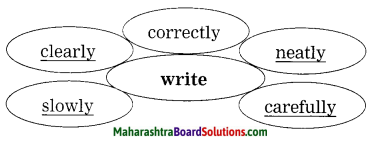
Write related words as shown in the example: (Answers are directly given.)
Answer:
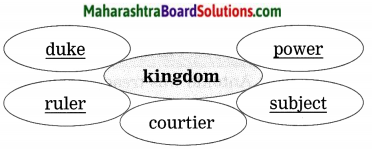
Maharashtra Board Class 9 My English Coursebook Solutions Chapter 4.4 The Tempest 5

Question 8.
Complete the following word-chain of nouns. Write four words each beginning with the last letter of the previous word:
wealth → …………….. → ………………. → …………….. → ……………..
Answer:
wealth → humour → reaction → nectar → rainbow.

Maharashtra Board Class 9 My English Coursebook Solutions Chapter 4.4 The Tempest

Do as directed:

Question 1.
Make your own meaningful sentence by using the phrase ‘to look after’:
Answer:
It is our duty to look after our parents in their old age.

Question 2.
Add a prefix or suffix to make new
words and use any one of the root words in your own sentence:
1. regular
2. wicked.
Answer:
1. regular – irregular
2. wicked – wickedness.
Sentence: The wicked man was about to kill his own friend.

Question 3.
Add a clause to expand the sentence meaningfully:
She did not know ………………..
Answer:
She did not know how she would be able to come to the decision.

Personal Response:

Question 1.
What will you do if you are left alone on an isolated island by your friends?
Answer:
If I am left alone on an isolated island by my friends, first I will try to track the location with my mobile. Then I will send it to my parents and other faithful friends. If they get that location, they will definitely reach where I am and I would come out of that isolated island.

Question 2.
Why did Prospero raise a great tempest?
Answer:
Prospero was a great magician and staying on the enchanted island. When he saw a ship carrying his enemies near his island, he wanted to show them his power of magic without doing them any harm so that they would not come nearby his island again.

Maharashtra Board Class 9 My English Coursebook Solutions Chapter 4.4 The Tempest

Question 3.
If you were given the power of magic for one day, what would you do? How would you use the power of magic?
Answer:
If I were given the power of magic for one day, I would do something for the society and for the nation. First, I would try to eradicate poverty from the society, I would give employment opportunities to each and every individual to raise the national income and to make my country developed.

Question 4.
Do you think the power of magic can make you successful? Why?
Answer:
I don’t believe in magic. As we are living in the 21st century, I believe to be at right place at right time. Luck, timing and magic, none of them will make you successful unless you work hard continuously. So I believe in hard work not in magic.

Question 5.
“Ariel was a faithful spirit” – why do you think so?
Answer:
Ariel was the chief of imprisoned good spirits. Prospero promised him that he would set him free with his power of magic. He was serving Prospero and helping him faithfully in every need of an hour to set himself free.

Maharashtra Board Class 9 My English Coursebook Solutions Chapter 4.4 The Tempest

Question 6.
What could be the reason for Prospero to give up the practice of magic?
Answer:
After using the power of his magic at an enchanted island he was back to his own kingdom, Milan. He wanted a new beginning, he wanted to rule his kingdom with human values and virtues rather than magical spells. So he might have given up the practice of magic.
Maharashtra Board Class 9 My English Coursebook Solutions Chapter 2.3 Mark Twain

Balbharti Maharashtra State Board Class 9 English Solutions My English Coursebook Chapter 2.3 Mark Twain Notes, Textbook Exercise Important Questions and Answers.

Maharashtra State Board Class 9 My English Coursebook Solutions Chapter 2.3 Mark Twain

My English Coursebook Std 9 Digest Chapter 2.3 Mark Twain Textbook Questions and Answers

Warming up!

Chit-chat:

  • Who is your favourite comedian?
  • What do you like better – to listen to a joke, or to tell a joke?
  • Do you like cartoons and cartoon films?
  • Which one do you like best?

Maharashtra Board Class 9 My English Coursebook Solutions Chapter 2.3 Mark Twain

Quick Thinkers:

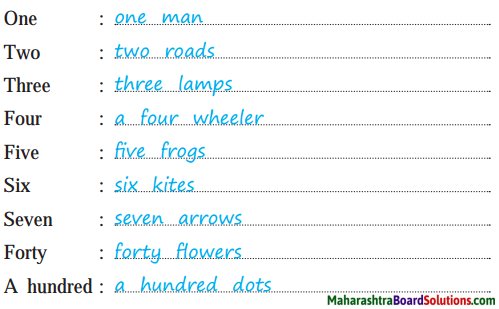
Within one minute, write as many meaningful phrases as possible using the numbers given below. Do not repeat the ideas.

Question 1.
Within one minute, write as many meaningful phrases as possible using the numbers given below. Do not repeat the ideas.
Maharashtra Board Class 9 My English Coursebook Solutions Chapter 2.3 Mark Twain 1
Answer:

  • One – one boy
  • Two – two girls
  • Three – three facebook accounts
  • Four – four complaints
  • Five – five gardens
  • Six – six policemen
  • Seven – seven roads
  • Forty – forty feet
  • A hundred – a hundred messages

Maharashtra Board Class 9 My English Coursebook Solutions Chapter 2.3 Mark Twain

Try to imagine a situation context where all the above items fit in. Describe it in 8 – 10 lines.
Think of a title for your passage.

Question 1.
Try to imagine a situation context where all the above items fit in. Describe it in 8 – 10 lines. Think of a title for your passage.
Answer:
Tit for tat
There was a boy in one city. He was studying in standard nine. He opened three fake Facebook accounts and started sending indecent messages to two girls from his class. The girls complained to their teacher four times but he continued sending ‘the same kinds of messages.

At last, the girls’ parents complained to Five gardens police station. Six policemen from the police station came to his school and took the boy to a remand home where seven roads meet. Now the boy is in a forty feet room and taking his punishment for sending hundreds of – indecent messages to the innocent girls.

Maharashtra Board Class 9 My English Coursebook Solutions Chapter 2.3 Mark Twain

Try to draw a map incorporating your phrases in a meaningful way. (Two examples are given below.) Write a key/index for your map.

Question 1.
Try to draw a map incorporating your phrases in a meaningful way. (Two examples are given below.) Write a key/index for your map.
Answer:
Maharashtra Board Class 9 My English Coursebook Solutions Chapter 2.3 Mark Twain 2

English Workshop:

1. Answer the following questions:

Question a.
Did Twain tell the barber who he was?
Answer:
Twain did not tell the barber who he was because he didn’t want to disclose his identity. But he told him that it was his first visit to that town.

Question b.
Was Twain particular about how he dressed when he was visiting friends?
Answer:
Yes, Twain was particular about his dress because when Mrs. Stowe saw him without any collar and tie she was surprised. She disapproved his dressing, it shows that he was always in formal, particular dress.

Maharashtra Board Class 9 My English Coursebook Solutions Chapter 2.3 Mark Twain

Question c.
Was Twain particular about what words he used?
Answer:
Yes, Twain was very much particular about what words he used.

Question d.
Do you think Twain approved of spelling reforms? Give reasons for your answer.
Answer:
Twain proposed a different plan for the improvement of English spellings. He wanted to convey that further changes and reformation in English spellings would be harmful for the language. So I think he did not approve of spelling reforms.

Question e.
How did Twain explain the spider in the paper? What did he want to highlight?
Answer:
Twain explained that the spider was on the paper to see which merchant was not advertising, so that he could go to that store; spin his web across the door and lead a life of undisturbed peace afterwards. He wanted to highlight that there was no logical reason behind superstitions as the spider just happened to be there on the newspaper by chance. He also wanted to highlight that we should not believe in superstitions.

Maharashtra Board Class 9 My English Coursebook Solutions Chapter 2.3 Mark Twain

2. Read the following and write the two meanings of ‘mind’ and ‘matter’ :
‘Age is an issue of mind over matter. If you don’t mind, it doesn’t matter.’

Question 1.
Read the following and write the two meanings of ‘mind’ and ‘matter’.
Age is an issue of mind over matter. If you don’t mind, it doesn’t matter.
Answer:
Here mind and matter both are used as a nouns first and then they are used as verbs.

3. Enact any one anecdote in the classroom.

Question 1.
Enact any one anecdote in the classroom.

4. Translate any five of the quotations you like.

Question 1.
Translate any five of the quotations you like.

5. Form groups of four to six.
Discuss whether and how you can improve English spelling.

Question 1.
Discuss whether and how you can improve English spelling.

Maharashtra Board Class 9 My English Coursebook Solutions Chapter 2.3 Mark Twain

6. Arrange a ‘Jokes’ session in the classroom where each student tells a joke. The jokes must be told in English.

Question 1.
Arrange a ‘Jokes’ session in the classroom where each student tells a joke. The jokes must be told in English.

Language Study:

7. Many actions involve two people/things – one that performs the action and one that is affected by the action. Example: Sonali ate the mango.
Here, the action of eating involves Sonali (who eats) and the mango (which gets eaten).
Sonali is the subject and ‘mango’ is the object of the verb ‘eat’. When you want to talk about who performed the action, the doer of the action is the subject.
Sometimes, you want focus on the object – the thing affected by the action. Then you make it the subject of that sentence. Example: The mango was eaten.
You may or may not mention the doer – here, Sonali or the person who ate it.
This is passive construction or passive voice. In this type of construction, the thing affected by the verb is the subject of the sentence, the verb is in the passive form (be + past participle), and the ‘doer’ of the action may or may not be mentioned.
In the following examples of passive voice, the ‘doer’ of action is not mentioned.
Examples :

  • The plants are pruned.
  • A cup of tea is offered to any guest …
  • Many anecdotes related to Mark Twain are told …

If we wish to mention the ‘doer’ in passive sentences, we mention it by adding ‘by’
before it. Examples :
This pen was given to me by my Aunt.
Note that only transitive verbs can be used in the passive voice.

Maharashtra Board Class 9 My English Coursebook Solutions Chapter 2.3 Mark Twain

8. Refer to the Language Study pages and read the entries ‘irony’ and ‘pun’. Find one example of each from the passage or the quotations.

Question 1.
Find the examples of ‘irony’ and ‘pun’ from the lesson or the quotations.
Answer:
irony – use of words to imply the opposite of what they mean.
Examples:

  1. A writer is working on his manuscript; and it’s a comedy.
  2. ‘classic’ – A book which people praise and don’t read.

pun – a play on words based on their different meanings, for a humorous effect.
Examples:

  1. A bicycle can’t stand on its own because it is two-tired.
  2. Age is an issue of mind over matter. If you don’t mind, it doesn’t matter.

(2 examples of irony and pun are given here. Students are expected to find more examples from the lesson.)

Maharashtra Board Class 9 My English Coursebook Solutions Chapter 2.3 Mark Twain

8. Activity: Live English: Customer Care

Question a.
Read the following conversation.
Answer:

  • Vaishali: Mother, how’s your new Zap3 mobile working?
  • Mother: Oh It’s a fantastic piece and I’ve got a Bhramar simcard free with this mobile but somehow the Internet Is not working.
  • Vaishali: Go to the settings and see if the mobile data is switched on.
  • Mother: Yes, dear, I’ve done that so many times, but still I am not getting connected.
  • Vaishali: Let’s contact the customer support at Bhramar and take their help. Look, the number Is given on the back of the simcard packet.
  • Mother: Yes. I’ll contact them immediately.
  • Vaishali: Put your mobile on speaker phone so that I can guide you.
    (Mother dials Bhramar Telecom customer care.)
  • Bhramar CC: Hello. This is Bhramar customer care service. For information in English, press for Hindi, press 2, for Marathi, press 3, to talk to our customer care executive, press 4.
    (Mother presses 1.)
  • Bhramar CC: For information regarding bills and your account, press 1 for internet queries and offers, press 2 for other services, press 3 to talk to our customer care executive, press 4.
    (Mother presses 2.)
  • Bhramar CC: For different Internet plans, press: 1 to talk to our customer care executive, press 2.
    (Mother presses 2.)
  • Bhramar CC: How can I help you?
  • Mother: I bought a new Bhramar SIM yesterday. I have opted for the 349 rupees unlimited plan.
  • Bhramar CC: Yes, it Is reflected against your number.
  • Mother: But I am not getting connected to the Internet.
  • Bhramar CC: Go to Settings’ and in APN type internet and save it. After that just switch off the phone and then switch it on again. The internet will start working. Any other queries, Madam?
  • Mother: No, thank you. If I have any problem, I will call you back.
  • Bhramar CC: Thanks for calling Bhramar Customer Care service. (Hangs up.)
  • Vaishali: See, Mummy, It’s quiet simple.

Maharashtra Board Class 9 My English Coursebook Solutions Chapter 2.3 Mark Twain

Question b.
You have purchased some games CDs online through ChalaShikuya. corn (CSY). You are not able to access the CD. It is published by Cithuttigarnes. When you contact the customer care service of Chhuttigarnes. what questions will you ask?
Answer:
Questions to ask chalashikuya.com. customer care service of chhuttigames.

  1. Is it customer care service of chhuttigames?
  2. I want to talk to the person who deals with customer complaints, who is the right ¡erson to talk to?
  3. Recently I have purchased some games CD online through your website. It’s not working properly. How can I resolve my problem?
  4. Is it possible to exchange the CD?
  5. How can I send it back to you?
  6. How much time will you take to replace it?
  7. What is the guarantee that new CD wifi work properly?
  8. Will you return the money which I paid for CDs?

Question c.
Find out who the service provider is for your parents mobile. With your parents’ pennission. call the customer care service to get information regarding the active plans on your number. (For example. SMS plan, internet plan, etc. and share this information in your classroom.)
Answer:
Telephonic conversation with the customer care service.

  • Myself: Hello, is it Airtel Service Centre?
  • ServIceman: Yes, what can I do you for you, Sir?
  • Myself: My mother’s number is 9867XXXX10 and I want to enquire about new plans for this number.
  • Serviceman: Could you hold on for a moment please? I will just put you through to our expert.
  • Myself: It’s all right.
  • Serviceman: What do you want to ask, Sir? I can’t get through to him at the moment. If you tell me, I wifi definitely pass on your message to him.
  • Myself: I want to ask about the active plan on my mobile. Especially about SMS plan and Internet plan.
  • Serviceman: I think the operator has hung up. I will pass on your message to him, call you back in some time.
  • Myself: 0k Sir, Thanks a lot!
  • Serviceman: Welcome Sir, Have a good day.

Maharashtra Board Class 9 My English Coursebook Solutions Chapter 2.3 Mark Twain

Question d.
Prepare simple telephone conversations using the expressions below.
Some useful ‘telephone’ phrases
Hold on, please. (Wait): Could you hold on for a moment please?
Put (a call) through (Connect): I will just put you through to our expert.
Get through (Get connected): I can’t get through to him at the moment, could you call back later, please?
Hang up (End the call): I think the operator has hung up.
Call back: I’ll check your plan and call you back in some time.

  • Pick up
  • Answer the phone
  • Call
  • Give a ring

Maharashtra Board Class 9 My English Coursebook Solutions Chapter 2.3 Mark Twain 3

My English Coursebook 9th Class Solutions Chapter 2.3 Mark Twain Additional Important Questions and Answers

Read the following passage and do the activities:

Simple Factual Activities:

Question 1.
Complete the following sentences with the help of the given passage:
(Answers are directly given.)
Answer:

  1. The real name of Mark Twain was Samuel Langhorne Clemens.
  2. Mark Twain went to a local barber shop for a shave.
  3. Many anecdotes related to Mark Twain are told and enjoyed even today.
  4. The young Mark Twain ran over early to say goodbye to Mrs. Stowe.

Maharashtra Board Class 9 My English Coursebook Solutions Chapter 2.3 Mark Twain

Question 2.
Name the following:
Answer:

  1. The popular American Writer – Mark Twain
  2. The place where Mrs Stowe was going – Florida
  3. The home country of Mark Twain – America
  4. The person who was going to Florida – Mrs Stowe

Question 3.
Answer the following in words :
Answer:

  1. How many times did Mark Twain hear the story. – Three times
  2. Who was telling the story? – Henry Irving

Question 4.
Complete the following sentences :
(Answers are directly given.)
Answer:
1. Henry Irving asked Mark Twain if he had heard the story before “because he wanted to assure that he had not heard the story which he was telling him.”
2. Mark Twain could not lie the third time at any cost because he had not only heard the story but also invented it after hearing it for the third time.

Maharashtra Board Class 9 My English Coursebook Solutions Chapter 2.3 Mark Twain

Question 5.
State whether the following statements are True or False: (Answers are directly given.)
Answer:

  1. Mark Twain received a letter from the editor of a small Missouri newspaper. – False
  2. Finding a spider in a paper is good luck for the reader according to Mark Twain. – False
  3. Mark Twain’s birth was heralded by the return of Halley’s comet. – True
  4. Mark Twain died in November 1835. – False

Complex Factual Activities:

Question 1.
Describe Mark Twain.
Answer:
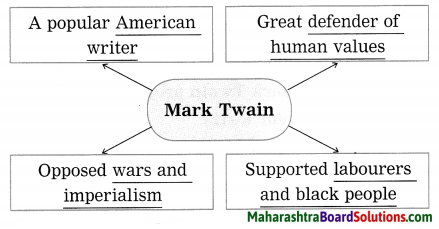
Mark Twain was a popular American writer who was famous for his humorous stories, novels and other writings. Many anecdotes related to Mark Twain are told and enjoyed even today. He was a great defender of human values like liberty, equality and fraternity.

Maharashtra Board Class 9 My English Coursebook Solutions Chapter 2.3 Mark Twain

Question 2.
Complete the following web describing Mark Twain:
(Answers are directly given.)
Answer:
Maharashtra Board Class 9 My English Coursebook Solutions Chapter 2.3 Mark Twain 4

Question 3.
Complete the following:
(Answers are directly given.) The two social activities that Mark Twain supported:
1. Being a great defender of human values like liberty, equality and fraternity, Mark Twain opposed wars and imperialism.
2. He also supported the cause of labourers and of the black people in his country.

Maharashtra Board Class 9 My English Coursebook Solutions Chapter 2.3 Mark Twain

Question 4.
Was Twain particular about what words he used?
Answer:
Yes, Twain was very much particular about what words he used.

Question 5.
Why was Henry Irving asking Mark Twain the same question again and again?
Answer:
While telling a humorous story to Mark Twain, Henry Irving noticed his friend’s face. He noticed some unknown gestures on his face. Thinking, he might have heard the story, Henry was reassuring whether Mark Twain had heard the story or not so to make it sure he was asking the same question again and again.

Question 6.
What did Mark Twain propose? What was his plan at the year 6-12?
Answer:
Mark Twain proposed a plan for the improvement of English Spelling. At the year 6-12 his plan was modifying vowels and the remaining voiced and unvoiced consonants.

Maharashtra Board Class 9 My English Coursebook Solutions Chapter 2.3 Mark Twain

Question 7.
How did Twain explain the spider in the paper? What did he want to highlight?
Answer:
1. Twain explained that the spider was on the paper to see which merchant was not advertising, so that he could go to that store spin his web across the door and lead a life of undisturbed peace afterwards.
2. He wanted to highlight that there was no logical reason behind superstitions as the spider just happened to be there on the newspaper by chance. He also wanted to highlight that we should not believe in superstitions.

Question 8.
Which episode shows that Mark Twain did not believe in superstitions?
Answer:
A letter was received by Mark Twain from a reader asking him whether finding a spider in his j paper portended good or bad luck. His reply to the reader shows that he did not believe in superstitions, whereas we should take such situations humorously.

Activities based on vocabulary:

Question 1.
Find out similar meaning words (synonyms) for the following from the passage :
(Answers are directly given.)
Answer:

  1. freedom – liberty
  2. protector – defender
  3. brotherhood – fraternity
  4. considered – regarded

Maharashtra Board Class 9 My English Coursebook Solutions Chapter 2.3 Mark Twain

Question 2.
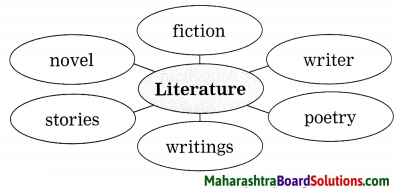
Complete the following word-web with the words related to literature:
(Answers are directly given.)
Answer:
Maharashtra Board Class 9 My English Coursebook Solutions Chapter 2.3 Mark Twain 5

Question 3.
Find out any four wrongly spelled words and correct them:
Answer:

  1. Iear – Year
  2. konsonant – consonant
  3. fainali – finally
  4. lojikl – logical

Question 4.
Find out from the passage the words used for the following words:
Answer:

  1. world – werld
  2. replace – riplais
  3. respectively – respective
  4. modifying – modifaiing

Maharashtra Board Class 9 My English Coursebook Solutions Chapter 2.3 Mark Twain

Question 5.
Classify the following words in the given table:
reader, remind, wonder, spider, merchant, return, declare, comet.
Answer:

NounsVerbs
reader, spider, merchant, comet.remind, wonder, return, declare.

Activities based on contextual grammar:

Question 1.
Change the following sentences in indirect speech:
1. “You have chosen a good time to come,” the barber said to Mark Twain.
2. The barber said to Mark Twain, “Have you bought your ticket?”
Answer:
1. The barber told Mark Twain that he had chosen a good time to come.
2. The barber asked Mark Twain if he had bought his ticket.

Maharashtra Board Class 9 My English Coursebook Solutions Chapter 2.3 Mark Twain

Question 2.
Use ‘not only’ …. ‘but also’ and rewrite the sentences:
1. Many anecdotes related to Mark Twain are told and enjoyed even today.
2. Mark Twain opposed wars and imperialism.
Answer:
1. Many anecdotes related to Mark Twain are not only told but also enjoyed even today.
2. Mark Twain opposed not only wars but also imperialism.

Identify the mistakes in the following ( sentences and write the correct sentences:

Question 1.
Jenerally, then, the improvement would kontinue iear bai iear.
Answer:
Generally, then, the improvement would continue year by year.

Question 2.
it wud fainali bi possible to meik ius ov thi ( ridandant letez.
Answer:
It would finally be possible to make use of the redundant letters.

Maharashtra Board Class 9 My English Coursebook Solutions Chapter 2.3 Mark Twain

Identify the tense:

Question 1.
1. Henry Irving was telling a humorous story.
2. Mark Twain proposed a plan for the improvement of English Spelling
Answer:
1. Past Continuous Tense.
2. Simple Past Tense.

Make the sentences affirmative:

Question 1.
1. A man cannot be comfortable without his own approval.
2. Don’t be careless about reading health books.
Answer:
1. A man is (can be) uncomfortable without his own approval.
2. Be careful about reading health books.

Frame a wh-question to get the underlined part as an answer in each sentences:

Question 1.
Mark Twain received a letter from a reader.
Answer:
What did Mark Twain receive from a reader?

Maharashtra Board Class 9 My English Coursebook Solutions Chapter 2.3 Mark Twain

Question 2.
Mark Twain’s birth was heralded by the return of Halley’s comet.
Answer:
What was heralded by the return of Halley’s comet?

Personal Response:

Question 1.
What is the importance of humour in our life?
Answer:
Humour is the most effective and important ingredient, to spice up the dish of life. It is enjoyed by all irrespective of age, caste, gender, whatever. It is one thing which can bind us all and generate a positive and happy environment. Even the most difficult situations can be handled with ease, if we are armed with humorous mind and disposition.

Question 2.
What do you know about Mark Twain?
Answer:
Mark Twain, was an American writer, humorist, publisher and lecturer. He was born on 30th November, 1835 in Florida (U.S.). Twain earned a great deal of money from his humorous writings and lectures. He was lauded as the greatest American humorist of his age. The Adventures of Tom Sawyer and The Adventures of Huckleberry Finn were his two major classics of American literature.

Question 3.
Why should we avoid spelling mistakes while writing?
Answer:
Correct spelling improves the overall presentation of our work and helps with our confidence in writing. Incorrect spelling can be both embarrassing and damaging. It changes the meaning of the sentences. It also leaves a bad impression of the writer on the readers’ mind.

Maharashtra Board Class 9 My English Coursebook Solutions Chapter 2.3 Mark Twain

Question 4.
How can you improve English spellings?
Answer:
We can improve our English spellings in the following ways:

  1. By learning a few rules of forming words.
  2. By learning commonly misspelled words.
  3. By checking word origins in the dictionary.
  4. By separating words into chunks.
  5. By using the words in its context.
  6. By playing word games/solving puzzles.

Question 5.
Why should we take part in humorous sessions?
Answer:
Jokes can make people laugh and this impacts the blood circulation. Humorous sessions are often considered as good time for individuals with heart and other cardiovascular problems. It indirectly improves immune system by increasing infection-fighting antibodies. It reduces pains and takes us out from our problems.

Activities Based on Language study

Do as directed:

Question 1.
Complete the words by using correct letters:

  1. t o _ a y
  2. s _ a v e
  3. a _ a i n
  4. p _ i c e

Answer:

  1. t o d a y
  2. s h a v e
  3. a g a i n
  4. p r i c e.

Maharashtra Board Class 9 My English Coursebook Solutions Chapter 2.3 Mark Twain

Question 2.
Copy the following sentences correctly:
Answer:
1. “Have you bought your ticket yet?”
2. “You’ve chosen a good time to come,” he declared.

Question 3.
Put the following words In alphabetical order:
1. reader, spider, merchant, honour.
2. careless, classic, curiosity, cosmically.
Answer:
1. honour, merchant, reader, spider.
2. careless, classic, cosmically, curiosity.

Question 4.
Punctuate the following sentences:
1. are you quite sure you havent heard this he demanded suspiciously.
2. i not only heard the story invented it said mark twain.
Answer:
1. “Are you quite sure you haven’t heard this?” he demanded suspiciously.
2. “1 not only heard the story, I invented It!” said Mark Twain.

Question 5.
Write four small words (minimum 3 letters each) using the letters in the given word:
‘generalizations’
Answer:

  1. general
  2. gents
  3. ration
  4. lion.

Maharashtra Board Class 9 My English Coursebook Solutions Chapter 2.3 Mark Twain

Question 6.
Spot the error and rewrite the correct sentences:
1. A man does not be comfortable without his own approval.
2. Mark Twain will oppose wars and imperialism and supported the cause of labourers.
Answer:
1. A man cannot be comfortable without his own approval.
2. Mark Twain opposed wars and imperialism and supported the cause of labourers.

Question 7.
Write related words as shown in the example:
(Answers are directly given.)
Answer:
Maharashtra Board Class 9 My English Coursebook Solutions Chapter 2.3 Mark Twain 6

Question 8.
Complete the following word-chain of verbs. Add four words, each beginning with the last letter of the previous word:
find → ……………… → ……………. → …………….. → ……………… .
Answer:
find → drinkkeepplayyell.

Do as directed:

Question 1.
Make your own meaningful sentence by using the phrase ‘to wait for’.
Answer:
We should always wait for the right opportunity.

Maharashtra Board Class 9 My English Coursebook Solutions Chapter 2.3 Mark Twain

Question 2.
Add a prefix or suffix to make new words and use one of the root words in your own sentence:
1. advantage
2. agree.
Answer:
1. disadvantage
2. disagree.
Sentence: There are many advantages of reading good books.

Question 3.
Add a clause to expand the sentence meaningfully:
I bought a new mobile …………………. .
Answer:
I bought a new mobile which is not at all useful for me.

Activities:

Question 1.
Can you think of other examples of irregularities in English spelling?
(Few examples are given here. Students may think and write other examples.)
Answer:

  • Name – Nikki, Nicky, Toni & Tony
  • – centre, center
  • – weight, height
  • – headache, know

Maharashtra Board Class 9 My English Coursebook Solutions Chapter 2.3 Mark Twain

Question 2.
Write a few sentences according to the improvements suggested for each year:
Answer:

YearSentencesSuggested improvements
1I never drink cool water.I never drink kool water.
2She baked one cake.She baked won kake.
3He replied angrily.He replied angrili.
5Finally, she stopped overeating.Finali she stoped overeeting.
6 to 12It would be nice to eat peanuts.It wud bi naise tu eet peenats.
15the shop was shut.Xe yop was yut.
20This has to change soon.Xis has tu ccej sun.

Maharashtra Board Class 7 History Solutions Chapter 9 The Maratha War of Independence

Balbharti Maharashtra State Board Class 7 History Solutions Chapter 9 The Maratha War of Independence Notes, Textbook Exercise Important Questions and Answers.

Maharashtra State Board Class 7 History Solutions Chapter 9 The Maratha War of Independence

Class 7 History Chapter 9 The Maratha War of Independence Textbook Questions and Answers

1. Choose the correct option:

The Maratha War Of Independence Class 7 Question 1.
Aurangzeb was annoyed by his bravery.
(a) Shahajada Akbar
(b) Chhatrapati Shivaji Maharaj
(c) Chhatrapati Rajaram Maharaj
Answer:
(b) Chhatrapati Shivaji Maharaj

Maharashtra Board Class 7 History Solutions Chapter 9 The Maratha War of Independence

The Maratha War Of Independence Question Answer Question 2.
These decamped with the golden pinnacle from the Emperor’s tent.
(a) Santaji and Dhanaji
(b) Santaji Ghorpade and Vithoji Chavan
(c) Khando Ballal and Rupaji Bhosale
Answer:
(b) Santaji Ghorpade and Vithoji Chavan

Std 7 History Chapter 9 The Maratha War Of Independence Question 3.
He fought very bravely in the Goa battle.
(a) Yesaji Kank
(b) Nemaji Shinde
(c) Pralhad Niraji
Answer:
(a) Yesaji Kank

2. Find in the text in the lesson and write answers:

Class 7 History Chapter 9 The Maratha War Of Independence Question 1.
Why did Sambhaji Maharaj return halfway from the Janjira campaign? ‘
Answer:
(a) Sambhaji Maharaj started a campaign against the Siddi of Janjira in 1682 CE.
(b) The Marathas laid siege to Siddi’s Dandarajpuri and battered the fort of Janjira with the artillery.
(c) But on the other hand, the Mughal army invaded Swaraj. Hence Sambhaji Maharaj returned halfway from the Janjira campaign to protect/defend his kingdom.

Maharashtra Board Class 7 History Solutions Chapter 9 The Maratha War of Independence

9 The Maratha War Of Independence Question 2.
Why did Sambhaji Maharaj decide to teach a lesson to the Portuguese?
Answer:
The Portuguese of Goa joined hands with the Emperor against Sambhaji Maharaj so ) the Maharaj decided to teach a lesson to the Portuguese.

The Maratha War Of Independence Question 3.
While going to Jinji, Rajaram Maharaj left the responsibility of protecting Swaraj to whom?
Answer:
While going to Jinji, Rajaram Maharaj had assigned the duty to protect Swaraj to Ramchandrapant, Amatya, Shankaraji, Narayan Sachiv, Santaji Ghorpade and Dhanaji Jadhav.

9 The Maratha War Of Independence Class 7 Question 4.
Devdatta has described Maharani Tarabai’s Valour in which words?
Answer:
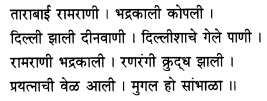
Devdatta has described Maharani Tarabai’s valour in his Marathi poem:

Maharashtra Board Class 7 History Solutions Chapter 9 The Maratha War of Independence 3

3. Give reasons:

Question 1.
Aurangzeb turned his aim towards Adilshahi and Qutubshahi Kingdom.
Answer:
(a) Aurangzeb was not able to succeed his campaign against the Marathas.
(b) Therefore he suspended the campaign and turned his aim towards Adilshahi and Kutubshahi states.

Question 2.
After the death of Sambhaji Maharaj, the Marathas intensified their war with the Mughals.
Answer:
(a) Sambhaji Maharaj was brutally put to death by Aurangzeb.
(b) The Marathas took inspiration from his sacrifice and intensified their fight against the Mughals.

Question 3.
It was decided that the Raigad fort should be fought under the leadership of Maharani Yesubai.
Answer:
(a) Zulfikarkhan put Raigad under siege.
(b) Rajaram Maharaj and his wife Maharani Tarabai, Sambhaji Maharaj’s wife, Maharani Yesubai and his son Shahu were in Raigad.
(c) It was very risky for all members of the royal family to stay at one place.
(d) It was decided that Rajaram should escape from Raigad and the fight to defend Raigad would continue under the leadership of Maharani Yesubai.

Activity:

Show Goa, Bijapur, Golconda, Jinji, Ahmadabad and Ahmednagar on a map of India.

Class 7 History Chapter 9 The Maratha War of Independence Additional Important Questions and Answers

Choose the correct option:

Question 1.
Akbar sought shelter with –
(a) Sambhaji Maharaj
(b) Mukarrab Khan
(c) Rajaram Maharaj
Answer:
Sambhaji Maharaj

Maharashtra Board Class 7 History Solutions Chapter 9 The Maratha War of Independence

Question 2.
Aurangzeb died in 1707 at –
(a) Kolhapur
(b) Janjira
(c) Ahmadnagar
Answer:
Ahmadnagar

Arrange the events chronologically:

  • Aurangzeb died at Ahmadnagar.
  • Sambhaji Maharaj was put to death.
  • Rajaram Maharaj escaped from Raigad fort.
  • Aurangzeb descended to the South.
  • Maharani Yesubai and Shahu put under arrest.

Answer:

  • Aurangzeb descended to the South.
  • Sambhaji Maharaj was put to death.
  • Rajaram Maharaj escaped from Raigad fort.
  • Maharani Yesubai and Shahu put under arrest.
  • Aurangzeb died at Ahmadnagar.

Write the meaning of:

Question 1.
Artillery
Answer:
The army unit that uses big guns with big barrels.

Question 2.
Killedar / Kiledar
Answer:
In charge of the fort.

Question 3.
Guerilla tactics
Answer:
The use of surprise raids hit and run by the army and repetitive attacks on the enemy.

Find from the text and write the answers:

Question 1.
Who took away the golden pinnacle from the Emperor’s own tent?
Answer:
(a) Santaji Ghorpade
(b) Vithoji Chavan

Maharashtra Board Class 7 History Solutions Chapter 9 The Maratha War of Independence

Question 2.
Name the faithful Sardars of Raj aram Maharaj who joined him in the Jinji campaign.
Answer:
(a) Pralhad Niraji
(b) Khando Ballal
(c) Rupaji Bhosale.

Question 3.
What was Tarabai’s warfare method called?
Answer:
Tarabai’s warfare method was called ‘Safe deposit locker system’.

Question 4.
How did Aurangzeb entice many Maratha Sardars on his side?
Answer:
Aurangzeb enticed many Maratha Sardars on his side by giving them watans and jagirs.

Question 5.
Why was it decided that Rajaram Maharaj should escape from Raigad and go to Jinji?
Answer:
(a) The Jinji fort was far off in the south and was invincible.
(b) It was not an easy task for the Mughals to capture this fort.
Hence Rajaram escaped from Raigad and went to Jinji.

Question 6.
How does Khafikhan describe Maharani Tarabai?
Answer:
Khafikhan described Maharani Tarabai in the following words “She is intelligent and wise. She became very famous for her management of army and administration even during the rule of her husband”.

Question 7.
When was the sign of the tilting of the balance to the other end seen?
Answer:
It was when trusted Sardars like Krishnaji Sawant, Khanderao Dabhada, Dhanaji Jadhav and Nemaji Shinde started the battles on various fronts against the Mughals outside Maharashtra which gave a sign of the tilting of the balance to the other end.

Maharashtra Board Class 7 History Solutions Chapter 9 The Maratha War of Independence

Find out and write:

Question 1.
They were in the forefront to invade Mughal territories.
Answer:
Santaji and Dhanaji

Question 2.
He died in March 1700.
Answer:
Rajaram Maharaj

Question 3.
He rebelled against his father and sought shelter with Sambhaji Maharaj.
Answer:
Prince Akbar

Question 4.
The Incharge of the Kolhapur province.
Answer:
Mukarrabkhan

Question 5.
The Great Maratha soldier of whom the Mughal soldiers were scared of.
Answer:
Dhanaji

Question 6.
The Historian Riyasatkar G.S. Sardesai described Rajaram Maharaj as.
Answer:
‘Sthirbuddhi’ (Level Headed)

Maharashtra Board Class 7 History Solutions Chapter 9 The Maratha War of Independence

Give reasons:

Question 1.
Sambhaji Maharaj had to abandon the Janjira campaign and turn back.
Answer:

  • Sambhaji Maharaj started a campaign against Siddi in 1682 CE.
  • His army laid a siege to Dandarajpuri fort and battered the fort of Janjira with the artillery.
  • But at the same time, the Mughal army invaded Swaraj.
  • Sambhaji Maharaj had to abandon the Janjira campaign and turn back.

Question 2.
Noted historian Riyasatkar G.S. Sardesai has described Rajaram Maharaj by using the adjective ‘Sthirbuddhi’. (Level Headed)
Answer:

  • Rajaram Maharaj was thoughtful and kind- hearted.
  • He brought together all the capable people in the Maratha empire.
  • He united them and thus created a new enthusiasm amongst them.
  • After the death of Sambhaji Maharaj, he fought against Aurangzeb for 11 years with great courage and tenacity.
  • Rajaram Maharaj’s greatest achievement is that he protected Swaraj in those extremely difficult times.

Question 3.
The Eighteenth century is known as the Maratha Century.
Answer:

  • After the death of Aurangzeb, not only did the Marathas filled the vacuum in the political arena, but also lead the political affairs.
  • They ruled over Delhi’s throne and almost all parts of Hindustan and also protected it.
  • Due to sequence of events, the 18th century is known as the ‘Maratha Century’.

Maharashtra Board Class 7 History Solutions Chapter 9 The Maratha War of Independence

Complete the following flow chart:

The lineage of the Bhosale family.
Maharashtra Board Class 7 History Solutions Chapter 9 The Maratha War of Independence 2
Answer:
Maharashtra Board Class 7 History Solutions Chapter 9 The Maratha War of Independence 1

Maharashtra Board Class 10 Science Solutions Part 1 Chapter 1 Gravitation

Balbharti Maharashtra State Board Class 10 Science Solutions Part 1 Chapter 1 Gravitation Notes, Textbook Exercise Important Questions and Answers.

Maharashtra State Board Class 10 Science Solutions Part 1 Chapter 1 Gravitation

Class 10 Science Chapter 1 Gravitation Exercise Question 1.
Study the entries in the following table and rewrite them putting the connected items in a single row :

IIIIII
Massm/s2Zero at the centre of the earth
WeightkgMeasure of inertia
Acceleration due to gravityN.m2/kg2Same in the entire universe
Gravitational constantNDepends on height

Answer:

IIIIII
MasskgMeasure of inertia
WeightNDepends on height
Acceleration due to gravitym/s2Zero at the centre of the earth
Gravitational constantN.m2/kg2Same in the entire universe

Maharashtra Board Class 10 Science Solutions Part 1 Chapter 1 Gravitation

Gravitation Class 10 Maharashtra Board Question 2.
Answer the following questions.
(a) What is the difference between mass and weight of an object? Will the mass and weight of an object on the earth be the same as their values on Mars? Why?
Answer:
The mass of an object is the amount of matter present in it. It is same everywhere in the Universe and is never zero. It is a scalar quantity and its SI unit is kg. The weight of an object is the force with which the earth (or any other planet/ moon/star) attracts it. It is directed towards the centre of the earth. The weight of an object is different at different places on the earth. It is zero at the earth’s centre. It is a vector quantity and its SI unit is the newton (N). The magnitude of weight = mg.

The mass of an object will be the same on the earth and Mars, but the weight will not be the same because the value of g on Mars is different from that on the earth.

(b) what are (i) free fall, (ii) acceleration due to gravity (iii) escape velocity (iv) centripetal force?
Answer:
(i) Free fall:
Whenever an object moves under the influence of the force of gravity alone, it is said to be falling freely.

(ii) Acceleration due to gravity:
The acceleration produced in a body due to the gravitational force of the earth is called the acceleration due to gravity.
[Note: On the earth’s surface, the value of the acceleration due to gravity is almost uniform. If a body falls from a low altitude, the value of the acceleration due to gravity is almost the same.]

(iii) Escape velocity:
When a body is thrown vertically upward from the surface of the earth, the minimum initial velocity of the body for which the body is able to overcome the downward pull by the earth and can escape the earth forever is called the escape velocity.

(iv) Centripetal force:
In uniform circular motion of a body, the force acting on the body is directed towards the centre of the circle. This force is called centripetal force.

(c) Write the three laws given by Kepler. How did they help Newton to arrive at the inverse square law of gravity?
Kepler’s first law :
The orbit of a planet is an ellipse with the Sun at one of the foci.
Maharashtra Board Class 10 Science Solutions Part 1 Chapter 1 Gravitation 1
Figure 1.5 shows the elliptical orbit of a planet revolving around the Sun (S).

Kepler’s second law :
The line joining the planet and the Sun sweeps equal areas in equal intervals of time.
A → B, C → D and E → F are the displacements of the planet in equal intervals of time.
The straight lines AS, CS and ES sweep equal areas in equal intervals of time.
Area ASB = area CSD = area ESF.

Kepler’s third law :
The square of the period of revolution of a planet around the Sun is directly proportional to the cube of the mean distance of the planet from the Sun.
Thus, if r is the average distance of the planet from the Sun and T is its period of revolution, then,
T2 ∝ r2, i.e., \(\frac{T^{2}}{r^{3}}\) = constant = K

For simplicity, we shall assume the orbit to be a circle.
Maharashtra Board Class 10 Science Solutions Part 1 Chapter 1 Gravitation 2
In Fig. 1.6,
S denotes the position of the Sun, P denotes the position of a planet at a given instant and r denotes the radius of the orbit (= the distance of the planet from the Sun). Here, the speed of the planet is uniform.
Maharashtra Board Class 10 Science Solutions Part 1 Chapter 1 Gravitation 3
If m is the mass of the planet, the centripetal force exerted on the planet by the Sun (= gravitational force),
Maharashtra Board Class 10 Science Solutions Part 1 Chapter 1 Gravitation 4
According to Kepler’s third law,
Maharashtra Board Class 10 Science Solutions Part 1 Chapter 1 Gravitation 5
Thus, F ∝ \(\frac{1}{r^{2}}\) as \(\frac{4 \pi^{2} m}{K}\) is constant in a particular case.

(d) A stone thrown vertically upwards with initial velocity u reaches a height ‘h’ before coming down. Show that the time taken to go up is same as the time taken to come down.
Answer:
Maharashtra Board Class 10 Science Solutions Part 1 Chapter 1 Gravitation 6
We have, v = u + at …..(1)
and s = ut + \(\frac{1}{2}\) at2 …..(2)
∴ s = (v – at) t + \(\frac{1}{2}\) at2
= vt – at2 + \(\frac{1}{2}\) at2
∴ s = vt – \(\frac{1}{2}\) at2 …..(3)
As the stone moves upward from A → B,
s = AB = h, t = t1,
a = -g (retardation),
u = u and v = 0
∴ From Eq. (3), h = 0 – \(\frac{1}{2}\) (-g)t12
∴ h = \(\frac{1}{2}\)gt12 …..(4)
As the stone moves downward from B → A,
t = t2, u = 0, s = h and a = g
∴ from Eq. (2), h = \(\frac{1}{2}\) gt2 …..(5)
From Eqs. (4) and (5), t12 = t22
∴ t1 = t2 (∵ t1 and t2 are positive)

(e) If the value of g suddenly becomes twice its value, it will become two times more difficult to pull a heavy object along the floor. Why?
Answer:
To pull an object along the floor, it is necessary to do work against the force of friction between the object and the surface of the floor. This force of friction is proportional to the weight, mg, of the object. If the value of g becomes twice its value, the weight of the object and hence the force of friction will become double. Therefore, it will become two times more difficult to pull a heavy object along the floor.

10th Gravitation Chapter Exercise Question 3.
Explain why the value of g is zero at the centre of the earth.
The value of g changes while going deep inside the earth. It goes on decreasing as we go from the earth’s surface towards the earth’s centre.

We shall treat the earth as a sphere of uniform density. If we consider a particle of mass m at point P at a distance (R – d) from the earth’s centre, where R is the radius of the earth and d is the depth below the earth’s surface, the gravitational force on the particle due to the earth is
Maharashtra Board Class 10 Science Solutions Part 1 Chapter 1 Gravitation 7
F = \(\frac{G m M^{\prime}}{(R-d)^{2}}\), where ‘M’ is the mass of the sphere of radius (R – d).
Maharashtra Board Class 10 Science Solutions Part 1 Chapter 1 Gravitation 8
because the outer spherical shell is not effective (Fig. 1.10). In this case, the acceleration due to gravity is
Maharashtra Board Class 10 Science Solutions Part 1 Chapter 1 Gravitation 9
where M is the mass of the earth. Thus, g decreases as d increases. It is less than that at the earth’s surface (\(\frac{G M}{R^{2}}\)) At the earth’s centre, d = R
∴ g = 0.

[Note : The formulae given in the answer are not given in the textbook. The formula density = \(\frac{\text { mass }}{\text { volume }}\) is used to find M’.]

Maharashtra Board Class 10 Science Solutions Part 1 Chapter 1 Gravitation

Std 10 Science Chapter 1 Gravitation Question Answer Question 4.
Let the period of revolution of a planet at a distance R from a star be T. Prove that if it was at a distance of 2R from the star, its period of revolution will be \(\sqrt{8} T\).
Answer:
T= \(\frac{2 \pi}{\sqrt{G M}} \quad r^{3 / 2}\), where T = period of revolution of a planet around the Sun, M = mass of the Sun, G = gravitational constant and r = radius of the orbit assumed to be circular = distance of the planet from the Sun.
For r = R, T =T1.
Maharashtra Board Class 10 Science Solutions Part 1 Chapter 1 Gravitation 10

Class 10 Science 1 Chapter 1 Gravitation Question 5.
Solve the following examples.
(a) An object takes 5 s to reach the ground from a height of 5 m on a planet. What is the value of g on the planet?
Solution:
Data: u = 0 m/s, s = 5m, t = 5s, g = ?
Maharashtra Board Class 10 Science Solutions Part 1 Chapter 1 Gravitation 11

(b) The radius of planet A is half the radius of planet B. If the mass of A is MA, what must be the mass of B so that the value of g on B is half that of its value on A?  (Practice Activity Sheet – 4)
Solution:
Data : RA = RB/2, gB = \(\frac{1}{2}\) gA, MB = ?
Maharashtra Board Class 10 Science Solutions Part 1 Chapter 1 Gravitation 12

(c) The mass and weight of an object on the earth are 5 kg and 49 N respectively. What will be their values on the moon? Assume that the acceleration due to gravity on the moon is l/6th of that on the earth.
Solution:
Data: m = 5 kg, W = 49 N,
gM = \(\frac{g_{E}}{6}\),m (on the moon) = ?, W(on the moon) = ?
(i) The mass of the object on the moon = the mass of the object on the earth = 5 kg
(ii) W = mg
Maharashtra Board Class 10 Science Solutions Part 1 Chapter 1 Gravitation 13
(weight of the object on the moon).

(d) An object thrown vertically upwards reaches a height of 500 m. what was its initial velocity? How long will the object take to come back to the earth? Assume g = 10 m/s2
Solution:
100 mn/s and 20 s

(e) A ball falls off a table and reaches the ground in 1 s. Assuming g = 10 m/s2, calculate its speed on reaching the ground and the height of the table.
Solution:
Data: t = 1s, g = 10 m/s2, u = 0 m/s,
s = ?, v = ?
(i) s = ut + \(\frac{1}{2}\)gt2
= \(\frac{1}{2}\)gt2 for u = 0 m/s
∴ s = \(\frac{1}{2}\) × 10 m/s2 × (1s)2
=5 m
∴ The height of the table = 5 m.

(ii) v = u +at = u + gt
= 0 m/s + 10 m/s2 × 1 s
= 10m/s
∴ The velocity of the ball on reaching the ground = 10 m/s.

(f) The masses of the earth and moon are 6 × 1024 kg and 7.4 × 10²² kg, respectively. The distance between them is 3.84 × 10⁵ km. Calculate the gravitational force of attraction between the two. Use G = 6.7 × 10⁻¹¹ N.m2 kg-2.
Solution:
Data : m1 = 6 × 1024 kg,
m2 = 7.4 × 10²² kg,
r = 3.84 × 10⁵ km = 3.84 × 10⁸ m,
G = 6.7 × 10⁻¹¹ N.m2 kg-2, F = ?
Maharashtra Board Class 10 Science Solutions Part 1 Chapter 1 Gravitation 14
This is (the magnitude of) the gravitational force between the earth and the moon.

(g) The mass of the earth is 6 × 1024 kg. The distance between the earth and the Sun is 1.5 × 10¹¹ m. If the gravitational force between the two is 3.5 × 10²² N, what is the mass of the Sun? (Use G = 6.7 × 10⁻¹¹ N.m2 kg-2)
Solution:
Data : m1 = 6 × 1024 kg,
r = 1.5 × 10¹¹ m, F = 3.5 × 10²² N,
G = 6.7 × 10⁻¹¹ N.m2kg-2, m2 = ?
Maharashtra Board Class 10 Science Solutions Part 1 Chapter 1 Gravitation 15
= 1.96 × 1030 kg (mass of the sun)

Gravitation Class 10 Exercise Answers Project:
Take weights of five of your friends. Find out what their weights will be on the moon and the Mars.
Answer:
Help: The weight of a body
(i) On the earth. W1 = mg1
(ii) on the moon, W2 = mg2
(iii) on Mars, W3 = mg3
∴ W2 = W1 × \(\frac{g_{2}}{g_{1}}\) and W3 = W1 × \(\frac{g_{3}}{g_{1}}\)
Now, g1 = 9.81 m/s2, g2 = 1.67 m/s2 and g3 = 3.72 m/s2
If W1 = 500 N,
W2 = 500 × \(\frac{1.67}{9.81}\)N = 85.12N(approx.)
and W3 = 500 × \(\frac{3.72}{9.81}\)N = 189.6 N (approx.)

Can you recall? (Text Book Page No. 1)

10th Class Science Part 1 Chapter 1 Gravitation Exercise Question 1.
What are the effects of a force acting on an object? (Note: a body ≡ an object)
Answer:

  • A force can set a body in motion. For example, if a ball at rest on the floor is pushed, it rolls on the floor.
  • A force can stop a moving body. For example, a moving bicycle can be brought to rest by application of brakes.
  • A force acting on a body can change the speed of the body. For example, when brakes are applied to a moving bicycle, its speed decreases due to the friction between the brake shoes and the rim of the tire.
  • A force can change the direction of motion of the body. For example, in a uniform circular motion of a body, the direction of motion of the body keeps on changing due to the applied force.
  • A force can change the speed as well as the direction of motion of the body. For example, when a ball bowled by a bowler is hit by a batsman, there occurs a*change in the speed as well as the direction of motion of the ball.
  • A force can change the shape and size of the body on which it acts. For example, when a rubber ball is pressed, it gets deformed and hence no longer remains spherical. Also, there can be a decrease in its volume.

1 Gravitation Exercise Question 2.
What types of forces are you familiar with?
Answer:
The gravitational force between the earth and the moon, the electromagnetic force between two charged particles in motion, the nuclear force between a proton and a neutron in the nucleus of an atom.

Gravitation 10th Class Exercise Question 3.
What do you know about the gravitational force?
Answer:
The gravitational force is a universal force, i.e., it acts between any two objects in the universe.

Maharashtra Board Class 10 Science Solutions Part 1 Chapter 1 Gravitation

Can you recall? (Text Book Page No. 1)

Science Part 1 Gravitation Exercise Question 1.
What are Newton’s laws of motion?
Answer:
(1) Newton’s first law of motion: An object continues to remain at rest or in a state of uniform motion along a straight line unless an external unbalanced force acts on it.

(2) Newton’s second law of motion: The rate of change of momentum is proportional to the applied force and the change of momentum occurs in the direction of the force.

(3) Newton’s third law of motion: Every action force has an equal and opposite reaction force that acts simultaneously.
[Note: Equal in magnitude and opposite in direction.]

Use your brainpower! (Text Book Page No. 4)

10th Science Part 1 Gravitation Exercise Question 1.
If area ESF in figure 1.5 is equal to area ASB, what will you infer about EF?
Answer:
The time taken by the planet to move from E to F equals the time taken by the planet to move from A to B.

Use your brainpower (Text Book Page No. 7)

Gravitation Exercise 10th Class Question 1.
According to Newton’s law of gravitation, every object attracts every other object.
Thus, if the earth attracts an apple towards itself, the apple also attracts the earth towards itself with the same force. Why then does the apple fall towards the earth, but the earth does not move towards the apple?
Answer:
The earth and the apple move towards each other, but the magnitude of the displacement of the earth is negligible relative to that of the apple. Also the observer is located on the earth.
[Note: The mass of the earth is far greater than that of an apple. Hence, the magnitude of the acceleration of the earth is negligible relative to that of the apple.]

Gravitation Class 10 Question And Answer Question 2.
The gravitational force due to the earth also acts on the moon because of which it revolves around the earth. Similar situation exists for the artificial satellites orbiting the earth. The moon and the artificial satellites orbit the earth. The earth attracts them towards itself but unlike the falling apple, they do not fall on the earth, why?
Answer:
This is because of the velocity of the moon and the satellites along their orbits. If this velocity was not there, they would have fallen on the earth.

Think about it (Text Book Page No. 8)

Std 10 Science Chapter 1 Gravitation Exercise Question 1.
What would happen if there were no gravity?
Answer:
There would be no gravitational attraction between any two particles and hence no formation of the solar system, galaxy, etc.

Science 1 Gravitation Question 2.
What would happen if the value of G was twice as large?
Answer:
The gravitational force between any two particles would become double, also the value of g would become double.

Maharashtra Board Class 10 Science Solutions Part 1 Chapter 1 Gravitation

Can you tell? (Text Book Page No. 8)

Gravitation Class 10 Exercise Question 1.
What would be the value of g on the surface of the earth if its mass was twice as large and its radius half of what it is now? (March 2019)
Answer:
Maharashtra Board Class 10 Science Solutions Part 1 Chapter 1 Gravitation 16
∴ g2 = 8g1
Thus, the value of g on the surface of the earth would be eight times the present value.

Think about it (Text Book Page No. 9)

Std 10 Science Chapter 1 Gravitation Answers Question 1.
Will the direction of the gravitational force change as we go inside the earth?
Answer:
No.

Gravitation Class 11 Exercise Solutions State Board Question 2.
What will be the value of g at the centre of the earth?
Answer:
Zero.

Use your brain power! (Text Book Page No. 10)

10th Ssc Science Chapter 1 Gravitation Question 1.
Will your weight remain constant as you go above the surface of the earth?
Answer:
No. As we go above the surface of the earth, our weight will go on decreasing.

Class 10 Science Chapter 1 Gravitation Question 2.
Suppose you are standing on a tall ladder. If your distance from the centre of the earth is 2R, what will be your weight?
Answer:
Maharashtra Board Class 10 Science Solutions Part 1 Chapter 1 Gravitation 17
= \(\frac{1}{4}\left(\frac{G M m}{R^{2}}\right)\)
Maharashtra Board Class 10 Science Solutions Part 1 Chapter 1 Gravitation 18

Use your brain power! (Text Book Page No. 12)

Gravitation Class 11 Maharashtra Board Question 1.
According to Newton’s law of gravitation, the earth’s gravitational force is higher on an object of larger mass. Why doesn’t that object fall down with higher velocity as compared to an object with lower mass?
Answer:
F = ma and F = \(\frac{G M m}{r^{2}}\)
∴ Acceleration, a = \(\frac{G M}{r^{2}}\). This is independent of the mass (m) of the object. Hence, an object of larger mass and an object of lower mass fall down with the same velocity.

Use your brain power! (Text Book Page No. 6)

Question 1.
Assuming the acceleration in Example 2 above remains constant, how long will Mahendra take to move 1 cm towards Virat?
Answer:
Here, u = 0
Maharashtra Board Class 10 Science Solutions Part 1 Chapter 1 Gravitation 19
= 1935 s = 32 minutes 15 seconds.

Maharashtra Board Class 10 Science Solutions Part 1 Chapter 1 Gravitation

Fill in the blanks with appropriate words and write the completed sentences :

Question 1.
The ratio g(earth)/g(moon) is equal to……..
Answer:
The ratio g(earth)/g(moon) is equal to 6 (approximately)

Question 2.
The value of the acceleration due to gravity……..as we move from the equator to a pole.
Answer:
The value of the acceleration due to gravity increases as we move from the equator to a pole.

Question 3.
If the earth shrinks to half of its radius, its mass remaining the same, the weight of an object on the earth will become……..times.
Answer:
If the earth shrinks to half of its radius, its mass remaining the same, the weight of an object on the earth will become four times.

Question 4.
The SI unit of weight is the……..
Answer:
The SI unit of weight is the newton.

Question 5.
The CGS unit of weight is the……..
Answer:
The CGS unit of weight is the dyne

Question 6.
The weight of a body is ……..at the poles.
Answer:
The weight of a body is maximum at the poles.

Question 7.
Outside the earth, the weight of a body varies as……..
Answer:
Outside the earth, the weight of a body varies as 1/(R + h)2

Question 8.
Due to the …….. force, the earth attracts all objects towards it.
Answer:
Due to the gravitational force, the earth attracts all objects towards it. Gravitational

Question 9.
The acceleration due to gravity does not depend on the …….. of the body.
Answer:
The acceleration due to gravity does not depend on the mass of the body. Mass

Question 10.
According to Kepler’s first law, the orbit of a planet is …….. with the Sun at one of the……..
Answer:
According to Kepler’s first law, the orbit of a planet is an ellipse with the Sun at one of the foci

Question 11.
According to Kepler’s second law, the line joining the planet and the Sun …….. in equal intervals of time.
Answer:
According to Kepler’s second law, the line joining the planet and the Sun Sweeps equal areas in equal intervals of time.

Question 12.
According to Kepler’s third law T2 ∝ rn, where n = ……..
Answer:
According to Kepler’s third law T2 ∝ rn, where n = 3

Question 13.
For a freely falling object, we can write Newton’s second equation of motion as ……..
Answer:
For a freely falling object, we can write Newton’s second equation of motion as S = \(\frac{1}{2}\)gt2

Question 1.
(A) Write the proper answer in the square.  (Practice Activity Sheet – 1)
Maharashtra Board Class 10 Science Solutions Part 1 Chapter 1 Gravitation 20
If this F = x
Then F =
Answer:
F = \(\frac{x}{4}\)
Maharashtra Board Class 10 Science Solutions Part 1 Chapter 1 Gravitation 21

(B) Write the proper answer in the square.  (March 2019)
Maharashtra Board Class 10 Science Solutions Part 1 Chapter 1 Gravitation 22
If F = \(\frac{G m_{1} m_{2}}{d^{2}}\),
then F =
Answer:
F = \(\frac{G m_{1} m_{2}}{9 d^{2}}\)

Choose the correct alternative and rewrite the statements:

Question 1.
The gravitational force between two particles separated by a distance r varies as ……..
(a) \(\frac{1}{r}\)
(b) r
(c) r2
(d) \(\frac{1}{r^{2}}\)
Answer:
(d) \(\frac{1}{r^{2}}\)

Question 2.
In the usual notation, the acceleration due to gravity at a height h from the surface of the earth is ……..
Maharashtra Board Class 10 Science Solutions Part 1 Chapter 1 Gravitation 23
Answer:
(c) g = \(\frac{G M}{(R+h)^{2}}\)

Maharashtra Board Class 10 Science Solutions Part 1 Chapter 1 Gravitation

Question 3.
The SI unit of the universal constant of gravitation is ……..
(a) N.m2/kg2
(b) N.kg2/m2
(c) m/s2
(d) kg.m/s2
Answer:
(a) N.m2/kg2

Question 4.
The escape velocity of a body from the earth’s surface, vsec = …….
Maharashtra Board Class 10 Science Solutions Part 1 Chapter 1 Gravitation 24
Answer:
(c) \(\sqrt{\frac{2 G M}{R}}\)

Question 5.
How much will a person with 72 N weight on the earth, weigh on the moon?  (Practice Activity Sheet-1)
(a) 12 N
(b) 36 N
(c) 21 N
(d) 63 N
Answer:
(a) 12 N

Question 6.
What will be the weight of a person on the earth, who weighs 9N on the moon? (Practice Activity Sheet – 2)
(a) 3 N
(b) 15 N
(c) 45 N
(d) 54 N
Answer:
(d) 54 N

State whether the following statements are True or False :  (If a statement is false, correct it and rewrite it.)

Question 1.
If the separation between two particles is doubled, the gravitational force between the particles becomes half the initial force.
Answer:
False. (If the separation between two particles is doubled, the gravitational force between the particles becomes \(\frac{1}{4}\) times the initial force.)

Question 2.
The CGS unit of the universal constant or gravitation is the dyne cm2/gram2?
Answer:
True.

Question 3.
At the centre of the earth, the value of the acceleration due to gravity becomes zero.
Answer:
True.

Question 4.
The weight of a body is minimum at the poles.
Answer:
False. (The weight of a body is maximum at the poles.)

Question 5.
Mass is a vector quantity.
Answer:
False. (Mass is a scalar quantity.)

Question 6.
weight is a vector quantity.
Answer:
True.

Question 7.
g has maximum value at the equator.
Answer:
False. (g has maximum value at the poles.)

Question 8.
Outside the earth, g varies as 1/(R + h)2.
Answer:
True.

Question 9.
The value of G changes from place to place.
Answer:
False. (The value of G is the same throughout the universe.)

Question 10.
The value of g increases with altitude.
Answer:
False. (The value of g decreases with altitude.)

Question 11.
The escape velocity of a body does not depend on the mass of the body.
Answer:
True

Question 12.
The mass of a body is the amount of matter present in it.
Answer:
True

Maharashtra Board Class 10 Science Solutions Part 1 Chapter 1 Gravitation

Match the following :

Maharashtra Board Class 10 Science Solutions Part 1 Chapter 1 Gravitation 25
Answer:
(1) Escape velocity : \(\sqrt{\frac{2 G M}{R}}\)
(2) Gravitational acceleration : \(\frac{G M}{r^{2}}\) (r ≥ R)
(3) Gravitational potential energy : \(\frac{-G M m}{R+h}\)
(4) Gravitational force : \(\frac{G m_{1} m_{2}}{r^{2}}\)

Answer the following questions in one sentence each:

Question 1.
State the SI and CGS units of G.
Answer:
The SI unit of G is N.m2/kg2 and CGS unit is the dyne.cm2/g2.

Question 2.
State any one characteristic of gravitational force.
Answer:
Gravitational force between two particles does not depend on the nature of the medium between them.

Question 3.
Name the force that keeps a satellite in the orbit around the earth.
Answer:
The gravitational force due to the earth keeps a satellite in the orbit around the earth.

Question 4.
Name the force due to which the earth revolves around the Sun.
Answer:
The earth revolves around the Sun due to the gravitational force of attraction exerted on it by the Sun.

Question 5.
What is the acceleration due to gravity at a height h ( = radius of the earth) from the surface of the earth? (g = 9.8 m/s2)
Answer:
The acceleration due to gravity at a height h ( = radius of the earth) from the surface of the earth is 2.45 m/s2.
Maharashtra Board Class 10 Science Solutions Part 1 Chapter 1 Gravitation 26

Question 6.
What is the relation between the SI unit of weight and the CGS unit of weight?
Answer:
The relation between the SI unit of weight (the newton) and the CGS unit of weight (the dyne) is 1 newton = 105 dynes.

Question 7.
Write the formula for the centripetal force acting on a body performing circular motion.
Answer:
F = \(\frac{m v^{2}}{r}\)

Question 8.
Write the formula for the escape velocity of a body from the earth’s surface.
Answer:
Maharashtra Board Class 10 Science Solutions Part 1 Chapter 1 Gravitation 27

Question 9.
What is the value of the acceleration due to gravity at the centre of the earth?
Answer:
Zero.

Question 10.
What are the factors on which the maximum height attained by a body thrown upwards depends?
Answer:
The initial velocity of the body, the acceleration due to gravity at that place, the buoyant force and frictional force due to air.

Some of the important terms in chapter Gravitation are given in the following box. Find them :

Maharashtra Board Class 10 Science Solutions Part 1 Chapter 1 Gravitation 28
Answer:
(1) centripetal force
(2) escape velocity
(3) periodic time
(4) gravitational constant.

Answer the following questions:

Question 1.
What is centripetal force?
(OR)
Define centripetal force.
Answer:
In uniform circular motion of a body, the force acting on the body is directed towards the centre of the circle. This force is called centripetal force.

Question 2.
Give one example of centripetal force.
Answer:
The moon revolves around the earth due to the gravitational force exerted on it by the earth. This force is directed towards the centre of the earth and is thus a centripetal force.

Question 3.
Name the source responsible for the motion of a planet around the Sun.
Answer:
A planet revolves around the Sun due to the gravitational force exerted on it by the Sun.

Maharashtra Board Class 10 Science Solutions Part 1 Chapter 1 Gravitation

Answer the following questions:

Question 1.
In the following figure, an orbit of a planet around the Sun (S) has been shown. AB and CD are the distances covered by the planet in equal time. Lines AS ad CS sweep equal areas in equal intervals of time. Hence, areas ASB and CSD are equal.  (Practice Activity Sheet-1)
(a) Which laws do we understand from the above description?
(b) Write the law regarding the area swept.
(c) Write the law T2 ∝ r3 in your words.
Maharashtra Board Class 10 Science Solutions Part 1 Chapter 1 Gravitation 29
Answer:
(a) From the given description we understand Kepler’s three laws.
(b) Kepler’s law of areas: The line joining the planet and the Sun sweeps equal areas in equal intervals of time.
(c) Kepler’s law of periods: The square of the period of revolution of a planet around the Sun is directly proportional to the cube of the mean distance of the planet from the Sun.

Question 2.
Identify the law shown in Fig. 1.7 and state the three respective laws. (Practice Activity Sheet – 3)
Maharashtra Board Class 10 Science Solutions Part 1 Chapter 1 Gravitation 30
Answer:
(a) From the given description we understand Kepler’s three laws.
(b) Kepler’s law of areas: The line joining the planet and the Sun sweeps equal areas in equal intervals of time.
(c) Kepler’s law of periods: The square of the period of revolution or a planet around the Sun is directly proportional to the cube of the mean distance of the planet from the Sun.

Question 3.
Explain the term gravitational force. What is gravitation?
Answer:
There exists a force of attraction between any two particles of matter in the universe such that the force depends only on the masses of the particles and the separation between them. It is called the gravitational force and the mutual attraction is called gravitation.

Question 4.
State Newton’s universal law of gravitation. Express it in mathematical form.
Answer:
Newton’s universal law of gravitation :
Every object in the Universe attracts every other object with a definite force. This force is directly proportional to the product of the masses of the two objects and inversely proportional to the square of the distance between them.

Mathematical form: Consider two objects of masses m1 and m2. We assume that the objects are very small spheres of uniform density and the distance r between their centers is very large compared to the radii of the spheres (Fig. 1.8).
Maharashtra Board Class 10 Science Solutions Part 1 Chapter 1 Gravitation 31
The magnitude (F) of the gravitational force of attraction between the objects is directly proportional to m1m2 and inversely proportional to r2
∴ F ∝ \(\frac{m_{1} m_{2}}{r^{2}}\)
∴ F = \(G\frac{m_{1} m_{2}}{r^{2}}\)
where G is the constant of proportionality, called the universal gravitational constant.
[Note: In the textbook, the word object/body is used.
Newton’s law of gravitation applies to particles.]

Maharashtra Board Class 10 Science Solutions Part 1 Chapter 1 Gravitation

Question 5.
(i) Why is the constant of gravitation called a universal constant?
(ii) Newton’s law of gravitation is called the universal law of gravitation. Why?
Answer:
(i) The value of the constant of gravitation does not change with the nature, mass or the size of the material particles. It does not vary with the distance between the two particles. It is also independent of the nature of the medium between the two particles. Hence, it is called a universal constant.

(ii) As the law of gravitation given by Newton is applicable throughout the universe and to all particles, it is called universal law.

[ Note: The centre of mass of an object is the point inside or outside the object at which the total mass of the object can be assumed to be concentrated to study the effect of an applied force. The centre of mass of a spherical object having uniform density is at its geometrical centre. The centre of mass of an object having uniform density is at its centroid. If the two bodies are spherical and of uniform density, the gravitational force between them is always along the line joining the centres of the two bodies and the distance between the centres is taken to be r. When the bodies are not spherical or have irregular shape or have nonuniform density, the force is along the line joining their centres of mass and r is taken to be the distance between the two centres of mass.]

Question 6.
If the distance between two bodies is increased by a factor of 5, (i) by what factor will the gravitational force change if the masses are kept constant? (ii) by what factor will the mass of one of them have to be altered, keeping the other mass the same, to maintain the same gravitational force between the two bodies?
Answer:
If the distance between two bodies is increased by a factor of 5,
(i) the gravitational force between the bodies will decrease by a factor of 25 if the masses of the bodies are kept constant.
(ii) the mass of one of them will have to be increased by a factor of 25, keeping the mass of the other body the same, to maintain the same gravitational force between the two bodies.
[Note : Gravitational force F ∝ \(\frac{1}{r^{2}}\) and F ∝ m1m2.]

Question 7.
(i) Determine the SI unit of the universal constant of gravitation from the formula for the gravitational force between two particles. Hence, state the CGS unit of the constant of gravitation. (ii) Define G (universal gravitational constant).
Ans. (i) According to Newton’s law of gravitation, the gravitational force between two particles is
F = \(G\frac{m_{1} m_{2}}{r^{2}}\)
where m1 and m2 are the masses of the two particles, r is the distance between them and G is the universal constant of gravitation.
∴ G = \(\frac{F r^{2}}{m_{1} m_{2}}\)

The SI unit of force is the newton (N), that of distance is the metre (m) and that of mass is the kilogram (kg).
The SI unit of G is \(\frac{\mathrm{N} \cdot \mathrm{m}^{2}}{\mathrm{kg}^{2}}\).
The CGS unit of G is \(\frac{\text { dyne } \cdot \mathrm{cm}^{2}}{\mathrm{g}^{2}}\).

(ii) F = \(G\frac{m_{1} m_{2}}{r^{2}}\).
∴ G = \(\frac{F r^{2}}{m_{1} m_{2}}\)
If we take m1 = m2 = unit mass and r = unit distance, numerically, G = F, i.e., G (universal gravitational constant) represents the magnitude of the gravitational force of attraction between two unit masses, separated by a unit distance.

Maharashtra Board Class 10 Science Solutions Part 1 Chapter 1 Gravitation

Question 8.
State the importance of Newton’s universal law of gravitation.
Answer:
The importance of Newton’s universal law of gravitation :
This law explains successfully, i.e., with great accuracy,

  • The force that binds the objects on the earth to the earth
  • The motion of the moon and artificial satellites around the earth
  • The motion of the planets, asteroids, comets, etc., around the Sun
  • The tides of the sea due to the moon and the Sun.

Question 9.
Compare the gravitational force on a body of mass 1 kg due to the earth with the force on the same body due to another body of mass 1 kg at a distance of 1 m from the first body. (Mass of the earth = 6 × 1024 kg, radius of the earth = 6400 km)
Answer:
In the first case, m1 = 1kg,
m2 = 6 × 1024 kg and r = 6400 km = 6.4 × 10⁶ m
The gravitational force on the body.
Maharashtra Board Class 10 Science Solutions Part 1 Chapter 1 Gravitation 32
= \(\frac{G \times 6 \times 10^{24} \mathrm{kg}^{2}}{(6.4)^{2} \times 10^{12} \mathrm{m}^{2}}\)
In second case, m1 = 1 kg
m2 = 1 kg and r = 1m
Gravitational force on the body,
Maharashtra Board Class 10 Science Solutions Part 1 Chapter 1 Gravitation 33

Question 10.
Explain the term the earth’s gravitational force.
(OR)
Write a short note on the earth’s gravitational force.
Answer:
The earth attracts every object towards it because of the gravitational force. As the earth’s centre of mass is at its centre, the gravitational force exerted by the earth on an object is directed towards the earth’s centre. Hence, an object released from a point above the earth’s surface falls vertically downward towards the earth.

If an object is thrown vertically upward, its velocity goes on decreasing due to the earth’s gravitational force on the object. At one stage, the velocity of the body becomes zero and later the body falls back to the earth.

Question 11.
Take two balls of different masses, go to the top of a building, drop them simultaneously and observe what happens to the balls.
Answer:
The balls reach the ground almost at the same time.

Question 12.
Take two similar pages from your notebook. Crumple one paper and allow this and the other paper to fall on the ground simultaneously. What do you observe?
Answer:
The crumpled paper reaches the ground before the other one.

Question 13.
Take a feather and a paper. Allow them to fall to the ground simultaneously. Which will reach the ground earlier? Why?
Answer:
There is no unique answer. It depends on the feather and paper. Upthrust due to air and force due to friction with air play very important roles here. The acceleration of a body depends on the resultant of the earth’s gravitational force on the body and the upthrust and the force of friction due to air.

Question 14.
From Newton’s law of gravitation, derive the formula for the acceleration due to gravity.
Answer:
Suppose that a body of mass m is released from a distance r from the centre (O) of the earth (Fig. 1.9). Let M be the mass of the earth. According to Newton’s law of gravitation, the magnitude of the earth’s gravitational force acting on the body Is
F = G\(\frac{M m}{r^{2}}\)
where G is the universal constant of gravitation.
Maharashtra Board Class 10 Science Solutions Part 1 Chapter 1 Gravitation 34
The acceleration produced by this force, force F
Maharashtra Board Class 10 Science Solutions Part 1 Chapter 1 Gravitation 35

This is the formula for the acceleration due to gravity or the gravitational acceleration due to the earth. This acceleration is directed towards the earth’s centre.

If h denotes the altitude, r = R + h, where R is the radius of the earth.
∴ g = \(\frac{G M}{(R+h)^{2}}\)
For a body on the earth’s surface, h = 0 ∴ g = \(\frac{G M}{R^{2}}\)
[Note: When we consider the gravitational interaction between the earth and a body on the surface of the earth or at some height above the surface of the earth, for many practical purposes we can assume that the earth behaves as if its mass were concentrated at the earth’s centre. The proof is not expected here.]

Maharashtra Board Class 10 Science Solutions Part 1 Chapter 1 Gravitation

Question 15.
Explain the factors affecting the value of g.
Answer:
The value of the acceleration due to gravity, g, changes from place to place on the earth. It also varies with the altitude and depth below the earth’s surface. The factors affecting the’ value of g are the shape of the earth, altitude and depth below the earth’s surface.

(1) The earth is not perfectly spherical. It is somewhat flat at the poles and bulging at the equator. At the surface of the earth, the value of g is maximum (9.832 m/s2) at the poles as the polar radius is minimum, while it is minimum (9.78 m/s2) at the equator as the equatorial radius is maximum.

(2) As the height (h) above the earth’s surface increases, the value of g decreases. It varies as \(\frac{1}{(R+h)^{2}}\), where R is radius of the earth.

(3) In the interior of the earth, on average, the value of g is less than that at the earth’s surface. As the depth below the earth’s surface increases, the value of g decreases and finally it becomes zero at the centre of the earth.

Question 16.
If g = GM/r2, then where will the value^ of g be high, at Goa Beach or on the top of the Mount Everest? (Practice Activity Sheet – 3)
Answer:
The value of g will be high at Goa Beach.

Question 17.
Why does an object released from the hand, fall on the earth?
Answer:
When an object is held in the hand, the gravitational force acting on the object due to the earth is balanced by the person holding the object. When the object is released from the hand, it falls on the earth due to the earth’s gravitational force.

Question 18.
Does the value of g depend on the mass of the falling body? Why?
Answer:
The value of g does not depend on the mass of the falling body.
The reason is the gravitational force on a body due to the earth is directly proportional to the mass of the body and for a given force, the acceleration of a body is inversely proportional to the mass of the body.

Question 19.
Define mass. State its SI and CGS units.
Answer:
The mass of a body is the amount of matter present in it. Its SI unit is the kilogram (kg) and CGS unit is the gram (g).
[Note: Mass has only magnitude, not direction. Thus, it is a scalar quantity.]

Question 20.
Define weight. State its SI and CGS units.
Answer:
The weight of a body is defined as the force with which the earth attracts it. Its SI unit is the newton and CGS unit is the dyne.

[Note : In the usual notation, the magnitude of the weight of a body on the earth s surface is W = \(\frac{G m M}{R^{2}}\) = \(m\frac{G M}{R^{2}}\) = mg. Thus, W ∝ g. Hence, weight varies just like the acceleration due to gravity. It is maximum at the poles and minimum at the equator. It decreases with altitude (ft) and depth (d) below the earth’s surface. It becomes zero at the earth’s centre. At a height above the earth’s surface, W = \(\frac{G m M}{(R+h)^{2}}\) at a depth d below the earth’s surface, W = \(\frac{G m M(R-d)}{R^{3}}\). Weight has magnitude and direction (towards the earth’s centre). It is a vector quantity.]

Question 21.
As per the request of one of his friends from the equator, Rahul buys 100 grams of silver at the north pole. He hands it over to his friend at the equator. Will the friend agree with the weight of the silver bought? If not, why?
Answer:
The weight of a body is given by W = mg, where m is the mass of the body and g is the acceleration due to gravity, g varies from place to place. The value of g at the equator is less than that at the north pole (as well as the south pole). Hence, the weight of the silver bought at the north pole would be less when the silver is weighed at the equator. Therefore, Rahul’s friend will disagree about the weight of the silver.
[Note: The mass being independent of the value of g, Rahul’s friends will agree about the mass of the silver.]

Question 22.
What is the difference between mass and weight of an object? Will the mass and weight of an object on the earth be the same as their values on Mars? Why?
Answer:
The mass of an object is the amount of matter present in it. It is same everywhere in the Universe and is never zero. It is a scalar quantity and its SI unit is kg. The weight of an object is the force with which the earth (or any other planet/ moon/star) attracts it. It is directed towards the centre of the earth. The weight of an object is different at different places on the earth. It is zero at the earth’s centre. It is a vector quantity and its SI unit is the newton (N). The magnitude of weight = mg.

The mass of an object will be the same on the earth and Mars, but the weight will not be the same because the value of g on Mars is different from that on the earth.

Maharashtra Board Class 10 Science Solutions Part 1 Chapter 1 Gravitation

Question 23.
Explain the term free fall and state the corresponding kinematical equations of motion in the usual notation.
Answer:
When a body falls in air, there are three forces acting on the body : (1) the gravitational force due to the earth, acting downward (2) the force of buoyancy (upthrust) due to air, acting upward I (3) the force due to friction with air (called air resistance), acting upward (being always in the direction opposite to that of the velocity of the body).

Under certain conditions, the force of buoyancy due to air and friction with air can be ignored compared to the gravitational force of the earth. In that case (near the earth’s surface) the body falls with almost uniform acceleration (g). Whenever a body moves under the influence of the force of gravity alone, it is said to be falling freely. Strictly speaking, this is true only if the body falls in vacuum.

The kinematical equations of motion, in the usual i notation, are
v = u + gt, s = ut + \(\frac{1}{2}\) gt2 and v2 = u2 + 2gs.
If the initial velocity (u) of the body is zero,
v = gt, s = \(\frac{1}{2}\)gt2 and v2 = 2 gs.

Question 24.
During a free fall, will a heavier object accelerate more than a lighter one?
Answer:
No. The two objects will have the same acceleration.

Question 25.
If you had to calculate the mass of the earth, how would you do it?
Answer:
If the acceleration due to gravity (g), the constant of gravitation (G) and the radius of the earth (R) are known, the mass of the earth (M) can be calculated using the formula g = \(\frac{G M}{R^{2}}\)

Question 26.
What is gravitational potential energy?
(OR)
Define gravitational potential energy.
Write the formula for it.
Answer:
The energy stored in a body due to the gravitational force between the body and the earth is called the gravitational potential energy.

Gravitational potential energy of a body of mass m = \(-\frac{G M m}{R+h}\), where G = gravitational constant, M = mass of the earth, R = radius of the earth, h = height of the body from the surface of the earth.

[Note : As the body is bound to the earth due to the earth’s gravitational froce, the gravitational potential energy of the body is negative. If the body is given kinetic energy equal to \(\frac{G M m}{R+h}\) the body will overcome the earth’s gravitational force. It will then move to infinity and come to rest there.]

Question 27.
What is escape Velocity?
(OR)
Define escape velocity.
Answer:
When a body is thrown vertically upward from the surface of the earth, the minimum initial velocity of the body for which the body is able to overcome the downward pull by the earth and can escape the earth forever is called the escape velocity.

Question 28.
Explain the term escape velocity.
(OR)
Write a short note on escape velocity.
Answer:
In general, when a body is thrown vertically upward from the earth’s surface, its velocity goes on decreasing and after some time the body falls back to the ground. If its initial velocity is increased, the maximum height attained by it is more, but it does fall back to the ground. If the initial velocity is increased continuously, for a particular initial velocity, the body can overcome the earth’s gravitational force and move to infinity and come to rest there. This velocity is called the escape velocity.

Maharashtra Board Class 10 Science Solutions Part 1 Chapter 1 Gravitation

Question 29.
Using the law of conservation of energy, obtain the expression for the escape velocity.
Answer:
Here, we shall not consider the effects of air. Suppose a body of mass m is thrown vertically upward from the surface of the earth. Let the initial velocity of the body be the escape velocity (vsec).

When the body is on the earth’s surface, its total energy Ex = kinetic energy + potential energy = \(\frac{1}{2} m v^{2} \text { esc }\) + \(\left(-\frac{G m M}{R}\right)\) where G = universal gravitational constant, M = mass of the earth and R = radius of the earth.
Thus, E1 = \(\frac{1}{2} m v_{\mathrm{esc}}^{2}-\frac{G m M}{R}\)
When the body moves to infinity and comes to rest there, its total energy,
Maharashtra Board Class 10 Science Solutions Part 1 Chapter 1 Gravitation 36
According to the law of conservation of energy,
E1 = E2.
Maharashtra Board Class 10 Science Solutions Part 1 Chapter 1 Gravitation 37
This is the required expression.

Question 30.
Express escape velocity in terms of g and R.
Answer:
Escape velocity, vesc = \(\sqrt{\frac{2 G M}{R}}\)
Now, g = \(\frac{G M}{R^{2}}\)
∴ GM = gR2
Maharashtra Board Class 10 Science Solutions Part 1 Chapter 1 Gravitation 38

Question 31.
Express escape velocity in terms of G, R and ρ (the earth’s density)
Answer:
Maharashtra Board Class 10 Science Solutions Part 1 Chapter 1 Gravitation 39

Give scientific reasons:

Question 1.
If a feather and a stone are released from the top of a building simultaneously, the stone reaches the ground earlier than the feather.
Answer:
(a) The motion of a body falling in air accelerated due to the earth’s gravitational force on the body. The force due to buoyancy of air acts on the body in the upward direction. As the body falls, the friction with air opposes its motion.

(b) This opposition due to air depends on the size, shape, density and velocity of the body. It Is greater for a feather than for a stone. Hence, the stone has greater downward acceleration than the feather. Therefore, the stone reaches the ground earlier than the feather though ‘they are released simultaneously from the same height.

Question 2.
The weight of a body is different on different planets.
Answer:
(1) The weight of a body of mass m on the surface of a planet of mass M and radius R is
W = \(\frac{G m M}{R^{2}}\) usuai notation).

(2) For a given body, its mass is constant. G is the universal constant of gravitation. Different planets have different masses and radii such that the ratio (M/R2) is not the same. Hence, the weight of a body is different on different planets.

Maharashtra Board Class 10 Science Solutions Part 1 Chapter 1 Gravitation

Question 3.
With a specific initial velocity, we can jump higher on the moon than on the earth.
Answer:
The acceleration due to gravity on the moon is about \(\frac{1}{6}\) of that on the earth. Hence, with a specific initial velocity, we can jump higher on the moon than on the earth. This can be seen from the equation h = u2/2g.

Distinguish between the following:

Question 1.
mass and weight (2) universal gravitational constant and gravitational acceleration of the earth.
Answer:
(1) Mass:

  • The mass of a body is the amount of matter present in it.
  • It has magnitude, but not direction.
  • It does not change from place to place.
  • It can never be zero.
  • Its SI unit is the kilogram.

Weight:

  • The weight of a body is the force with which the earth attracts it.
  • It has both magnitude and direction.
  • It changes from place to place.
  • It is zero at the centre of the earth.
  • Its SI unit is the newton.

Question 2.
Universal gravitational constant:

  • The universal gravitational constant numerically equals the force of attraction masses separated by a unit distance.
  • Its value remains constant throughout the universe.
  • It has magnitude but not direction.
  • Its SI unit is N.m2/kg2.

Gravitational acceleration of the earth:

  • The gravitational between two unit acceleration of the earth is the acceleration produced in a body due to the gravitational force of the earth.
  • Its value changes from place to place.
  • It has both magnitude and direction.
  • Its SI unit is m/s2

Solve the following examples/numerical problems:
(G 6.67 × 10⁻¹¹ N.m2/kg2, g = 9.8 m/s2)

Question 1.
The time taken by the earth to complete one revolution around the Sun is 3.156 × 10⁷ s. The distance between the earth and the Sun is 1.5 × 10¹¹ m. Find the speed of revolution of the earth.
Solution:
Data : T = 3.156 × 10⁷ s,
r = 1.5 × 10¹¹ m, v =?
Maharashtra Board Class 10 Science Solutions Part 1 Chapter 1 Gravitation 40
= 2.987 × 10⁴ m/s = 29.87 km/s
This is the speed of revolution of the earth.

Question 2.
Assuming that the earth performs uniform circular motion around the Sun, flnd the centripetal acceleration of the earth. [Speed of the earth =3 × 10⁴ m/s, distance between the earth and the Sun = 1.5 × 10¹¹ m]
Solution:
Data: v = 3 × 10⁴ m/s, r=1.5 × 10¹¹ m
Centripetal force = \(\frac{m v^{2}}{r}\) = ma
∴ Centripetal acceleration of the earth,
Maharashtra Board Class 10 Science Solutions Part 1 Chapter 1 Gravitation 41
= 6 × 10⁻³ m/s2
It is directed towards the centre of the Sun.

Maharashtra Board Class 10 Science Solutions Part 1 Chapter 1 Gravitation

Question 3.
What will be the gravitational force on 60 kg man on the Moon, Mars and Jupiter? Are they the same? Why?
M (Moon) = 7.36 × 10²² kg, R (Moon) = 1.74 × 10⁶m,
M (Mars) = 6.4 × 10²³ kg, R (Mars) = 3.395 × 10⁶ m,
M (Jupiter) = 1.9 × 1027 kg.
R (Jupiter) = 7.15 × 10⁷ m,
G = 6.67 × 10⁻¹¹ N.m/kg2
Solution:
(1) Data : m1 = 60 kg, m2 = 7.36 × 10²² kg,
R = 1.74 × 10⁶ m, F = ?
Maharashtra Board Class 10 Science Solutions Part 1 Chapter 1 Gravitation 42
= 97.29 N
On the moon’s surface, the gravitational force on the man due to the moon = 97.29 N.

(2) Data : m1 = 60 kg, m2 = 6.4 × 10²³ kg,
R = 3.395 × 10⁶m, F = ?
Maharashtra Board Class 10 Science Solutions Part 1 Chapter 1 Gravitation 43
= 222.2 N
On the surface of Mars, the gravitational force on the man due to Mars = 222.2 N.

(3) Data : m1 = 60 kg, m2 = 1.9 × 1027 kg,
R = 7.15 × 10⁷ m, F = ?
Maharashtra Board Class 10 Science Solutions Part 1 Chapter 1 Gravitation 44
= 1487 N
On the surface of Jupiter, the gravitational force on the man due to Jupiter = 1487 N.

Thus, the forces on the man are not the same because the ratio (M/R2) is not the same in the case of the moon, Mars, and Jupiter.

Question 4.
Mahendra and Virat are sitting at a distance of 1 meter from each other. Their masses are 75 kg and 80 kg respectively. What is the gravitational force between them? G = 6.67 × 10⁻¹¹ N.m2/kg2. (Practice Activity Sheet – 3)
Solution:
Given: r = 1 m,
m1 = 75 kg,
m2 = 80 kg
G = 6.67 × 10⁻¹¹ N.m2/kg2
Maharashtra Board Class 10 Science Solutions Part 1 Chapter 1 Gravitation 45
= 4.002 × 10⁻⁷ N
The gravitational force between Mahendra and Virat is 4.002 × 10⁻⁷ N.

Question 5.
Spheres A and B of uniform density have masses 1 kg and 100 kg respectively. Their centres are separated by 100 m. (i) Find the gravitational force between them, (ii) Find the gravitational force on A due to the earth, (iii) Suppose A and B are initially at rest and A can move freely towards B. What will be the velocity of A one second after it starts moving towards B? How will this velocity change with time? How much time will A take to move towards B by 1 cm? (iv) if A begins to fall, starting from rest, due to the earth’s downward pull, what will be its velocity after one second? How much time will it take to fall through 1cm?
[M(earth) = 6 × 1024 kg, R(earth) = 6400 km]
Solution:Data: m1 = 1 kg, m2 = 100 kg, r = 100 m,
M =6 × 1024 kg,
R = 64o0 km = 6400 × 103 m,
t = 1 s, s = 1 cm = 1 × 10⁻² m,
G = 6.67 × 10⁻¹¹ N.m2/kg
F1 =?, F2 =?, v1 =?, t1 =?, v2 =?, t1 =?
Maharashtra Board Class 10 Science Solutions Part 1 Chapter 1 Gravitation 46
This is far greater than F1.
(iii) Ignoring variation of acceleration with distance,
Maharashtra Board Class 10 Science Solutions Part 1 Chapter 1 Gravitation 47
This velocity is directed from A to B. As the separation between A and B decreases, the acceleration of A and hence the velocity of A will increase.

Ignoring variation of acceleration with distance,
Maharashtra Board Class 10 Science Solutions Part 1 Chapter 1 Gravitation 48
Maharashtra Board Class 10 Science Solutions Part 1 Chapter 1 Gravitation 49

Maharashtra Board Class 10 Science Solutions Part 1 Chapter 1 Gravitation

Question 6.
Two spheres of uniform density have masses 10 kg and 40 kg. The distance between the centres of the spheres is 200 m. Find the gravitational force between them.
Solution:
Data: m1 = 10 kg, m2 = 40 kg,
r = 200 m, G = 6.67 × 10⁻¹¹ N.m2/kg2, F = ?
Maharashtra Board Class 10 Science Solutions Part 1 Chapter 1 Gravitation 50
The gravitational force between the two spheres = 6.67 × 10⁻¹³ N.

Question 7.
Find the gravitational force between a man of mass 50 kg and a car of mass 1500 kg separated by 10 m.
Solution: Data : m1 = 50 kg, m2 = 1500 kg,
r = 10 m, G = 6.67 × 10⁻¹¹ N.m2/kg2, F = ?
Maharashtra Board Class 10 Science Solutions Part 1 Chapter 1 Gravitation 51
= 5.0025 × 10⁻⁸ N
The gravitational force between the man and the car = 5.0025 × 10⁻⁸ N.

Question 8.
Find the magnitude of the gravitational force between the Sun and the earth. (Mass of the Sun = 2 × 1024 kg, mass of the earth=6 × 1024 kg and the thstance between the centres of the Sun and the earth 1.5 × 10¹¹ m,
G = 6.67 × 10⁻¹¹ N.m2/kg2)
Solution:
Data: m1 = 2 × 1030 kg,
m2 = 6 × 1024 kg, r = 1.5 × 10¹¹ m,
G = 6.67 × 10⁻¹¹ N.m2/kg2, F =?
Maharashtra Board Class 10 Science Solutions Part 1 Chapter 1 Gravitation 52
∴ F = 3.557 × 10²² N
The magnitude of the gravitational force between the Sun and the earth = 3.557 × 10²² N.

Question 9.
Find the magnitude of the acceleration due to gravity at the surface of the earth. (M= 6 × 1024 kg, R = 6400 km)
Solution:
Data: M = 6 × 1024 kg,
R = 6400km = 6.4 × 10⁶m,
G = 6.67 × 10⁻¹¹ N.m2/kg2, g =?
g = \(\frac{G M}{R^{2}}\)
Maharashtra Board Class 10 Science Solutions Part 1 Chapter 1 Gravitation 53
The magnitude of the acceleration due to gravity at the surface of the earth = 9.77 m/s2.

Question 10.
The mass of an imaginary planet is 3 times the mass of the earth. Its diameter is 25600 km arid the earth’s diameter is 12800 km. Find the acceleration due to gravity at the surface of the planet, [g (earth) = 9.8 m/s2]
Solution:
Data: \(\frac{M_{2}(\text { planet })}{M_{1}(\text { earth })}\) = 3
D1 (earth) = 12800 km
Maharashtra Board Class 10 Science Solutions Part 1 Chapter 1 Gravitation 54
g1 (earth) = 9.5 m/s2, g2 (planet) = ?
Maharashtra Board Class 10 Science Solutions Part 1 Chapter 1 Gravitation 55
The acceleration due to gravity at the surface of the planet = 7.35 m/s2.

Question 11.
If the acceleration due to gravity on the surface of the earth is 9.8 m/s2, what will be the acceleration due to gravity on the surface of a planet whose mass and radius both are two times the corresponding quantities for the earth?
Solution:
Data: ge = 9.8 m/s2, Mp = 2Me,
Rp = 2Re, gp = ?
Acceleration due to gravity, g = \(\frac{G M}{R^{2}}\)
Maharashtra Board Class 10 Science Solutions Part 1 Chapter 1 Gravitation 56
acceleration due to gravity on the surface of the planet = 4.9 m/s2.

Maharashtra Board Class 10 Science Solutions Part 1 Chapter 1 Gravitation

Question 12.
A body is released from the top of a building of height 19.6 m. Find the velocity with which the body hits the ground.
Solution:
Data: h = 19.6 m, u = 0 m/s,
g = 9.8 m/s2, s = 19.6 m, v = ?
v2 = u2 + 2 gs .
=2 gs …..(as u = 0 m/s)
= 2 × 9.8 m/s2 × 19.6 m
= (19.6 m/s)2
∴ v = 19.6 m/s (downward velocity)
The velocity with which the body hits the i ground = 19.6 m/s (downward).

Question 13.
A stone on a bridge on a river falls into the river. If it takes 3 seconds to reach the surface of water, find (i) the velocity of the stone at the instant it touches the surface of water (ii) the height of the bridge from the surface of water.
Solution:
Data: u = 0 m/s, t = 3 s,
g = 9.8 m/s2, v = ?, h = ?
(i) v = u + gt = 0 m/s + 9.8 m/s2 × 3 s
= 29.4 m/s
The velocity of the stone at the instant it touches the surface of water = 29.4 m/s

(ii) s = ut + \(\frac{1}{2}\)gt2
= 0 m/s × 3 s + \(\frac{1}{2}\) (9.8 m/s2) (3 s)2
= 4.9 × 9 m = 44.1 m
∴ The height of the bridge from the surface of water = 44.1 m.

Question 14.
A stone is dropped from rest from the top of a building 44.1 m high. It takes 3 s to reach the ground. Use this information to 1 calculate g.
Solution:
Data: u = 0 m/s, h = 44.1 m
∴ s = 44.1 m, t = 3 s, g =?
Maharashtra Board Class 10 Science Solutions Part 1 Chapter 1 Gravitation 57
It is the acceleration due to gravity.
g = 9.8 m/s2.

Question 15.
A metal ball of mass 5 kg falls from a height of 490 m. How much time will it take to reach the ground? (g = 9.8 m/s2) (March 2019)
Solution:
Data: s = 490 m, a = g = 9.8 m/s2,
u = 0 m/s, s = ut + \(\frac{1}{2}\)at2
∴ 490 = 0 × t + \(\frac{1}{2}\) × 9.8 × t2 = 4.9t2
∴ t2 = \(\frac{490}{4.9}\)
∴ t = 10 s This is the required time.

Question 16.
If the weight of a body on the surface of the moon is 100 N, what is its mass?  (g = 1.63 m/s2)
Solution:
Data: W= 100 N, g = 1.63 m/s2, m = ?
∴ W = mg
Maharashtra Board Class 10 Science Solutions Part 1 Chapter 1 Gravitation 58
∴ The mass of the body = 61.35 kg.

Question 17.
A 100 kg bag of wheat is placed on a plank of wood. What is the weight of the bag and what is the reaction force exerted by the plank?
Solution:
Data: m = 100 kg, g = 9.8 m/s2,
W = ?, reaction force = ?
Magnitude of the weight,
W = mg = 100 kg × 9.8 m/s2 = 980 N
The weight of the bag = 980 N acting downward.
The reaction force exerted by the plank on the bag = 980 N acting upward.

Question 18.
Find the gravitational potential energy of a body of mass 10 kg when it is on the earth’s surface. [M(earth) = 6 × 1024 kg, it(earth) = 6.4 × 10⁶m, G = 6.67 × 10⁻¹¹ N. m2/kg2]
Solution:
Data: m = 10 kg, M = 6 × 1024 kg,
R = 6.4 × 10⁶ m, G = 6.67 × 10⁻¹¹ N.m2/kg2
The gravitational potential energy of the body
Maharashtra Board Class 10 Science Solutions Part 1 Chapter 1 Gravitation 59

Question 19.
If the body in Ex. (26) performs uniform circular motion around the earth at a height of 3600 km from the earth’s surface, what will be its gravitational potential energy?
Solution:
Here, h = 3600 km = 3.6 × 10⁶ m
∴ The gravitational potential energy of the body
Maharashtra Board Class 10 Science Solutions Part 1 Chapter 1 Gravitation 60

Question 20.
A body of mass 20 kg is at rest on the earth’s surface, (i) Find its gravitational potential energy, (ii) Find the kinetic energy to be provided to the body to make it free from the gravitational influence of the earth. (g = 9.8 m/s2, R = 6400 km)
Solution:
Data : m = 20 kg, g = 9.8 m/s2,
R = 6400 km = 6.4 × 10⁶ m
(i) The gravitational potential energy of the body =
Maharashtra Board Class 10 Science Solutions Part 1 Chapter 1 Gravitation 61
= – 20 kg × 9.8 m/s2 × 6.4 × 106 m
= – 1.2544 × 10⁹ J.

(ii) To make the body free from the gravitational influence of the earth, it should be provided kinetic energy equal to 1.2544 × 10⁹ J.

Question 21.
If the body in Ex. (28) is moving at 100 m/s on-the earth’s surface, what will be its (i) kinetic energy (ii) total energy?
Solution:
Data : m = 20 kg, u = 100 m/s .
(i) The kinetic energy of the body
= \(\frac{1}{2}\)mv2 = \(\frac{1}{2}\) × 20 kg × (100 m/s)2 = 105 J.

(ii) The total energy of the body = kinetic energy + potential energy = 105 J + (- 1.2544 × 10⁹ J)
= (1 – 12544) × 105 J = – 12543 × 105 J
= – 1.2543 × 10⁹ J.

Question 22.
A satellite of mass 100 kg performs uniform circular motion around the earth at a height of 6400 km from the earth’s surface. Find its gravitational potential energy.  [g = 9.8 m/s2, R = 6400 km]
Solution:
Data: m = 100 kg, g = 9.8 m/s2,
R = 6400 km = 6.4 × 10⁶ m, h = 6.4 × 10⁶ m
The gravitational potential energy of the satellite
Maharashtra Board Class 10 Science Solutions Part 1 Chapter 1 Gravitation 62

Maharashtra Board Class 10 Science Solutions Part 1 Chapter 1 Gravitation

Question 23.
Find the escape velocity of a body from the earth. [M(earth) = 6 × 1024 kg, R (earth) = 6.4 × 10⁶ m, G = 6.67 × 10⁻¹¹ N.m2/ kg2]
Solution:
Data: M = 6 × 1024 kg, R = 6.4 × 10⁶ m,
G = 6.67 × 10⁻¹¹ N.m2/kg2
The escape velocity of a body from the earth,
Maharashtra Board Class 10 Science Solutions Part 1 Chapter 1 Gravitation 63

Question 24.
Find the escape velocity of a body from the earth. [R (earth) = 6.4 × 10⁶ m, ρ(earth) = 5.52 × 10³ kg/m3, G = 6.67 × 10⁻¹¹ N.m2/kg2]
Solution:
Data: R = 6.4 × 10⁶ m, ρ = 5.52 × 10³ kg/ m3, G = 6.67 × 10⁻¹¹ N.m2/kg2
The escape velocity of a body from the earth
Maharashtra Board Class 10 Science Solutions Part 1 Chapter 1 Gravitation 64

Question 25.
Calculate the escape velocity of a body from the moon. [g(moon) = 1.67 m/s2, R(moon) = 1.74 × 10⁶ m]
Solution:
Data: g = 1.67 m/s2, R = 1.74 × 10⁶ m
The escape velocity of a body from the moon,
Maharashtra Board Class 10 Science Solutions Part 1 Chapter 1 Gravitation 65

Question 26.
The mass of (an imaginary) planet is four times that of the earth and its radius is double the rathus of the earth. The escape velocity of a body from the earth is 11.2 × 10³ mn/s. Find the escape velocity or a body from the planet.
Solution:
Data: M2 = 4M1, R2 = 2R1,
Maharashtra Board Class 10 Science Solutions Part 1 Chapter 1 Gravitation 66
This is the escape velocity or a body from the planet.

Numerical Problems For Practice

[G = 6.67 × 1O-11 N.m2/kg2, mass or the earth =6 × 1024 kg, radius or the earthe 6.4 × 10⁶ m]

Question 1.
A satellite of mass 1000 kg revolves around the earth in a circular path. If the distance between the satellite and the centre of the earth is 40000 km, find the gravitational force exerted on the satellite by the earth.
Answer:
250.1 N

Question 2.
The masses of two spheres are 10 kg and 20 kg respectively. If the distance between their centers is 100 m, find the magnitude of the gravitational force between them.
Answer:
1.334 × 10⁻¹² N)

Question 3.
A satellite revolves around the earth along a circular path. If the mass of the satellite is 1000 kg and its distance from the center of the earth is 20000 km, find the magnitude of the earth’s gravitational force acting on the satellite.
Answer:
1000.5

Question 4.
Find the acceleration due to gravity at a distance of 20000 km from the center of the earth.
Answer:
1.0 m/s2

Question 5.
What is the weight of a body of mass 100 kg at the south pole? (g = 9.832 m/s2)
Answer:
983.2 N (downward)

Question 6.
What is the weight of a body of mass 20 kg at the equator? (g = 9.78 m/s2)
Answer:
195.6 N (downward)

Question 7.
A body is released from the top of a tower of height 50 m. Find the velocity with which the body hits the ground, (g = 9.8 m/s2)
Answer:
31.3 m/s (downward)

Question 8.
A body is thrown vertically upward with a velocity of 9.8 m/s. Calculate the maximum height attained by the body. (g = 9.8 m/s2)
Answer:
4.9 m

Question 9.
A particle of mass 10-6 kg performs uniform circular motion. Its period is 10 s and the radius of the circle is 2 m. Find (i) the speed of the particle (ii) the centripetal acceleration of the particle (iii) the centripetal force on the particle.
Answer:
(i) 1.257 m/s
(ii) 0.79 m/s2
(iii) 7.9 × 10⁻⁷ N

Question 10.
Find the gravitational potential energy of a body of mass 200 kg on the earth’s surface. [M(earth) = 6 × 1024 kg, R(earth) = 6400 km]
Answer:
-1.251 × 10¹⁰J

Question 11.
Find the gravitational potential energy of a body of mass 10 kg when it is at a height of 6400 km from the earth’s surface.  [Given: a mass of the earth and radius of the earth. See Ex. 10 above.]
Answer:
-3.127 × 10⁸ J

Maharashtra Board Class 10 Science Solutions Part 1 Chapter 1 Gravitation

Question 12.
Find the escape velocity of a body from the moon.
[M(moon) = 7.36 × 10²² kg, R(moon) = 1.74 × 10⁶ m]
Answer:
2.375 km/s

Maharashtra Board Class 9 My English Coursebook Solutions Chapter 2.2 Helen Keller and Anne Sullivan

Balbharti Maharashtra State Board Class 9 English Solutions My English Coursebook Chapter 2.2 Helen Keller and Anne Sullivan Notes, Textbook Exercise Important Questions and Answers.

Maharashtra State Board Class 9 My English Coursebook Solutions Chapter 2.2 Helen Keller and Anne Sullivan

My English Coursebook Std 9 Digest Chapter 2.2 Helen Keller and Anne Sullivan Textbook Questions and Answers

Warming up!

Chit-chat:

  • What is your favourite school subject?
  • Which subject do you find the most difficult?
  • What do you do to try to understand it better?
  • Can I help you to ……….. ?
  • Can you help me to ………………. ?

Maharashtra Board Class 9 My English Coursebook Solutions Chapter 2.2 Helen Keller and Anne Sullivan

1. Discuss the challenges that people have to face due to disabilities.
What provisions should be made in public places so that everyone gets the same access to public facilities?
Observe your surroundings and write whether such facilities are available. How can you help to improve the situation?

Maharashtra Board Class 9 My English Coursebook Solutions Chapter 2.2 Helen Keller and Anne Sullivan 1

Question 1.
Discuss the challenges that people have to face due to disabilities :
Answer:

  • Unfriendly public places –
  • abused – exploited – excluded
  • inferiority complex

Question 2.
What provisions should be made in public places so that everyone gets the same access to public facilities?
Answer:

  1. Suitably altering buses, airplanes, train compartments to make them accessible to persons with disabilities.
  2. Making necessary curbs, cuts and slopes in pavement for wheelchair users.
  3. Providing ramps at all public places.
  4. Engraving edges of railway platforms for the benefits of the visually impaired.

Maharashtra Board Class 9 My English Coursebook Solutions Chapter 2.2 Helen Keller and Anne Sullivan

Question 3.
Observe your surroundings and write whether such facilities are available. How can you help to improve the situation?
Answer:
Maharashtra Board Class 9 My English Coursebook Solutions Chapter 2.2 Helen Keller and Anne Sullivan 2

English Workshop:

1. Say whether the following sentences are true or false:

Question 1.
Say whether the following sentences are true or false:
(a) The most important day in Helen Keller’s life was when her teacher came to her.
(b) When young Helen stretched out her hand, her mother took it.
(c) Young Helen learnt to spell many words without understanding them.
(d) One day, young Helen understood that everything has a name.
(e) Young Helen did not try to put the pieces of the doll together.
(f) Young Helen felt sorry that she had broken the doll.
Answer:
(a) The most important day in Helen Keller’s life was when her teacher came to her. – True
(b) When young Helen stretched out her hand, her mother took it. – False
(c) Young Helen learnt to spell many words without understanding them. – True
(d) One day young Helen understood that everything has a name. – True
(e) Young Helen did not try to put the pieces of doll together. – True
(f) Young Helen felt sorry that she had broken the doll. – False

Maharashtra Board Class 9 My English Coursebook Solutions Chapter 2.2 Helen Keller and Anne Sullivan

2. Listen carefully and classify the following into ‘one’ and ‘many’.
day, contrasts, teacher, lives, months, years, afternoon, porch, signs, face, fingers, leaves, blossoms, anger, bitterness, weeks, struggle, ship, darkness

Question 1.
Listen carefully and classify the following into ‘one’ and ‘many’.
day, contrasts, teacher, lives, months, years, afternoon, porch, signs, face, fingers, leaves, blossoms, anger, bitterness, weeks, struggle, ship, darkness
Maharashtra Board Class 9 My English Coursebook Solutions Chapter 2.2 Helen Keller and Anne Sullivan 3
Answer:

onemany
day, teacher, afternoon, porch, face, anger, bitterness, struggle, ship, darknesscontrast, lives, months, years, signs, fingers, leaves, blossoms, weeks.

3. This narrative is written in the first person – using ‘I’. Rewrite the following sentences using ‘Helen Keller/Young Helen’ appropriately in place of ‘I’ and making other neccessary changes in the sentences

Question a.
I did not know what the future held of marvel or surprise for me.
Answer:
Young Helen did not know what the future held of marvel or surprise for her.

Question b.
The morning after my teacher came she led me into her room and gave me a doll.
Answer:
The morning after Helen Keller’s teacher came, she led her into her room and gave her a doll.

Maharashtra Board Class 9 My English Coursebook Solutions Chapter 2.2 Helen Keller and Anne Sullivan

Question c.
On entering the door I remembered the doll I had broken.
Answer:
On entering the door, young Helen remembered the doll she had broken.

Question d.
Then my eyes filled with tears for I realised l what I had done, and for the first time I felt repentance and sorrow.
Answer:
Then young Helen’s eyes filled with tears: for she realised what she had done, and for the first time she felt repentance and sorrow.

Maharashtra Board Class 9 My English Coursebook Solutions Chapter 2.2 Helen Keller and Anne Sullivan

4. Read the following sentences and frame at least two relevant questions on each.
(a) I was like that ship before my education began.
Questions with ‘who’, ‘what’, ‘when’.
Example: Who was like that ship before her education began?)
(b) One day I was playing with the new doll.
(c) I learnt a great many new words that day.
(d) She brought my hat.
(e) We walked down the path to the well-house.
(f) That living word awakened my soul.

Question b.
One day I was playing with the new doll.
Answer:
(i) When was I playing with the new doll?
(ii) What was I doing one day?

Maharashtra Board Class 9 My English Coursebook Solutions Chapter 2.2 Helen Keller and Anne Sullivan

Question c.
I learnt a great many words that day.
Answer:
(i) What did I learn that day?
(ii) Who learnt many words that day?

Question d.
She brought my hat.
Answer:
(i) What did she bring?
(ii) Who brought my hat?

Question e.
We walked down the path to the well-house.
Answer:
(i) Where did we walk down?
(ii) Who walked down the path to the well- house?

Question f.
That living word awakened my soul.
Answer:
(i) What awakened my soul?
(ii) What did that living word awaken?

Maharashtra Board Class 9 My English Coursebook Solutions Chapter 2.2 Helen Keller and Anne Sullivan

5. Write about your own experience. Do you remember an occasion when you did something successfully for the first time? Write about it in short (10-12 lines). Prepare an outline of your composition before you write it.

Question 1.
Write about your own experience. Do you remember an occasion when you did something successfully for the first time? Write about it in short (10-12 lines). Prepare an outline of your composition before you write it.
Answer:
The occasion when I was successful
When our teacher gave us an assignment to write a poem on nature, it was quite a difficult job for me. I tried my level best to arrange some words but I could not do it successfully. Then I took the help of my brother. He guided me how to do it. As per his guidance I collected some words related to nature. Then I tried to weave the words in lines. I tried to match the rhymes also.

Somewhere it was quite easy, whereas somewhere it was a difficult job for me. At last, after a lot of efforts and trials, I was successful to write a poem based on ‘Nature’. It gave me immense pleasure and joy. When I read it in the class, I got good praise and applause from the teacher as well as from my classmates. It was really a memorable occasion for me.

6. Gather more information about the following:

Question a.
Different types of impairment that limit a person’s activity or make it difficult for him/her to mix with others in society.
Answer:
Different types of impairment that limit a person’s activity.

  • Visual impairment
  • Hearing impairment
  • impairment of speech production
  • impairment of language comprehension
  • Intellectual impairment
  • Reading impairment

Maharashtra Board Class 9 My English Coursebook Solutions Chapter 2.2 Helen Keller and Anne Sullivan

Question b.
How modern technology can be used to overcome these problems.
Answer:
Modern technology has been playing an important role in our day-to-day life. But it is more useful for the disabled people than the common man in the society. It facilitates as per the requirement of the person. It will be a boon for them. Devices like Captioned Television, Live Speech Captioning, Telecommunication Devices for the Deaf are useful for Hearing impairments. In the same way, other devices based on modern technology are also available for other impairments.

7. Complete the following sentences using your own ideas:
(a) The most important day I remember in all my life is the one on which ………… .
(b) I did not know what ………… .
(c) One day. while I was playing ………… .
(d) I realised what ………… .
(e) I do not remember what ………… .

Question a.
The most important day I remember in all my life is the one on which ………… .
Answer:
The most important day I remember in all my life is the one on which I was saved in a horrible accident when I was learning to ride bike. I lost my control and dashed the car in front of me. I fell down with bike on my legs. The people around came and lifted the bike and I was rescused.

Question b.
I did not know what ………… .
Answer:
I did not know what to do at that situation.

Maharashtra Board Class 9 My English Coursebook Solutions Chapter 2.2 Helen Keller and Anne Sullivan

Question c.
One day. while I was playing, ………… .
Answer:
One day, while I was playing, I got fracture in my leg.

Question d.
I realised what ………… .
Answer:
I realised what I was doing was wrong.

Question e.
I do not remember what ………… .
Answer:
I do not remember what exactly I did at that moment.

Maharashtra Board Class 9 My English Coursebook Solutions Chapter 2.2 Helen Keller and Anne Sullivan

Language study:

7. Find three examples of the following from the passage.
(a) articles
(b) compound words
(c) present participles
(d) past participles

Question 1.
Find three examples of the following from the passage.
(a) articles
(b) compound words
(c) present participles
(d) past participles.

My English Coursebook 9th Class Solutions Chapter 2.2 Helen Keller and Anne Sullivan Additional Important Questions and Answers

Read the following passage and do the activities:

Simple Factual Activity:

Question 1.
Say whether the following statements are True or False:
(Answers are given directly.)
Answer:

  1. Anne Mansfield Sullivan was Helen Keller’s mother. – False
  2. The author compares herself to the great ship that groped her way towards the shore. – False
  3. The writer was standing on the porch dumb and expectant on that eventful day. – True
  4. Helen’s eyes filled with tears when she realised what she had done. – True

Maharashtra Board Class 9 My English Coursebook Solutions Chapter 2.2 Helen Keller and Anne Sullivan

Question 2.
Fill in the blanks and complete the following sentences: (Answers are directly given.)

  1. The writer was interested in finger play so she tried to imitate.
  2. When young Helen succeeded in making the letters correctly, she was flushed with childish pleasure and pride.
  3. Earlier in the day Helen and Miss Sullivan had a tussle over the words mug and water.
  4. When Miss Sullivan brought Helen’s hat, she realised that she was going out into the warm sunshine.

Question 3.
Complete the following sentences:
(Answers are directly given.)
1. The writer and her teacher were attracted by the fragrance of the honeysuckle with which the well house was covered.
2. As the cool stream gushed over Helen’s hand, she realised that water meant the wonderful cool something that was flowing over her hand.

Complex Factual Activities:

Question 1.
The author refers to two contrasting emotions, what are they?
Answer:

  1. The first is when her teacher Anne Sullivan came in her life and she was filled with wonder.
  2. On the afternoon of that eventful day she guessed vaguely from her mother’s signs and guessed something unusual was about to happen.

Maharashtra Board Class 9 My English Coursebook Solutions Chapter 2.2 Helen Keller and Anne Sullivan

Question 2.
Match the following:

Group ‘A’Group ‘B’
1. The afternoon sun penetrated the mass of honeysuckle …(a) when she considered the immeasurable contrasts between the two lives.
2. The writer was filled with wonder …(b) how near the harbour she was.
3. The familiar leaves and blossoms came forth …(c) and fell on the writer’s upturned face.
4. The writer was like compass or sounding-line and no way of knowing…(d) to greet the sweet southern spring.

Answer:

Group ‘A’Group ‘B’
1. The afternoon sun penetrated the mass of honeysuckle …(c) and fell on the writer’s upturned face.
2. The writer was filled with wonder …(a) when she considered the immeasurable contrasts between the two lives.
3. The familiar leaves and blossoms came forth …(d) to greet the sweet southern spring.
4. The writer was like compass or sounding-line and no way of knowing…(b) how near the harbour she was.

Question 3.
What did young Helen’s teacher do when they first met?
Answer:
When Helen met her teacher for the first time, she caught Helen’s hand and held her close in her arms.

Maharashtra Board Class 9 My English Coursebook Solutions Chapter 2.2 Helen Keller and Anne Sullivan

Question 4.
What were Helen’s reactions when she succeeded in making letters correctly?
Answer:
When Helen succeeded in making the letters correctly, she was flushed with childish pleasure and pride. She ran downstairs and held up her mother’s hand and made the letters for doll. She was simply making her fingers go in monkey-like imitation.

Question 5.
Arrange the following sentences in chronological order:
1. Helen learnt many words without understanding them.
2. Helen learnt the word ‘doll’ by imitation from her teacher for the very first time.
3. She realized that everything has a name.
4. When she was successful in making the letters of ‘doll’, she showed it to her mother.
Answer:
2. Helen learnt the word ‘doll’ by imitation from her teacher for the very first time.
4. When she was successful in making the letters of ‘doll’, she showed it to her mother.
1. Helen learnt many words without understanding them.
3. She realized that everything has a name.

Question 6.
What were the barriers? How could they be swept away?
Answer:
When the writer realised that every object had a name, each name gave birth to a new thought. Every object that she touched seemed to quiver with life as everything was strange and new to her. As every living word could give her new experience but some of them couldn’t. By trying to touch every living object she could name it. But she could not do it with objects that were invisible. ’

Maharashtra Board Class 9 My English Coursebook Solutions Chapter 2.2 Helen Keller and Anne Sullivan

Question 7.
Why did young Helen feel repentance and sorrow?
Answer:
When young Helen broke her new doll into pieces, she had no idea that every part of it had a name. But when she realized that every object that existed has a name, she saw everything with a strange, new sight. When she remembered her broken doll she felt repentance and sorrow for what she had done.

Activities based on vocabulary:

Question 1.
Guess the meaning of:
Answer:

  1. immeasurable contrasts – a vast difference
  2. eventful day – the day full of events/activities
  3. upturned – directed upward
  4. unconsciously – without realizing
  5. white darkness – It is symbolic to her condition (she was quite close to her destiny without being able to know it.)

Question 2.
Find out antonyms for the following from the extract. (Answers are directly given.)
Answer:

  1. shrinked × stretched
  2. died/ceased × existed
  3. pain × pleasure
  4. dully × keenly.

Maharashtra Board Class 9 My English Coursebook Solutions Chapter 2.2 Helen Keller and Anne Sullivan

Question 3.
Pick out 4 infinitives from the extract:
Answer:

  1. to reveal
  2. to imitate
  3. to impress
  4. to love.

Question 4.
Classify the following words in the given columns:
fragrance, attract, stream, learn, hearth, enter, sorrow, realise
Answer:

NounsVerbs
fragrance, stream, hearth, sorrowattract, learn, enter, realise

Question 5.
Find out four compound words from the lesson:
Answer:

  1. honeysuckle
  2. sounding-line
  3. everything
  4. well-house.

Maharashtra Board Class 9 My English Coursebook Solutions Chapter 2.2 Helen Keller and Anne Sullivan

Activities based on contextual grammar:

Question 1.
Add a tail tag to the following sentences:
(Answers are directly given.)

  1. She did not know what the future held of marvel or surprise for her, did she?
  2. Helen was like that ship before her education began, wasn’t she?
  3. Helen had no way of knowing how near the harbour was, had she?
  4. The afternoon sun penetrated the mass of honeysuckle, didn’t it?

Rewrite the sentences by using ‘As soon as’:

Question 1.
On entering the door, I remembered the doll I had broken.
Answer:
As soon as I entered the door, I remembered the doll I had broken.

Personal Response:

Question 1.
What is the difference between wordless sensation and thought?
Answer:
Sensation is a physical feeling or perception resulting from something that happens to or comes into contact with the body. It is the ability to feel something physically and express without using words.

Thought is an idea or opinion produced by thinking or occurring suddenly in the mind. Sensation is different from thought. Thoughts are generated centrally in the brain and sensations occur at different places.

Maharashtra Board Class 9 My English Coursebook Solutions Chapter 2.2 Helen Keller and Anne Sullivan

Question 2.
How can modern technology be used to overcome impairments?
Answer:
Technology has created a revolution in the life of disabled learners.
a. Disabled students have an adequate educational opportunities but application of computer based technology has created a sea of changes in available options for disabled students.

b. Computer programs have been designed to make it easier for disabled students to access material, communicate their ideas and work and participate in educational experiences.

Question 3.
Why should we help disabled people?
Answer:
We should help disabled people because though no fault of their own, they are in a situation where they require more assistance. If we help them wherever they want our help, they can boost their confidence to get success in their life. We are human and we are supposed to have empathy. So it is our duty to assist them wherever they want.

Maharashtra Board Class 9 My English Coursebook Solutions Chapter 2.2 Helen Keller and Anne Sullivan

Activities Based on Language study

Do as directed:

Question 1.
Complete the words by using correct letters:

  1. w _ i c h
  2. h o u _ e
  3. g _ e e t
  4. a _ g e r

Answer:

  1. w h i c h
  2. h o u s e
  3. g r e e t
  4. a n g e r.

Maharashtra Board Class 9 My English Coursebook Solutions Chapter 2.2 Helen Keller and Anne Sullivan

Question 2.
Copy the following sentences in your notebook:
Answer:
1. “Light! give me light!” was the wordless cry of my soul.
2. Those words that were to make the world blossom for me ‘like Aaron’s rod, with flower.’

Question 3.
Put the following words in alphabetical order :
1. porch, dumb, expectant, blossom.
2. interested, imitate, impress, impatient.
Answer:
1. blossom, dumb, expectant, porch.
2. imitate, impatient, impress, interested.

Question 4.
Punctuate the following sentences :
1. why dont you try to understand my situation ruta said her father
2. the tourist exclaimed what a beautiful place kashmir is
Answer:
1. “Why don’t you try to understand my situation Ruta?” said her father.
2. The tourist exclaimed, “What a beautiful place Kashmir is!”

Maharashtra Board Class 9 My English Coursebook Solutions Chapter 2.2 Helen Keller and Anne Sullivan

Question 5.
Write four small words (minimum 3 letters each) using the letters in the given f word:
“immeasurable”
Answer:

  1. sure
  2. measure
  3. ease
  4. able.

Question 6.
Spot the error and rewrite the correct sentences:
1. My father have been working in a bank from last 20 years.
2. Yesterday I will see him while going to office.
Answer:
1. My father has been working in a bank from last 20 years.
2. Yesterday I saw him while going to office.

Maharashtra Board Class 9 My English Coursebook Solutions Chapter 2.2 Helen Keller and Anne Sullivan

Question 7.
Write related words as shown in the example
(Answers are directly given.)
Answer:
Maharashtra Board Class 9 My English Coursebook Solutions Chapter 2.2 Helen Keller and Anne Sullivan 4

Question 8.
Complete the following word-chain of adjectives. Add four words, each beginning with the last letter of the previous word:
white → …………… → ……………… → ………………. → …………….. .
Answer:
white → enormous → sacred → decent → tired.

Do as directed:

Question 1.
Make your own meaningful sentence by using the phrase ‘to be able to’.
Answer:
I was not able to complete my paper in given time.

Question 2.
Add a prefix or suffix to make new words and use any one of the root words in your own sentence:
Answer:
1. unusual
2. conscious
Sentence: He was late as usual.

Maharashtra Board Class 9 My English Coursebook Solutions Chapter 2.2 Helen Keller and Anne Sullivan

Oral Work:

Question 1.
What is the difference between finger play, spelling a word mechanically and writing a meaningful word?

Question 2.
Read aloud the paragraph ‘We walked down… be swept away’ using proper intonation.

Maharashtra Board Class 8 Science Solutions Chapter 2 Health and Diseases

Balbharti Maharashtra State Board Class 8 Science Solutions Chapter 2 Health and Diseases Notes, Textbook Exercise Important Questions and Answers.

Maharashtra State Board Class 8 Science Solutions Chapter 2 Health and Diseases

Class 8 Science Chapter 2 Health and Diseases Textbook Questions and Answers

1. Distinguish between- Infectious and non – infectious diseases.

Infectious diseasesNon-infectious diseases
1. The diseases which can be transmitted from one patient to other person are called infectious diseases.1. The diseases which cannot be transmitted from one patient to other person, are called non-infectious diseases.
2. Contaminated air, water, food or carrier! vector animals or insects spread the infectious diseases.2. Non-infectious diseases are not transmitted through any medium.
3. infectious diseases are acute diseases as they are suddenly caused due to infections from either bacteria, virus or protozoan. Thus, their symptoms are seen sooner.3. Some non-infectious diseases are due to hereditary causes, some are a clue to failure in metabolism, some due to deficiency of the nutrients. Their symptoms are not seen suddenly but are developed gradually.
4. Antibiotics or antihelminth medicines are used to treat the infectious diseases. E.g. Tuberculosis, hepatitis, leprosy, cough and cold, etc.4. Antibiotics cannot be used for treating non-infectious diseases. These diseases have a proper treatment. E.g. Diabetes, cancer, heart diseases, etc.Tuberculosis, hepatitis, leprosy, cough and cold, etc.

2. Identify the odd term. 

Question a.
Malaria, hepatitis, elephantiasis, dengue.
Answer:
Hepatitis (All other diseases are caused by the carrier mosquito.)

Question b.
Plague, AIDS, Cholera, T.B.
Answer:
AIDS [All others are bacterial (caused by bacteria) diseases.]

3. Answer in one to two sentences.

Question a.
Which are various media of spreading the infectious diseases?
Answer:
Infectious diseases spread through contaminated air, water, food, vectors such as insects, animals and man.

Question b.
Give the names of five non-infectious diseases other than given in the lesson.
Answer:
Asthma, cataract, diseases of kidney such as kidney stones and renal failure, arthritis, Alzheimer which is a condition during old age, hypertension, migraine, etc.

Question c.
Which are the main reasons of diabetes and heart diseases?
Answer:
Improper lifestyle, wrong type of diet, lack of exercise, excessive mental stress and strain, imbalance in secretion of hormones, etc. are the main reasons for diabetes and heart diseases.

Maharashtra Board Class 8 Science Solutions Chapter 2 Health and Diseases

4. What can be achieved/can be prevented?

Question a.
Drinking boiled and filtered water.
Answer:

  1. When water is boiled, all the disease causing pathogens present in it are killed.
  2. Different diseases like cholera, enteritis, diarrhoea, dysentery, hepatitis, typhoid are caused by such water-borne pathogens.
  3. If we boil the water we are protected against all such diseases.
  4. If the i water is filtered we can avoid infections from nematode Dracunculus which causes Naru. By boiling and filtering water, even the epidemics by such infectious diseases can be controlled.

Question b.
Avoiding smoking and alcoholism.
Answer:
1. Smoking and alcoholism are two dangerous habits that cause addictions. Alcoholism causes disorders of liver.
2. The addict suffers from malnourishment.

3. His I mental and psychological conditions become abnormal. There is social and familial) impacts too due to alcoholistn.

4. Smoking is an invitation for cancer. In cigarettes/ bidis, there is hazardous nicotine. Nicotine is not only toxic but is also carcinogenic. Cancers of oral cavity, tongue, respiratory tract, lungs is very common among smokers. Therefore, addictions like smoking and alcoholism should always be avoided.
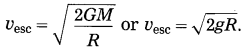
Question c.

Regular balanced diet and exercise.
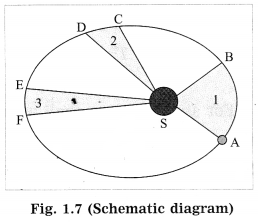
Answer:
1. Regular and balanced diet results into perfect health. The disease fighting power or immunity of a person is increased due to healthy diet.
2. One can avoid of frequent infections and also mental well¬being is established.
3. Heart disease, diabetes, obesity, etc. can be avoided by not consuming high caloric junk food.
4. Exercise improves blood circulation. Many disorders which are caused by faulty lifestyle can be prevented by having regular balanced diet and exercise, thus one must always follow these for well-being.

Question d.
Proper checking of blood before blood donation.
Answer:
1. There are definite blood groups.
2. During blood transfusion, the donor’s and recipient’s blood should be well-matched with each other. Otherwise, blood gets clumped inside the body of recipient.
3. Through infected blood, the viruses such as those causing hepatitis B or AIDS are transmitted to other healthy persons. Thus, for prevention of transmission of such diseases, blood should be checked before blood donation.

5. Read the passage and answer the questions.

Master X’ is a 3-year-old child. He is living with his family in a slum. The public toilet is present near his house. His father is drunkard. His mother does not know the importance of balanced diet.

Question a.
Master ‘X’ can suffer from which different possible diseases in above conditions?
Answer:
Master ‘X’ stays in an area which is devoid of cleanliness. The public toilet is near his house. This indicates that he will have to fight against many infectious diseases. Because his father is a drunkard, there will always be a dearth of money in r the house. He may not be able to afford, enough and balanced food. Thus his diet must be deficient in vitamins and minerals.

Moreover, his mother is ignorant about the importance of health and a balanced diet. This must be causing Master ‘X’ malnourishment and loss of immunity. The financial conditions and the addition of the father must be causing stress in the house.

This will further add stress on Master ‘X’ resulting into susceptibility to infections. As it is due to the location the germs are around and thus they may be attacking Master ‘X’. He will on and off suffer from digestive disorders! such as typhoid, hepatitis, cholera, enteritis, etc.

Maharashtra Board Class 8 Science Solutions Chapter 2 Health and Diseases

Question b.
How will you help him and his family in this situation?
Answer:
Initially, we shall help Master ‘X’ to procure healthy and balanced diet having fruits, vegetables, milk, etc. His mother will be taught importance of the balanced diet. The surroundings should be clean and hygienic. Food should be covered, houseflies should not be allowed to contaminate the food. Germicidal floor cleaners and disinfectants should be used to keep off the houseflies and cockroaches. His father will be taken to de-addiction centres such as ‘Alcoholics Anonymous’. He will be persuaded to leave alcoholism.
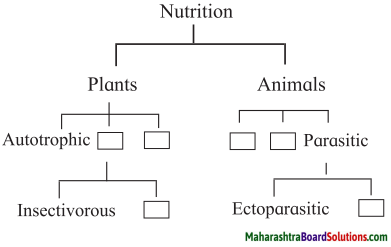
Question c.
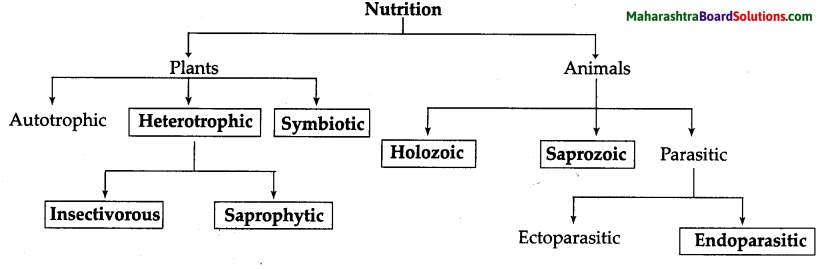
Which disease can occur to the i father of master ‘X’?
Answer:
Father of Master ‘X’ can develop diseases of liver and kidney.
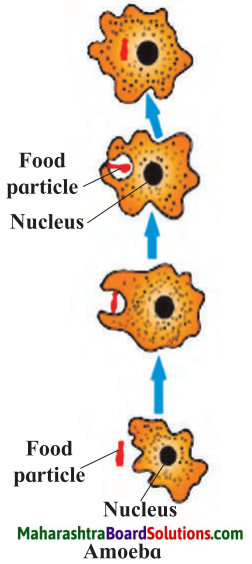
6. Give the preventive measures of following diseases:

Question a.
Dengue:
Answer:
Dengue is transmitted through bite of mosquito of Aedes aegypti. DEN-1, 2 virus belonging to the type – flavivirus is the causative pathogen for Dengue. Wherever there is stagnant or accumulated water, there is possibility of mosquito breeding. Therefore, care is to be taken to drain of such water. Thus this is a very important preventive measure. Especially, in the man¬made containers and in clean water, the Aedes mosquito prefers to breed.

Therefore, such water storages should be either covered or should be decanted. Another way to keep off from dengue is to increase our immunity to fight against the virus. There is vaccine called CYD-TDV or Dengvaxia which is synthesised in 2017. But it is still not considered to be completely safe.

Question b.
Cancer:
Answer:
The most important preventive measure is to remain away from the carcinogenic substances. Tobacco, gutkha, cigarette, bidi, etc. are addictive things which are very bad for our health. The nicotine present in these cause cancers of oral cavity and of respiratory system. Radiations can also cause cancer.

We should not expose ourselves to hazardous radiations. Balanced and healthy diet, proper exercise and living stress free with mental balance are some of the preventive measures of the cancer. Only for few types of cancer like cervical cancer in women, vaccine has been developed.

Maharashtra Board Class 8 Science Solutions Chapter 2 Health and Diseases

Question c.
AIDS:
Answer:
When blood transfusion is done, the blood should be checked for the presence of HIV. The used syringes, needles, etc. should not be used without sterilization. Through blood and blood products and body fluids HIV finds its way into the body. Therefore, these precautions should be taken. Unsafe sexual contact is the most important mode of transmission of HIV. Thus one should never deal with such dangerous acts. Awareness about AIDS and HIV is the real preventive measure.

7. Explain the importance.

Question a.
Balanced diet.
Answer:
The diet that contains all the nutrients in the balanced proportion is called balanced diet. One can avoid malnutrition by taking balanced diet. The immunity increases due to balanced diet containing good proportion of vitamins and minerals. Some diseases can be avoided due to raised immunity. Wrong lifestyle and wrong diet can cause hypertension, diabetes or heart disease. To maintain our health and keep the body in equilibrium, we have to take balanced diet.

Question b.
Physical exercise/Yogasanas.
Answer:
By exercise and yoga, the blood circulation of body is improved. Body and joints remain flexible. Mental strain and stress is reduced. Insomnia (inability to fall asleep), arthritis, indigestion, and some other disorders can be avoided. The person who performs exercise, always remains away from the addictions. Yoga makes levels of hormones, enzymes, etc. in equilibrium. By keeping control over breathing through pranayama many respiratory and circulatory disorders can be prevented.

8. Make a list. 

Question a.
Viral diseases.
Answer:
AIDS, Hepatitis, Influenza, Rabies, Polio.

Question b.
Bacterial diseases.
Answer:
Typhoid, Tuberculosis, Cholera, Leprosy.

Maharashtra Board Class 8 Science Solutions Chapter 2 Health and Diseases

Question c.
Diseases spread through insects.
Answer:
Malaria, Dengue, Elephantiasis.

Question d.
Hereditary diseases.
Answer:
Diabetes, Haemophilia, Muscular dystrophy, Colourblindness.

9. Write the information on modern diagnostics and treatments of cancer.

Question a.
Answer:
1. Following methods are used as diagnostic methods to detect the cancer. Techniques like CT scan, MRI scan, mammography, biopsy.
Treatment of the cancer is done by the following methods:

2. For treatment of cancer, some conventional methods are used. Along with these methods, chemotherapy, radiation therapy and surgery are commonly used to treat cancerous growth and tumours. New and modern techniques of robotic and laparoscopic surgery are also used for the treatment.

10. Enlist the names and composition of the medicines present at your home.

Question 1.
Prepare posters giving information about various diseases, public awareness and arrange exhibition in school.

Question 2.
Visit the public health center/clinic nearby and collect the information about vaccination.

Question 3.
Compose a street-play to increase public awareness about dengue, malaria, swine flu and present ¡tin the area nearby your school.

Maharashtra Board Class 8 Science Solutions Chapter 2 Health and Diseases

Project:

Question 1.
Prepare posters giving information about various diseases, public awareness and arrange exhibition in school.

Question 2.
Visit the public health center/clinic nearby and collect the information about vaccination.

Question 3.
Compose a street-play to increase public awareness about dengue, malaria, swine flu and present it in the area nearby your school.

Class 8 Science Chapter 2 Health and Diseases Additional Important Questions and Answers

Rewrite the sentences after filling the blanks:

Question 1.
For eradication of tuberculosis everybody should be vaccinated by …………. vaccine.
Answer:
For eradication of tuberculosis everybody j should be vaccinated by B.C.G vaccine.

Question 2.
Hepatitis B can be transmitted by ………….
Answer:
Hepatitis B can be transmitted by blood transfusion.

Question 3.
For treating diarrhoea/dysentery…………. is given to the patient.
Answer:
For treating diarrhoea/dysentery O.R.S. is given to the patient.

Maharashtra Board Class 8 Science Solutions Chapter 2 Health and Diseases

Question 4.
…………. virus is responsible for the infection of swine flu.
Answer:
Influenza A (H1N1) virus is responsible for the infection of swine flu.

Question 5.
…………. mosquito spreads dengue.
Answer:
Aedes aegypti mosquito spreads dengue.

Question 6.
Malaria is caused by female mosquito of …………. genus.
Answer:
Malaria is caused by female mosquito of Anopheles genus.

Question 7.
…………. test is performed on blood to diagnose AIDS.
Answer:
ELISA test is performed on blood to diagnose AIDS.

One word in the following sentences is wrong. Change it to make the sentences correct:

Question 1.
Culex mosquito is seen in clean water.
Answer:
Culex mosquito is seen in dirty water.

Question 2.
Transmission of swine flu is done by dogs and human beings.
Answer:
Transmission of swine flu is done by pigs and human beings.

Question 3.
Hydrophobia is the main symptom of typhoid.
Answer:
Hydrophobia is the main symptom of rabies.

Maharashtra Board Class 8 Science Solutions Chapter 2 Health and Diseases

Question 4.
The maximum number of patients of diabetes are found in America.
Answer:
The maximum number of patients of diabetes are found in India.

Question 5.
Generic medicines are also called branded medicines.
Answer:
Generic medicines are also called general medicines.

Question 6.
If the secretion of insulin is increased, then the diabetes is caused.
Answer:
If the secretion of insulin is decreased, then the diabetes is caused.

Question 7.
Virus causing rabies enter the brain through food.
Answer:
Virus causing rabies enter the brain through neurons.

Match the columns:

Question 1.

Bacterial diseasesBacteria
1. Typhoid(a) Mycobacterium tuberculi
2. Cholera(b) Bacillus
3. Diarrhoea(c) Vibrio choleri
4. Tuberculosis(d) Salmonella typhi

Answer:

Bacterial diseasesBacteria
1. Typhoid(d) Salmonella typhi
2. Cholera(c) Vibrio choleri
3. Diarrhoea(b) Bacillus
4. Tuberculosis(a) Mycobacterium tuberculin

Maharashtra Board Class 8 Science Solutions Chapter 2 Health and Diseases

Question 2.

Importance of the dayDate
1. World Diabetes Day(a) 7th April
2. World Heart Day(b) 14th June
3. World Blood Donation Day(c) 29th September
4. World Health Day(d) 14th November

Answer:

Importance of the dayDate
1. World Diabetes Day(d) 14th November
2. World Heart Day(c) 29th September
3. World Blood Donation Day(b) 14th June
4. World Health Day(a) 7th April

Identify the odd term:

Question 1.
Chemotherapy, Radiation therapy, Surgery, Pranayama
Answer:
Pranayama (All others are treatment for cancer.)

Question 2.
Chronic cough, Hoarse voice, Uncontrolled blood sugar level, Difficulty in swallowing.
Answer:
Uncontrolled blood sugar level (All others are symptoms of cancer of throat.)

Maharashtra Board Class 8 Science Solutions Chapter 2 Health and Diseases

Question 3.
Mantra, Vaccination, Black magic, Hatred.
Answer:
Vaccination (This is the only way for prevention of diseases. Rest of the others are blind faiths which are unscientific.)

Consider the relation between the items in the first pair and write the correlation for second pair:

1. Swine flu : Virus : :
Tuberculosis : : …………….
Answer:
Bacteria

2. Anopheles : Malaria :
Culex : …………………
Answer:
Elephantiasis

Maharashtra Board Class 8 Science Solutions Chapter 2 Health and Diseases

3. Housefly : Typhoid : : Dog : ………….
Answer:
Rabies

4. Decrease in blood platelets : :
Dengue : : Difficulty in breathing : ……………
Answer:
Swine flu

5. Cancer : Laparoscopic surgery : :
Heart disease :……………
Answer:
By-Pass surgery.

Distinguish between the following:

Question 1.
Typhoid and Tuberculosis :
Answer:

TyphoidTuberculosis
1. Typhoid is caused by bacteria (Salmonella) that is passed by contaminated food and water and is spread through house flies.1. Tuberculosis is caused by bacteria (Mycobacterium) which pass through the spittle of the patient.
2. The infection of typhoid is through food or water via the mouth.2. The infection of tuberculosis is through air via the nose.
3. Typhoid affects stomach and intestine.3. Tuberculosis affects lungs and chest.
4. There is high fever for specific period in typhoid.4. There is continuous low grade fever in tuberculosis.
5. There is stomachache and headache in typhoid.5. There is chest pain in tuberculosis.
6. Vaccination for typhoid is given at the time of suspected epidemic.6. BCG vaccination is given to all at a young age only.

What can be achieved/can be prevented?/Give reasons.

Question 1.
People suffering from communicable diseases should avoid going to public places.
Answer:

  1. Communicable diseases spread when people share space with a diseased person.
  2. If people suffering from l communicable diseases go to a public place, they would spread the disease causing germs in the air.
  3. These germs can be transmitted to other healthy persons.
  4. If the resistance power of the persons is less, they will fall sick by getting infected.
  5. This may break into an epidemic. Therefore, people suffering from communicable diseases should avoid going to public places.

Maharashtra Board Class 8 Science Solutions Chapter 2 Health and Diseases

Question 2.
Pet animals should be given anti-rabies vaccine.
Answer:

  1. We keep animals like cats and dogs at home as pets.
  2. They may get infected with the virus of rabies.
  3. If such an infected pet bites us, we may also get rabies.
  4. Rabies is a lethal disease.
  5. In order to protect the animals and to prevent rabies being transmitted, they should be given anti-rabies vaccine.

Question 3.
Tuberculosis is considered as the most communicable disease.
Answer:

  1. Tuberculosis is caused due to bacterial infection.
  2. It is an air-borne infection and spreads through the spittle of T.B. patient.
  3. When personal and public hygiene is not followed, this disease spreads very rapidly.
  4. It is estimated that every two minutes, one patient dies of T.B. in India. Tuberculosis, therefore, is considered as the most communicable disease.

Question 4.
ORS gives temporary relief to the patient of diarrhoea.
Answer:

  1. In diarrhoea, due to loose motions the patient becomes dehydrated.
  2. The eyes get sunken and the mouth becomes dry.
  3. If immediate help is not given, the condition can become critical. The absorption function of the intestine is disturbed.
  4. But by giving ORS, enough water, sugar and salt enter the body saving the life of the patient.
  5. The sugar and salt in the ORS gets absorbed in the intestine and reduce the dehydration.
  6. However, for eradication of infection, proper medical treatment is to be given, therefore, ORS gives only a temporary relief to the patient of diarrhoea.

Answer the following questions in one sentence:

Question 1.
Which virus causes dengue and how does it spread?
Answer:
Dengue is caused by DEN-1, 2 virus belonging to the type – flavivirus. Aedes aegypti type of mosquito spreads the disease by transferring this virus through its bite.

Maharashtra Board Class 8 Science Solutions Chapter 2 Health and Diseases

Question 2.
What are the reasons for spread of swine flu?
Answer:
Swine flu is caused by the virus influenza A (H1N1). Its carrier is pig. The contact with such pigs or infected persons can cause infection of swine flu. The infection spreads through sweat and through secretions of nose, throat and saliva of the diseased person.

Question 3.
What are the symptoms of swine flu?
Answer:
Symptoms of swine flu : Palpitations, difficulty in breathing, sore throat, body pain along with high fever.

Question 4.
In whom was HIV first reported?
Answer:
HIV was first reported in an African species of monkeys

Question 5.
What is a malignant tumour?
Answer:
Due to uncontrolled cell division
there is a formation of lump of cancerous cells. If this lump is without the covering, then it is called malignant tumour.

Question 6.
How is efficiency of the heart reduced?
Answer:
When the blood circulation for the heart muscles is obstructed, it does not receive enough oxygen and nutrients. Due to this condition heart has to exert more and gets stressed resulting into loss of efficiency.

Question 7.
What are the different types of treatment for heart diseases?
Answer:
Angioplasty, By-Pass surgery, open heart surgery, installation of stents, installation of pacemaker, heart transplant are some of the treatment for heart diseases.

Maharashtra Board Class 8 Science Solutions Chapter 2 Health and Diseases

Question 8.
What is Pradhan Mantri Jan Aushadhi Yojana? When was it started?
Answer:
Government of India started the Pradhan Mantri Jan Aushadhi Yojana on 1st July 2015. Under this scheme people who are not able to afford best quality medicines are given generic medicines of the same quality at much reduced price.

Question 9.
When can eye donation be done? What is the advantage of eye donation?
Answer:
Anybody can donate eyes posthumously. Due to eye donation, some blind person can regain the sight.

Explain the importance:

Question 1.
Generic medicines.
Answer:
Generic medicines are also called general medicines. They are affordable for the common citizens of India. These medicines are manufactured and distributed without any patent. They are similar in quality and composition as the branded i medicines. The proportion of compounds in these medicines and its formula of preparation is readily available. Thus the money spent on the research is reduced. Therefore, generic medicines are much cheaper than the expensive branded medicines.

Question 2.
Blood donation.
Answer:
Blood donation is said to be the greatest donation that one can give. Blood donation can save someone’s life. By one unit blood of a single donor, three different patients can be saved. From such blood red blood cells, white blood cells and blood i platelets can be separated and given to different patients who are in need with corresponding component. Blood cannot be manufactured artificially and hence blood donation is the only way to collect blood. One healthy person can donate blood four r times in a year, thus saving 12 patients.

Maharashtra Board Class 8 Science Solutions Chapter 2 Health and Diseases

Question 3.
First Aid for Heart Disease.
Answer:
A person who is suffering from cardiac problems can get a heart attack suddenly. In such case, the patient should be given immediate and appropriate treatment to save his or her life. First and foremost one should call 108 for cardiac ambulance. Then the patient’s pulse or heartbeats should be checked to know his/her condition. Check the consciousness of the patient. Then make the patient to lie on a hard surface in horizontal position.

Perform C.O.L.S. or, ‘Compression Only Life Support’ on the patient. During this procedure, a pressure is given in the centre of the thorax of a patient for at least 30 times at the rate of 100 to 120 r strokes per minute. This is a first aid for the r heart attack. Before the arrival of doctor or proper medical aid, the life of a patient is saved.

Answer the following questions:

Question 1.
Write a brief account about tuberculosis.
Answer:
Mycobacterium tuberculae is the bacteria which causes tuberculosis (TB) infection. This infectious and communicable disease passes through spittle of the patient. The sneezing and coughing of patient cause f droplet infections. With prolonged contact with the patient and using the objects of the patient there is greater chance of acquiring TB infection. Different body organs such as bones, uterus and lungs can be affected by tuberculosis.

The pulmonary TB i.e. TB of the lungs is more common. The symptoms of TB are prolonged cough, blood through spittle, decrease in the body weight and difficulty in breathing. B.C.G. vaccine can be given in young age for prevention of TB. The patient needs to be isolated if TB is detected. Regular antibiotics have to be taken. DOTS process of medication needs to be followed.

Maharashtra Board Class 8 Science Solutions Chapter 2 Health and Diseases

Question 2.
Write the symptoms of dengue.
Answer:
Symptoms of dengue are as follows:

  1. High and severe fever.
  2. Severe headache accompanied with vomiting.
  3. Pain in the eye sockets as if someone is pushing the eyes out.
  4. Rapid reduction in the number of blood platelets.
  5. Internal haemorrhages in the body.

Question 3.
How is rabies caused? What are the important symptoms of the rabies?
Answer:
Rabies is a viral disease. The bite of a rabid animal (the animal who is already infected with rabies virus) transfers the virus in the human blood through the bite wound. Dog, rabbit, monkey and cat can be infected with rabies if they are not vaccinated. The virus of rabies enters the brain through neurons. If not treated in time, rabies can be fatal.

Symptoms of rabies: There is a fever which lasts for 2 to 12 weeks. The victim becomes hyper-excited. He /She shows exaggerations in behaviour. Hydrophobia is very unique symptom in which person is scared and phobic of water. The symptoms can be seen within 90 to 175 days after the animal-bite.
When the dog or any animal bites, before the symptoms are seen, the victim should immediately take anti-rabies vaccine. This vaccination can save a person.

Question 4.
What are the causes of cancer?
Answer:
The carcinogenic substances can cause cancer. Thus such substances should never be used. Tobacco, gutkha and other nicotine containing products can cause cancer. Smoking and alcoholism can also induce cancer development. Cancer is also hereditary disease which is said to be caused by oncogenes. The lack of high fibre food in the diet and junk food in great quantities can induce the cancer development in some part of the alimentary canal.

Maharashtra Board Class 8 Science Solutions Chapter 2 Health and Diseases

Question 5.
Write the symptoms of cancer.
Answer:

  1. If part of the respiratory system is under the attack of cancer, it can cause, long term cough, hoarse voice, difficulty in swallowing or difficulty in breathing.
  2. The wounds do not become cured and the scar too is incurable. Inflammations does not subside.
  3. There is formation of tumour like lump in the breast of the females.
  4. In all the types of cancer there is unexplained weight loss.

Question 6.
What are the preventive measures to avoid the cancer?
Answer:
Complete control over diet should be followed. It should be’ healthy and nutritive. Such diet protects one from the cancer. The modern treatment processes should be immediately carried out, if the cancer is detected. With time-lapse, the growth of the cancer keeps on increasing. Physical exercises should be regularly done. Tobacco consumption, smoking are some addictions that can induce cancer. These should never be tried.

Question 7.
What are the causes and symptoms of diabetes?
Answer:
Causes of diabetes: The pancreas in normal persons secrete hormone insulin which maintains the sugar level in the blood. When there is deficiency of insulin, the symptoms of diabetes develop due to uncontrolled blood sugar level. Hereditary causes also can develop diabetes.

Obesity, lack of physical exercise, mental stress can also lead to diabetes. Overconsumption of fried food and over-indulgence in eating sweetmeats increase the chances of diabetes.

Symptoms of diabetes: The person who develops diabetes has frequent urination and continuous thirst. The body weight also reduces rapidly. Sometimes it may rise suddenly. There is continuous feeling of fatigue.

Maharashtra Board Class 8 Science Solutions Chapter 2 Health and Diseases

Question 8.
What are the causes of heart diseases?
Answer:
Addictions such as smoking, alcoholism and junk food lead to heart disease. Diabetes, hypertension, obesity are responsible for developing heart disease. Lack of physical exercise, no physical work, continuous sedentary mode are some causes which reduce the efficiency of the working of heart. Mental strain and stress, anger, frustration, anxiety are some psychological reasons that can lead to heart problems

Question 9.
What happens when medicines are missed?
Answer:
When medicines are taken without the consultation of doctor, there are certain problems. When the medicines and drugs are taken without any cause or symptom, then it is a misuse. Overdose of pain killers produce side effects. Some of these cause damage to nervous system, excretory system and liver. Overdose of antibiotics develops nausea, stomachache, loose motions and rash, white patches on tongue, etc.

Questions based on charts/tables:

Question 1.
Complete the table: Prepare similar table of information as the table given on page 7 about various disease like enteritis, malaria, plague and leprosy.
Answer:
Maharashtra Board Class 8 Science Solutions Chapter 2 Health and Diseases 1

Question 2.
Draw a flow diagram to show treatment for heart diseases.
Answer:
Maharashtra Board Class 8 Science Solutions Chapter 2 Health and Diseases 3

Activity-based questions:

Question 1.
Enlist the names and composition of the medicines present at your home.
Answer:
Students are expected to write this answer based on the medicines in their own homes.

Maharashtra Board Class 8 Science Solutions Chapter 2 Health and Diseases

Question 2.
Observe and discuss :
Maharashtra Board Class 8 Science Solutions Chapter 2 Health and Diseases 6
Answer:
Observe the following pictures and write description in the boxes.
Maharashtra Board Class 8 Science Solutions Chapter 2 Health and Diseases 4

Open-Ended Questions:

Question 1.
Poor people do not afford the costly medicines. Is there any alternative for this? Which one?
Maharashtra Board Class 8 Science Solutions Chapter 2 Health and Diseases 5
Answer:
Some medicines are very costly. The poor people cannot afford such expensive medicines. In such cases, some social organizations may give some help to these patients. Some trusts like Tata trust can also offer help to the needy for the treatment.

Some hospitals have social workers who help the needy for raising the funds for poor patients. Another way is to use generic medicines.

These medicines are at par in quality with the branded medicines but they are quite less in the price. They are available in the generic medicine shops. One can also take benefit of Pradhan Mantri Jan Aushadhi Yojana.

Question 2.
What measures will you take to stop the breeding of mosquitoes?
Answer:
We have to take care that there is no water stagnated in and around the house. The garden plants and pots in the house should be checked for the mosquito larvae and eggs if any. If water is not receding and remaining accumulated, then the spraying of insecticides should be done with the help of elders. With the help of elders in the house, the complaint can be lodged in the Malaria eradication department in the nearby Municipality or Gram Panachyat office.

If the water is in ponds, we can release guppy fishes to eradicate the mosquito larvae. The fish feed on the larvae and automatically control the mosquito population.

Maharashtra Board Class 8 Science Solutions Chapter 2 Health and Diseases

Question 3.
Our behaviour with HIV infected person must be normal or should not be normal? What is your opinion? Write it with correct explanation.
Answer:
Our behaviour with HIV infected person must be normal. There are no chances of acquiring AIDS by having normal behaviour with the HIV positive person. HIV can pass only through body fluids and blood from HIV infected person to the other normal person. Similarly, the needles or syringes used by HIV infected person can cause the infection of HIV to the other person.

Such ways of contamination should always be avoided. The sexual contact or the blood transfusion with HIV positive person should always be avoided. But the normal behaviour such as hand-shake, eating together, studying in the same class will not matter at all in the transmission of AIDS.

Maharashtra Board Class 7 Science Solutions Chapter 2 Plants: Structure and Function

Balbharti Maharashtra State Board Class 7 Science Solutions Chapter 2 Plants: Structure and Function Notes, Textbook Exercise Important Questions and Answers.

Maharashtra State Board Class 7 Science Solutions Chapter 2 Plants: Structure and Function

Class 7 Science Chapter 2 Plants: Structure and Function Textbook Questions and Answers

1. Give examples of 3 plants that have:

Question a.
Spiny fruits
Answer:
Jack fruit, Pineapple, Lychee (litchi), Datura

Question b.
Spiny stem
Answer:
Cactus, Wild rose, Catclaw acacia, Silk, Cotton

Question c.
Red flowers
Answer:
Rose, Dahlia, Hibiscus, Tulips,

Maharashtra Board Class 7 Science Solutions Chapter 2 Plants: Structure and Function

Question d.
Yellow flowers
Answer:
Marigold, Daffodil, Sunflower, Daisy

Question e.
Leaves which close at night
Answer:
Mimosa plant, Tallwood, Prayer plant, Gulmohar

Question f.
Single seeded fruits
Answer:
Mango, Lychee, Jamun

Question g.
Many seeded fruits
Answer:
Custard apple, Papaya, Watermelon.

2. Observe any one flower and its various parts and describe it in your own words.

Question a.
Answer:
Maharashtra Board Class 7 Science Solutions Chapter 2 Plants Structure and Function 1

A flower has following parts:
1. Pedicel: (a) Flower may have a long or a short stalk called pedicel, (b) One end of the pedicel is attached to the stem, (c) The other end of the pedicel is expanded and swollen. It is called the receptacle, (d) Petals and other parts of the flower are supported on the receptacle.
2. Calyx: In the bud condition, the petals are covered by leaf like parts called sepals which are green in colour. They form the calyx.
3. Corolla: This is made up of colourful parts called petals.
4. Androecium: (a) This is the male reproductive part of the flower, (b) It consists of stamens, (c) Each stamen is made up of anther and filament.
5. Gynoecium: (a) This is the female reproductive part of the flower, (b) This is made up of carpels, (c) A carpel consists of stigma, style and ovary.

Maharashtra Board Class 7 Science Solutions Chapter 2 Plants: Structure and Function

3. What are the similarities and differences between?

Question a.
Jowar and Moong
Differences:

JowarMoong
i. It has fibrous root.i. It has tap root.
ii. It is a monocotyledonous seed.ii. It is a dicotyledonous seed.
iii. It is a rabi crop.iii. It is a kharif crop

Similarities:
Jowar and Moong both are angiosperms.

Maharashtra Board Class 7 Science Solutions Chapter 2 Plants: Structure and Function

Question b.
Onion and Coriander
Differences:

OnionCoriander
i. It is a biennial plant.i. It is an annual plant.
ii. It has monocoty­ledonous seed.ii. It has dicotyledonous seeds.
iii. It has fibrous root.iii. It has tap root but later on changes to fibrous root system.

Similarities:

  1. Both are used in cooking.
  2. Both are edible.
  3. Both belongs to kingdom plantae.

Question c.
Leaves of banana and Leaves of mango
Answer:

Leaves of bananaLeaves of mango
i. It has parallel venation.i. It has reticulate venation.
ii.  It is very large in size.ii. It is small in size.
iii. It is a monocotyledonous plant.iii. It is a dicotyledonous plant.

Maharashtra Board Class 7 Science Solutions Chapter 2 Plants: Structure and Function

Question d.
Coconut tree and Jowar stalk plant
Answer:
Differences:

Coconut treeJowar stalk plant
i. It is tall and has a thick stemi. It is small and has a thin stem.
ii. It has strong root system.ii. It has weak root system.
iii. Each and every part of tree is useful.iii. Only seeds are useful.

Similarities:

  1. Both are from same kingdom plantae.
  2. Both are autotrophic.
  3. Both are monocotyledonous plants.

4. Explain the following images in your own words.

Question a.
Maharashtra Board Class 7 Science Solutions Chapter 2 Plants Structure and Function 2
Answer:

  1. Diagram A is of maize seed. It is a monocotyledonous seed and does not divide into two equal parts. The plant has fibrous root system.
  2. Diagram B is of bean seed. It is a dicotyledonous seed and it divides into two equal parts. The plant has tap root system.

Maharashtra Board Class 7 Science Solutions Chapter 2 Plants: Structure and Function

5. Describe the functions of various parts of a plant.

Question a.
Describe the functions of various parts of a plant.
Answer:
The functions of various parts of a plant are as below.
1. Root: (a) Fixation: It anchors the plant body to the soil, so helps in fixation, (b) Absorption: It absorbs water and nutrients from the soil, so helps in absorption, (c) Conduction: The root translocates water and mineral salts into the stem. (d) Storage: A certain amount of food is stored in the root which is utilized as it grows.
(e) Preventing soil erosion: It helps to bind the soil particles and prevent them from being blown away by wind or water.
2. Stem: (a) It supports and holds leaves, flower and fruits, (b) The stem conducts the water and minerals from roots to leaves and fruits, (c) It stores the food.
3. Leaves: (a) It synthesizes food for the plant, (b) Stomata, the tiny openings in the leaf help in gaseous exchange and are responsible for the process of transpiration.
4. Flower: It helps in pollination.
5. Fruit: (a) It protects the seed, (b) It helps in seed dispersal.
6. Seed: A new plant develops from it.

6. Certain properties are mentioned below. Find a leaf corresponding to each property and describe those plants.

Question a.
Certain properties are mentioned below. Find a leaf corresponding to each property and describe those plants.
leaves with smooth surface, leaves with rough surface, fleshy leaf, spines on leaf.
Answer:

  1. Leaves with smooth surface: e.g. Banana leaf. It is large in size. It is closely rolled up one over the other. Together they look like a trunk but they form only an apparent trunk. It has parallel venation.
  2. Leaves with rough surface: e.g. Hibiscus leaf. It has reticulate venation. Leaf margin is toothed.
  3. Fleshy leaf: e.g. Jade plant, water hyacinth. It has fleshy, glossy and smooth leaves. They are coloured jade green and having a slightly red tinge towards the edge of leaves when exposed to higher level of light.
  4. Spines on leaf: e.g. Opuntia, Ci/cas, kevda. Opuntia is a desert plant. Leaf is thick, fleshy and having spines on it.

Maharashtra Board Class 7 Science Solutions Chapter 2 Plants: Structure and Function

7. Find the plant parts.

Question a.
Maharashtra Board Class 7 Science Solutions Chapter 2 Plants Structure and Function 3
Answer:
Maharashtra Board Class 7 Science Solutions Chapter 2 Plants Structure and Function 4
ROOT, ROOT CAP, ROOT HAIR, BUD, PETALS, STEM, RADICLE, FLOWER, LEAF, VEIN, CALYX, NODE, OVUM.

Class 7 Science Chapter 2 Plants Structure And Function Question Answer Activity:

Sketch various types of leaves in Paintbrush on the computer and save the sketches in a folder of your own name.

Class 7 Science Chapter 2 Plants: Structure and Function Important Questions and Answers

Plants Structure And Function Exercise Fill in the blanks:

Plants Structure And Function Class 7 Questions And Answers Question 1.
The part that grows from inside the seed towards the soil is called the …………….. .
Answer:
radicle

Maharashtra Board Class 7 Science Solutions Chapter 2 Plants: Structure and Function

Plants Structure And Function Class 7 Question 2.
The part that grows above the soil from the seed is called the …………….. .
Answer:
plumule

Plants Structure And Function Question And Answer Question 3.
The part of the plant growing below the soil from radicle for support is called …………….. .
Answer:
root

Plants Structure And Function Class 7 Exercise Question 4.
The …………….. protects the root-tip from injuries.
Answer:
root cap

Plants Structure And Function Exercise Question 5.
Roots bearing hair like processes near the root tips are called …………….. .
Answer:
root hairs

Class 7 Science Chapter 2 Plants Structure And Function Question Answer Question 6.
Thread-like or fibre like roots arising from the stem are called ……………. .
fibrous roots

Question 7.
The stem grows above the soil from the …………….. of the sprouting seed.
Answer:
plumule

Question 8.
Leaves come out at the …………….. .
Answer:
nodes

Maharashtra Board Class 7 Science Solutions Chapter 2 Plants: Structure and Function

Question 9.
The part of the stem between two nodes is called …………….. .
Answer:
inter node

Question 10.
The tip or the apical end of the stem is called a …………….. .
Answer:
bud

Question 11.
The broad, spread out part of the leaf is called the …………….. or …………….. .
Answer:
leaf blade, lamina

Question 12.
The tip of the leaf is called the …………….. .
Answer:
leaf apex

Question 13.
Leaves of some plants have a stalk called a …………….. .
Answer:
petiole

Question 14.
The portion of the leaf attached to the stem is called the …………….. .
Answer:
leaf base

Question 15.
Small leaf like structures near the leaf base is called …………….. .
Answer:
stipides

Maharashtra Board Class 7 Science Solutions Chapter 2 Plants: Structure and Function

Question 16.
Flowers may have a long or a short stalk called …………….. .
Answer:
pedicel

Question 17.
One end of the pedicel is attached to the …………….. .
Answer:
stem

Question 18.
…………….. is a male reproductive organ of the flower.
Answer:
Androecium

Question 19.
…………….. is a female reproductive organ of the
Answer:
gynoecium

Question 20.
Androecium consists of …………….. .
Answer:
stamens

Question 21.
Gynoecium consists of …………….. .
Answer:
carpels

Question 22.
Seeds which get divided into two equal parts are called …………….. seeds.
Answer:
dicotyledonous

Maharashtra Board Class 7 Science Solutions Chapter 2 Plants: Structure and Function

Question 23.
Seeds which do not divide into two equal parts are …………….. called seeds.
Answer:
monocotyledonous

Question 24.
Petals and other parts of the flower are supported on the …………….. .
Answer:
receptacle

Question 25.
Sepals are …………….. in colour.
Answer:
green.

Match the columns:

Question  1.

Column ‘A’Column ‘B’
1. Peepala. carpels
2. Maizeb. stamen
3. Androeciumc. parallel venation
4. Gynoeciumd. reticulate venation

Answer:

Column ‘A’Column ‘B’
1. Peepald. reticulate venation
2. Maizec. parallel venation
3. Androeciumb. stamen
4. Gynoeciuma. carpels

Maharashtra Board Class 7 Science Solutions Chapter 2 Plants: Structure and Function

Question 2.

Column ‘A’Column B’
1. Tap rootsa. stem
2. Fibrous rootsb. root
3. Radiclec. monocotyledonous plants
4. Plumuled. dicotyledonous plants

Answer:

Column ‘A’Column B’
1. Tap rootsd. dicotyledonous plants
2. Fibrous rootsc. monocotyledonous plants
3. Radicleb. root
4. Plumulea. stem

Maharashtra Board Class 7 Science Solutions Chapter 2 Plants: Structure and Function

Question 3.

Column A’Column B’
1. Leaf-tipa. petiole
2. Edge of leaf bladeb. leaf margin
3. Portion of leaf attached to stemc. lamina
4. Stalk of leafd. leaf apex
e. leaf base

Answer:

Column A’Column B’
1. Leaf-tip d. leaf apex
2. Edge of leaf bladeb. leaf margin
3. Portion of leaf attached to steme. leaf base
4. Stalk of leafa. petiole

Maharashtra Board Class 7 Science Solutions Chapter 2 Plants: Structure and Function

Say whether True or False Correct and rewrite the false statements:

Question 1.
Stem grows from radicle.
Answer:
False. Stem grows from the Plumule

Question 2.
Leaf margins may be entire, dentate or lobed.
Answer:
True

Question 3.
The leaf blade of leaves in some plants is divided into many small parts called leaflets.
Answer:
True

Question 4.
Maize plant has reticulate venation.
Answer:
False. Maize plant has parallel venation

Question 5.
A carpel consists of stigma, style and ovary.
Answer:
True.

Maharashtra Board Class 7 Science Solutions Chapter 2 Plants: Structure and Function

Question 6.
A stamen is made up of nodes and internodes.
Answer:
False. A stamen is made up of anther filament

Question 7.
The ovary develops into a fruit.
Answer:
True

Question 8.
Fertilized ovules form the seeds.
Answer:
True

Question 9.
A mango fruit contains many seeds.
Answer:
False. A mango fruit contains only one seed

Question 10.
A fruit like cashew have seed outside the fruit.
Answer:
True.

Question 11.
Leaves of some plants do not have a petiole.
Answer:
True

Maharashtra Board Class 7 Science Solutions Chapter 2 Plants: Structure and Function

Question 12.
The peepal leaf has parallel venation.
Answer:
False. It has reticulate venation.

Find the odd one out:

Question 1.
Pea, Moong, maize, groundnut
Answer:
Maize – Its seed is monocotyledonous, while others have dicotyledonous seeds.

Question 2.
Cashew, apple, mango, chikoo
Answer:
Cashew – Its seed is outside the fruit, others have internal seeds.

Question 3.
Stigma, anther, style, ovary
Answer:
Anther – It is a part of androecium, while others are a part of gynoecium.

Maharashtra Board Class 7 Science Solutions Chapter 2 Plants: Structure and Function

Question 4.
Petiole, vein, calyx, apex
Answer:
Calyx – It is a part of flower, whereas others are parts of leaf.

Question 5.
Aerial, stilt, runner, lobed
Answer:
Lobed – It is a type of leaf margin, while others are types of modified roots.

Answer the following in one or two sentences:

Question 1.
Which types of roots do the fenugreek, spinach and onion plants have?
Answer:

  1. Fenugreek and spinach have tap roots with a few secondary roots whereas onion has fibrous root.
  2. Fenugreek roots also have some nodules which contain nitrogen fixing bacteria.

Question 2.
What are called prop roots?
Answer:
Roots emerging from the trunk and branches of a banyan tree grow towards the soil. These roots are called prop roots.

Maharashtra Board Class 7 Science Solutions Chapter 2 Plants: Structure and Function

Question 3.
What is called reticulate venation?
Answer:

  1. A leaf is divided into two equal parts by a single mid-vein which lies along the midline of the leaf blade.
  2. Secondary veins arise from the mid-vein. They are branched and form a network or reticulum. Such a type of venation is called reticulate venation.

Question 4.
What is called parallel venation?
Answer:
In a leaf all the veins are parallel, running from the leaf base to the leaf apex. Such a venation is called parallel venation.

Question 5.
What is pollination?
Answer:
After maturity, anthers burst and the pollen grains which are released fall on the stigma. This process is called pollination.

Question 6.
Why are the underground parts of plants like radish, carrot, beet and sweet potato thick, fleshy and swollen? Which parts of the plant are they?
Answer:
The underground parts of plants like radish, carrot, beet and sweet potato are thick, fleshy and swollen because they store food in the form of starch. These are the root part of the plant.

Maharashtra Board Class 7 Science Solutions Chapter 2 Plants: Structure and Function

Distinguish between:

Question 1.
Tap roots and fibrous roots.
Answer:

Tap rootsFibrous roots
1. Roots of some plants produce secondary roots that grow obliquely and spread far and wide in the soil. This type of root is called a tap root.1. Thread like or fibre roots arising from the stem are called fibrous roots.
2. It is found in dicotyledonous plant.2.  It is found in monocotyle-donous plant.

Question 2.
Dicotyledonous seeds and monocotyledonous seeds.
Answer:

Dicotyledonous seedsMonocotyledonous seeds
1. Seeds which get divided into two equal parts are called dicotyledonous seeds.1. Seeds which do not divide into two equal parts are called monocotyledonous seeds.
2. Dicotyledonous seeded plants have tap root system.2. Monocotyledonous seeded plants have fibrous root system.

Maharashtra Board Class 7 Science Solutions Chapter 2 Plants: Structure and Function

Draw neat and labelled diagram for the following:

Question 1.
Tap root
Answer:
Maharashtra Board Class 7 Science Solutions Chapter 2 Plants Structure and Function 5

Question 2.
Parts of a leaf.
Answer:
Maharashtra Board Class 7 Science Solutions Chapter 2 Plants Structure and Function 6

Question 3.
Parts of stem
Answer:
Maharashtra Board Class 7 Science Solutions Chapter 2 Plants Structure and Function 7

Maharashtra Board Class 7 Science Solutions Chapter 2 Plants: Structure and Function

Do as directed:

Question 1.
Certain properties are mentioned below. Find a leaf corresponding to each property and describe those plants.
Answer:

  1. Leaves with smooth surface: e.g. Banana leaf. It is large in size. It is closely rolled up one over the other. Together they look like a trunk but they form only an apparent trunk. It has parallel venation.
  2. Leaves with rough surface: e.g. Hibiscus leaf. It has reticulate venation. Leaf margin is toothed.
  3. Fleshy leaf: e.g. Jade plant, water hyacinth. It has fleshy, glossy and smooth leaves. They are coloured jade green and having a slightly red tinge towards the edge of leaves when exposed to higher level of light.
  4. Spines on leaf: e.g. Opuntia, Cycas, kevda. Opuntia is a desert plant. Leaf is thick, fleshy and having spines on it.

Use your brainpower!

Answer the following questions:

Question 1.
What would have happened if plants like tamarind, banyan and mango had fibrous roots?
Answer:
If plants like banyan, mango, tamarind had fibrous roots they would get uprooted and fall even with a little strong wind as the roots would not be able to support and anchor the trees firmly.

Question 2.
What will happen if the root-tip is injured?
Answer:

  1. Root cap helps the root to grow downward It protects the sensitive part of the root and eases the movement of the root through the soil.
  2. Injury of the root tip causes the root to grow randomly and it also may lead to injury of the sensitive part of the root.

Maharashtra Board Class 7 Science Solutions Chapter 2 Plants: Structure and Function

Question 3.
Which types of roots do the fenugreek, spinach and onion plants have?
Answer:

  1. Fenugreek and spinach have tap roots with a few secondary roots whereas onion has fibrous root.
  2. Fenugreek roots also have some nodules which contain nitrogen-fixing bacteria.

Question 4.
Of what use to a plant are the insects flitting about around its flowers?
Answer:

  1. The insects try to suck the nectar from the flowers and in that process the pollen grains stick to their legs.
  2. When they sit on another flower the pollen grain stick to the stigma and the pollination takes place. Thus, these insects help in the pollination.

Observe the figure and answer the questions given.

1.
Maharashtra Board Class 7 Science Solutions Chapter 2 Plants Structure and Function 8

Question a.
What is shown in the picture?
Answer:
The picture shows the arrangement of leaves on the stem.

Maharashtra Board Class 7 Science Solutions Chapter 2 Plants: Structure and Function

Question b.
What arrangement is shown in (A), (B), and (C)?
Answer:
(A) Alternate (B) Opposite (C) Whorled

2.
Maharashtra Board Class 7 Science Solutions Chapter 2 Plants Structure and Function 9

Question a.
Lable parts 1 to 6.
Answer:

  1. Gynoecium or carpel
  2. Corolla
  3. Androecium (Stamen)
  4. Ovary
  5. Corolla
  6. Pedicel

Question b.
Name the female reproductive part.
Answer:
Gynoecium

Maharashtra Board Class 7 Science Solutions Chapter 2 Plants: Structure and Function

Question c.
Name the colourful part of the flower.
Answer:
Corolla

Question d.
Which part develops into fruit?
Answer:
Ovary

Question e.
Which pa pollination?
Answer:
The transfer of pollen grains from the anther to the stigma of flower is called pollination.

Maharashtra Board Class 7 Science Solutions Chapter 4 Nutrition in Living Organisms

Balbharti Maharashtra State Board Class 7 Science Solutions Chapter 4 Nutrition in Living Organisms Notes, Textbook Exercise Important Questions and Answers.

Maharashtra State Board Class 7 Science Solutions Chapter 4 Nutrition in Living Organisms

Class 7 Science Chapter 4 Nutrition in Living Organisms Textbook Questions and Answers

1. Classify according to food-type.
Tiger, cow, vulture, bacteria, deer, goat, human, fungus, lion, sparrow, buffalo, frog, cockroach, tick.
Answer:

  • Carnivores: tiger, Lion
  • Herbivores: cow, deer, goat, buffalo
  • Scavengers: vulture
  • Decomposers: fungus, bacteria
  • Granivores: sparrow
  • Insectivores: frog Parasitic: tick
  • Omnivores: human, cockroach

Maharashtra Board Class 7 Science Solutions Chapter 4 Nutrition in Living Organisms

2. Nutrition In Living Organisms Class 7 Exercise Match the pairs.

Class 7 Science Chapter 4 Nutrition In Living Organisms Question Answer Question 1.

Column ‘A’Column ‘B’
1. Parasitic planta. Mushroom
2. Parasitic plantb. Lichen
3. Saprophytic plantc. Drosera
4. Symbiotic plantd. Cuscuta

Answer:

Column ‘A’Column ‘B’
1. Parasitic plantd. Cuscuta
2. Parasitic plantc. Drosera
3. Saprophytic planta. Mushroom
4. Symbiotic plantb. Lichen

3. Answer the following questions in your words. 

Question a.
Why do living organisms need nutrition?
Answer:
Living organisms need nutrition due to the following: (a) To supply the energy required for doing work, (b) For growth and development of the body, (c) To replace the damaged cells and repair tissues, (d) To fight diseases.

Maharashtra Board Class 7 Science Solutions Chapter 4 Nutrition in Living Organisms

Question b.
Explain the process of production of food in plants.
Answer:
1. Green plants can produce their own food. With the help of sunlight and chlorophyll, plants make their own food in their leaves, using water and nutrients from the soil and carbon dioxide from the air.

2. This process is called as photosynthesis. In this process plants give out oxygen and take in carbon dioxide.

Maharashtra Board Class 7 Science Solutions Chapter 4 Nutrition in Living Organisms 1

Question c.
What is meant by parasitic plants? Name their different types with examples of each.
Answer:
The plants that grow on the body of other plants to obtain food are called as parasitic plants.

There are two types of parasitic plants:

  • Holoparasites: e.g. Rafflesiaceae
  • Hemiparasites: e.g. Loranthaceae

Maharashtra Board Class 7 Science Solutions Chapter 4 Nutrition in Living Organisms

Question d.
Explain the various steps of nutrition in animals.
Answer:
Steps of nutrition in animals are as follows:

  1. Ingestion: Food is taken into the body.
  2. Digestion: Conversion of food into simple soluble forms.
  3. Absorption: Transfer of soluble food to the blood.
  4. Assimilation: Utilization of absorbed food by cells and tissues for energy production, growth and repair.
  5. Egestion: Removal of waste products and undigested food from body.

Question e.
Name some unicellular organisms in which all life processes take place within their unicellular body.
Answer:
Unicellular organisms like amoeba, euglena, paramoecium in which all life processes take place within their unicellular body.

4. Give reasons.

Question a.

Insectivorous plants are attractively coloured.
Answer:

  1. Insectivorous plants generally grow in soil or water deficient in nitrogen compounds.
  2. The plant body of the Drosera burmanii has a flower like appearance. It grows close to the ground. Even its leaves are attractively pink or red in colour with hairs at the margin.
  3. Droplets of a sticky substances found on tips of the hairs attract insects.
  4. These plants consume insects to fulfill their need for nitrogen. To attract the insects these plants are attractively coloured.

Maharashtra Board Class 7 Science Solutions Chapter 4 Nutrition in Living Organisms

Question b.
Butterflies have a long tube-like proboscis.
Answer:
Holozoic mode of nutrition means the feeding of solid and liquid food by animals. Butterflies live on nectar from flowers. Therefore to suck the nectar from flowers, they have a long tube-like structure called proboscis.

5. Prepare and complete the flowchart according to type of nutrition.

Question a.
Prepare and complete the flowchart according to type of nutrition.
Maharashtra Board Class 7 Science Solutions Chapter 4 Nutrition in Living Organisms 2
Answer:
Maharashtra Board Class 7 Science Solutions Chapter 4 Nutrition in Living Organisms 3

6. Think and answer.

Question a.
We prepare a variety of foodstuffs and dishes at home. Are we then autotrophic organisms?
Answer:

  1. We prepare a variety of foodstuffs and dishes at home but we are not autotrophic organisms.
  2. In autotrophic organisms they have chlorophyll in their body and food is prepared here with help of sunlight, water and CO2 for the organisms.
  3. But the food which we prepare at home is not generated in our body.

Maharashtra Board Class 7 Science Solutions Chapter 4 Nutrition in Living Organisms

Question b.
Which organisms are greater in number – autotrophs or heterotrophs? Why?
Answer:

  1. Autotrophs have chlorophyll in the cell and here the organic food is prepared using sunlight, water and CO2.
  2. They do not depend on any other organism for survival.
  3. But the heterotrophs depend on autotrophs and other organisms for survival. Hence autotrophs are more in number than heterotrophs.

Question c.
The number of heterotrophs found in desert regions is smaller. However, they are found in greater numbers in the sea. Why is this so?
Answer:

  1. In desert region due to scarcity of water and excess heat, very few cactus are found as autotrophs compared to sea. As autotrophs are less, number of heterotrophs dependent on autotrophs are smaller.
  2. Whereas in sea due to greater numbers of autotrophs, greater number of heterotrophs are found.

Question d.
What damage or harm do ectoparasitic and endoparasitic animals cause?
Answer:

  1. Ectoparasitic animals suck the blood of the animal on which it remains and endoparasitic animals get readymade food from the body of animal in which it remain.
  2. This way both the parasites make the animal weak by sucking their blood or by eating prepared food from them.

Maharashtra Board Class 7 Science Solutions Chapter 4 Nutrition in Living Organisms

Question e.
Why is plant food not produced in any other parts of the plant except the green ones?
Answer:
Plant food is not produced in any other parts of the plant except the green ones because only green part contains chlorophyll and chlorophyll is very necessary for the production of food.

Class 7 Science Chapter 4 Nutrition In Living Organisms Project:

Question 1.
Many heterotrophic organisms live on one and the same plant. Observe one such plant in your neighborhood and find out about the heterotrophs that depend upon it for their food. Observe and make flotes about other organisms that use these heterotrophs as their food.

Question 2.
Prepare a Power point presentation on the topic ‘Nutrition in Living Organisms’.

Class 7 Science Chapter 4 Nutrition in Living Organisms Important Questions and Answers

Nutrition In Living Organisms Class 7 Exercise Fill in the blanks.

Nutrition In Living Organisms Class 7 Exercise Question 1.
Leaves have microscopic openings called ……………. .
Answer:
Stomata

Class 7 Science Chapter 4 Nutrition In Living Organisms Question 2.
In the process of photosynthesis plants take in ……………. and ……………. gas is given out.
Answer:
Carbondioxide, oxygen

Question 3.
The ……………. transports minerals and water from roots to all aerial parts of the plant.
Answer:
xylem

Maharashtra Board Class 7 Science Solutions Chapter 4 Nutrition in Living Organisms

Question 4.
The ……………. transports the food from the leaves to other parts of the plant.
Answer:
phloem

Question 5.
Plants produce ……………. by the process of photosynthesis.
Answer:
Carbohydrates

Question 6.
……………. are made from carbon, hydrogen, oxygen.
Answer:
Carbohydrates

Question 7.
……………. are made from carbon, hydrogen and oxygen and nitrogen.
Answer:
proteins

Question 8.
……………. plants contain rhizobium micro-organisms.
Answer:
leguminous

Maharashtra Board Class 7 Science Solutions Chapter 4 Nutrition in Living Organisms

Question 9.
Micro-organisms like ……………. are present in soil.
Answer:
azotobacter

Question 10.
Lichen is of a symbiosis between ……………. and ……………. .
Answer:
algae, fungi

Question 11.
The scientist ……………. identified Drosera plant in Sri Lanka in 1737.
Answer:
Johannes Burman

Question 12.
Fungi like mushroom and yeast are ……………. .
Answer:
saprophytes

Question 13.
Removal of waste products and undigested food from the body is called …………….
Answer:
Egestion

Maharashtra Board Class 7 Science Solutions Chapter 4 Nutrition in Living Organisms

Question 14.
Amoeba moves with the help of ……………. .
Answer:
pseudopodia

Question 15.
Butterflies suck food with a tube like ……………. .
Answer:
proboscis

Question 16.
The ……………. or ……………. is an ant eating animal found in India.
Answer:
bobcat, udmanjar

Question 17.
Seed eating animals are called ……………. .
Answer:
granivores

Question 18.
Fruit eating animals are called ……………. .
Answer:
frugivores

Question 19.
Animals that obtain their food from both plants and animals are called ……………. .
Answer:
Omnivores

Maharashtra Board Class 7 Science Solutions Chapter 4 Nutrition in Living Organisms

Question 20.
Roundworms are known as ……………. .
Answer:
endoparasites

Class 7 Science Chapter 4 Nutrition In Living Organisms Match the column:

Question 1.

Column ‘A’Column ‘B’
1. Endoparasitea. Vulture
2. Ectoparasiteb. Human
3. Seed eating animalsc. Tapeworm
4. Fruit eating animalsd. Bed bug
5. Scavengere. granivores
6. Omnivoref. frugivores

Answer:

Column ‘A’Column ‘B’
1. Endoparasitec. Tapeworm
2. Ectoparasited. Bed bug
3. Seed eating animalse. granivores
4. Fruit eating animalsf. frugivores
5. Scavengera. Vulture
6. Omnivoreb. Human

Maharashtra Board Class 7 Science Solutions Chapter 4 Nutrition in Living Organisms

Say whether true or false, correct and rewrite the false statements.

Question 1.
Bed bug is an example of endoparasitic nutrition.
Answer:
False, Bed bug is an example of ectoparasitic nutrition

Question 2.
Spider shows saprozoic nutrition.
Answer:
True

Question 3.
The anteater is found in India.
Answer:
False. The anteater is found in Central and South America

Question 4.
Yellowing of leaves occur due to deficiency of iron.
Answer:
True

Question 5.
Mushroom is used in making bread.
Answer:
False. Yeast is used in making bread

Maharashtra Board Class 7 Science Solutions Chapter 4 Nutrition in Living Organisms

Question 6.
Cuscuta is completely a parasitic plant.
Answer:
True

Question 7.
The nitrogen dioxide dissolves in rainwater and is converted into nitric acid.
Answer:
True

Question 8.
Micro-organism Rhizobium is found in soil.
Answer:
False. Micro-organism Azotobacter is found in soil.

Question 9.
Fixation of nitrogen occurs by biological and atmospheric methods.
Answer:
True

Question 10.
The chloroplasts present in the leaves contain chlorophyll.
Answer:
True

Maharashtra Board Class 7 Science Solutions Chapter 4 Nutrition in Living Organisms

Question 11.
Decomposers obtain their food from living organisms.
Answer:
False, They obtain their food by decomposing the dead bodies of organisms or other materials

Question 12.
Carbondixode is given out during the process of photosynthesis.
Answer:
False, Oxygen is given out during the process of photosynthesis

Question 13.
Phloem transports the food from leaves to other parts of the plant.
Answer:
True

Question 14.
Carbohydrates are made up of carbon, hydrogen oxygen and nitrogen.
Answer:
False, Protein are made up of carbon, hydrogen, Oxygen and nitrogen.

Maharashtra Board Class 7 Science Solutions Chapter 3 Properties of Natural Resources

Give scientific reasons.

Question 1.
Micro-organisms like Rhizobium are useful.
Answer:

  1. Rhizobium micro-organisms are useful because plants cannot take gaseous nitrogen from air.
  2. These micro-organisms absorb atmospheric nitrogen and convert it into its nitrate, a compound which is useful for plant.

Question 2.
Lichen is an example of a symbiotic nutrition.
Answer:
Lichen is a symbiosis between algae and fungi in which fungi provides water, minerals, as well as shelter to algae and in return the algae Master Key General Science (Std. 7), provide food to the fungi. So Lichen, is an example of symbiotic nutrition.

Question 3.
Drosera burmanii is an insectivorous plant.
Answer:
Drosera burmanii grows in a soil which has nitrogen deficiency. It feeds upon insects to obtain nitrogen, so it is an insectivorous plant.

Maharashtra Board Class 7 Science Solutions Chapter 4 Nutrition in Living Organisms

Question 4.
Human is an omnivore.
Answer:
Humans obtain their food from both, plants and animals so human is an omnivore.

Question 5.
Tapeworm is an endoparasite.
Answer:
Tapeworm lives inside the body of other animals and obtain its food. So tapeworm is an endoparasite.

Question 6.
Decomposers are important for the ecosystem
Answer:
Decomposers feed on dead and decaying matter and therefore indirectly clean the ecosystem. If decomposers were not there then nutrients would not be able to return back and get recycled. Therefore decomposers are very important for the ecosystem.

Maharashtra Board Class 7 Science Solutions Chapter 4 Nutrition in Living Organisms

Question 7.
Cuscuta is a total parasite while Loranthus is a partial parasite.
Answer:
Cuscuta is a nongreen yellow thread-like plant completely dependent on the host plant, loranthus is a partial parasitic because it can prepare its own food and it only takes water and minerals from the host plant.

Answer the following in your own words:

Question 1.

Classify the types of nutrients.
Answer:
There are two types of nutrients.

  1. Nutrients like carbohydrates, proteins and fats are required in large quantity. These are macro-nutrients.
  2. Minerals and vitamins are required in very small quantity. They are called micro-nutrients.

Question 2.
Explain the types of nutrition.
Answer:
There are two types of nutrition.

  1. Some organisms can produce their own food and thus nourish themselves. This is called autotrophic nutrition.
  2. Some organisms depend on other organisms, plants and animals for their food. This is called heterotrophic nutrition.

Maharashtra Board Class 7 Science Solutions Chapter 4 Nutrition in Living Organisms

Question 3.
Write differences between xylem and phloem.
Answer:

xylemPhloem
1.  The xylem transports minerals and water from the root to all aerial parts of the plant.1. The phloem transports the food (glucose) from the leaves to other parts of the plant where it is either consumed or stored.

Question 4.
What is chemosynthesis? Which plants produce their food by chemosynthesis?
Answer:

  1. Chemosynthesis is the biological conversion of one or more carbon-containing molecules and nutrients into organic matter.
  2. It uses the oxidation of inorganic compounds or methane as a source of energy rather than sunlight.
  3. Sulphur bacteria and nitrosomonas produce their food by chemosynthesis.

Question 5.
Name the micro-organisms which help in biological fixation of nitrogen. How?
Answer:
Two different types of micro-organisms can bring about biological nitrogen fixation.

  1. Root-nodules of leguminous plants contain the micro-organism rhizobium. These micro-organisms absorb atmospheric nitrogen and convert if into its nitrate, a compound.
  2. Micro-organisms like azotobacter are’present in soil. They also convert atmospheric nitrogen into nitrates.

Maharashtra Board Class 7 Science Solutions Chapter 4 Nutrition in Living Organisms

Question 6.
What is symbiotic nutrition? Give one example of it.
Answer:

  1. Two or more than two different types of plant live together to fulfill their needs of nutrition, protection, support etc. with each other’s help. This type of nutrition is called symbiotic nutrition.
  2. e.g. Lichen is an example of symbiosis between algae and fungi.

Question 7.
Write about Drosera burmanii.
Answer:

  1. It is art insectivorous plant.
  2. The scientist Johannes Burman identified this plant in Sri Lanka in 1737. Hence, the plant is named after him.
  3. It grows close to the ground.
  4. Its leaves are attractively pink or red in colour with hairs at the margin.
  5. Droplets of a sticky substance found at the tips of the hairs attract insects.
  6. It grows in a place where deficiency of nitrogen in the soil. To get nitrogen for its growth, it eats insects.

Question 8.
What are called saprophytic plants? Give Examples.
Answer:
Plants which obtain the food from dead and decaying bodies of other organisms are called saprophytic plants e.g. Yeast and mushrooms.

Maharashtra Board Class 7 Science Solutions Chapter 4 Nutrition in Living Organisms

Question 9.
Classify the animals according to the type of food they eat.
microbes, vulture, monkey, tiger, lion, goat, cow, buffalo, crow, hyena, human, chimpanzee
Answer:

  • Herbivores: goat, cow, buffalo.
  • Carnivores: tiger, lion
  • Omnivores: monkey, human, chimpanzee
  • Scavengers: vulture, crow, hyena
  • Decomposers: microbes

Explain the terms:

  1. Herbivores: Animals that depend on plants only for their food are called Herbivores.
  2. Carnivores: Animals that depend on other animals for their food are called Carnivores.
  3. Granivores: Animals that eat grains (seed) are called Granivores.
  4. Frugivores: Animals that eat fruits are called frugivores.
  5. Omnivores: Animals that obtain their food from both plants and animals are called omnivores.
  6. Scavengers: Animals that obtain their food from dead bodies of animals are called Scavengers.
  7. Decomposers: Microbes which obtain their food by decomposing the dead bodies of organisms or other materials are called decomposers.
  8. Ectoparasitic nutrition: Some animals live on the body surface of other animals and obtain their food by sucking their blood. This is called ectoparasitic nutrition.
  9. Endoparasitic nutrition: Some animals live inside the body of other animals and obtain their food. This is called endoparasitic nutrition.
  10. Symbiotic nutrition: In some cases, two or more than two different types of plants live together to fulfill their needs of nutrition, protection, support etc. with each other’s help. This type of nutrition is called symbiotic nutrition.

Write the role of different nutrients like nitrogen, phosphorus, potassium,magnesium, Iron, manganese and zinc and effects of their deficiency on plants.

Question 1.
Write the role of different nutrients like nitrogen, phosphorus, potassium, magnesium, Iron, manganese and zinc and effects of their deficiency on plants.
Answer:
Role of nutrients and effects of their deficiency on plants:

NutrientsFunctionEffects of deficiency
NitrogenImportant components of proteins, chlorophyll and cytoplasm.Retarded/stunted growth, yellowing of leaves.
PhosphorusConversion of light energy into chemical energy.Early leaf-fail, late flowering, slow growth of roots.
PotassiumNecessary for metabolic activities.Weak stem, wilting of leaves, failure to produce carbohydrates.
MagnesiumProduction of chlorophyllSlow/retarded growth, yellowing of leaves.
IronProduction of chlorophyllYellowing of leaves
ManganeseProduction of main plant hormonesRetarded growth, spotted leaves
ZincProduction of hormones and their intermediatesRetarded growth, yellowing of leaves

Maharashtra Board Class 7 Science Solutions Chapter 4 Nutrition in Living Organisms

Can you tell?

Answer the following question: 

Question 1.
How does ingestion occur in unicellular animals like amoeba?
Answer:
Maharashtra Board Class 7 Science Solutions Chapter 4 Nutrition in Living Organisms 4

  1. Amoeba does not have organs like hands and mouth.
  2. It is a unicellular animal. It can take in food through any part of the surface of its unicellular body.
  3. It surrounds the food particle from all sides to take it into the cell.
  4. After that it digests the food with the help of different enzymes.
  5. Undigested food is left behind as the amoeba moves further with the help of pseudopodia.
  6. In unicellular animals like amoeba, euglena, paramoecium,. etc. all the steps of nutrition occur within their unicellular body.

Maharashtra Board Class 7 Science Solutions Chapter 4 Nutrition in Living Organisms

Question 2.
How do plants produce their own food?
Answer:
Green plants produce their own food with the help of sunlight, chlorophyll, water, nutrients from soil and carbon dioxide from the air. This process is called as photosynthesis

Maharashtra Board Class 7 Science Solutions Chapter 4 Nutrition in Living Organisms 5

Use your brain power!

Answer the following questions:

Question 1.
Write the uses of yeast and mushrooms.
Answer:
Yeast is used in fermentation processes and making bread.
Mushrooms are a rich source of vitamins and iron.

Question 2.i
Which part of the loranthus plant carries out photosynthesis?
Answer:
Leaves of the loranthus plant carries out photosynthesis.

Maharashtra Board Class 7 Science Solutions Chapter 4 Nutrition in Living Organisms

Question 2.ii
From where do they obtain minerals and water?
Answer:
They obtain water and minerals from the xylem and phloem of the other host plant.

Question 2.iii
Why is loranthus known as a partially parasitic plant?
Answer:
Loranthus is known as partially parasitic plant because it does photosynthesis with the help of leaves but only for water and minerals it depends on other plants.

Question 3.
Why does the pitcher plant feed on insects even though it produces food by photosynthesis?
Answer:
Pitcher plants grow in a place where soil has deficiency of nitrogen compounds so to fulfill the need of nitrogen they feed on insects.

Observe the diagram and answer the following questions.

Maharashtra Board Class 7 Science Solutions Chapter 4 Nutrition in Living Organisms 6

Question a.
Name the process shown in the picture.
Answer:
The process shown is photosynthesis.

Maharashtra Board Class 7 Science Solutions Chapter 4 Nutrition in Living Organisms

Question b.
Which type of plants use the above process for their nutrition?
Answer:
Autotrophic plants (green plants) use the above process for their nutrition.

Question c.
What is the pigment in the leaf that helps in the above process?
Answer:
Chlorophyll

Question d.
Give the chemical equation of the above process?
Answer:
Maharashtra Board Class 7 Science Solutions Chapter 4 Nutrition in Living Organisms 7

Question e.
What is the importance of this process to living things?
Answer:
Photosynthesis helps the plants to prepare their own food and also store it in their plant bodies. Animals depend upon this stored food for their nutrition.
During photosynthesis, oxygen is given out which is important for all living organisms for respiration.

Observe the diagram and answer the following questions.

Maharashtra Board Class 7 Science Solutions Chapter 4 Nutrition in Living Organisms 8

Question a.
What is shown in the picture?
Answer:
Roots of leguminous plants having root nodules.

Maharashtra Board Class 7 Science Solutions Chapter 4 Nutrition in Living Organisms

Question b.
What is the importance of these types of plants?
Answer:
These types of plants help to provide nitrogen to the soil.

Question c.
What is the process called?
Answer:
Biological Nitrogen fixation

Question d.
Explain the process.
Answer:
Root nodules of leguminous plants contain Rhizobium micro-organisms. These micro¬organisms convert atmospheric nitrogen into nitrates. Thus the soil becomes rich in nitrogen.

Maharashtra Board Class 9 My English Coursebook Solutions Chapter 4.3 Silver

Balbharti Maharashtra State Board Class 9 English Solutions My English Coursebook Chapter 4.3 Silver Notes, Textbook Exercise Important Questions and Answers.

Maharashtra State Board Class 9 My English Coursebook Solutions Chapter 4.3 Silver

My English Coursebook Std 9 Guide Chapter 4.3 Silver Textbook Questions and Answers

Warming up!
Chit-chat

  1. Have you ever attended a sky-watch or a star-gazing party?
  2. Have you ever slept under the open sky?
  3. Do you study at night or early in the morning?
  4. Do you sleep with your windows closed or open?

Maharashtra Board Class 9 My English Coursebook Solutions Chapter 4.3 Silver

Images

Question 1.
Imagine that your class is to be divided into groups or houses. Each house will have their own colour, symbol, dress code, sport, motto, a common room with objects of their interest and suitable furniture. Think of sets of four names for the groups. Form groups and work out the (imaginary) details for each set. Some suggestions are given here:
Maharashtra Board Class 9 My English Coursebook Solutions Chapter 4.3 Silver 1
Answer:

CategoryNames
Metalsironcoppersilvergold
Flowersorchidlilyjasminebluebell
Stars or galaxiesSiriusConopusAlphardProcyon
Treessalneemdeodarchinar
Seasonsspringsummerwintermonsoon

Deodar House

  • Colour – Pink
  • Symbol – Rose
  • Dress code – pink shirt/top

Maharashtra Board Class 9 My English Coursebook Solutions Chapter 4.3 Silver

Common room to have:

Two chairs with small round table to sit and study, two cupboards with books to read, newspapers, magazines, sofa to rest, vase in corner, pink background to the room, room freshener.

  • Sports: Rugby
  • Motto: Unity is strength.

[The answers given above are for reference, students are expected to do this activity in the class.]

My English Coursebook 9th Class Solutions Chapter 4.3 Silver Additional Important Questions and Answers

Simple Factual Activities:

Question 1.
Complete the following sentences with the help of the poem:
(Answers are directly given.)
Answer:

  1. The moon and the mouse are only the moving objects in the poem.
  2. Everything appears silver in the poem because of the silver moonlight.
  3. The moon walks in the night in her silver shoes.

Maharashtra Board Class 9 My English Coursebook Solutions Chapter 4.3 Silver

Question 2.
Complete the following web with the names of the things that appear silver in the moonlight: (Answers are directly given.)
Answer:
Maharashtra Board Class 9 My English Coursebook Solutions Chapter 4.3 Silver 2

Complex Factual Activities:

Question 1.
Which of the objects, animals, etc. in the poem are at rest without any motion?
Answer:
The fruits, trees, casements, thatch, kennel, dog, cote, doves, fish, reeds and the stream are the objects, animals, etc. in the poem that are at rest without any movement.

Question 2.
In which line does the word silver/silvery in the poem occur? What pattern does it show?
Answer:
The word silver/silvery occurs in the second, fourth, sixth, eighth, tenth, twelfth, and fourteenth line of the poem. The word silver/silvery is used in even numbered lines and not in the odd numbered lines in the entire poem. It adds uniformity and rhythm to the poem.

Maharashtra Board Class 9 My English Coursebook Solutions Chapter 4.3 Silver

Poetic device Activities:

Question 1.
Write down the musical (rhyming) words from the poem.
Answer:
The musical (rhyming) words used in the poem are:

  1. moon – shoon
  2. sees – trees
  3. catch – thatch
  4. log – dog
  5. peep – sleep
  6. by – eye
  7. gleam – stream.

Question 2.
Write down the rhyming scheme of the poem.
Answer:
The rhyming scheme for the first two stanzas is aahb. The rhyme scheme of the final stanza is aabbcc.

Maharashtra Board Class 9 My English Coursebook Solutions Chapter 4.3 Silver

Appreciation of Poem:

1. Title: The title of the poem is “Silver”.
2. Poet: The poet of the poem is Walter de la Mare (1873-1956).

3. Theme/Central Idea: The poem is about a moonlit night. The silvery light of the moon covers the whole earth and everything on it looks silvery. The poem stands out for its rich visual imagery.

4. Rhyme Scheme: The rhyme scheme for the first two stanzas is ‘aabb’. The rhyme scheme for the final stanza is ‘aabbcc’.

5. Figure of Speech: Simile, Personification.

6. Special Feature: This poem is very rich in its visual imagery. The poem rolls out before us like a landscape painting. A dense silence runs through the poem. The moon and the mouse are the only moving objects in the poem. The rest of the things mentioned in the poem are at rest in their silvery beauty.

7. Favourite Line: My favourite lines from the poem are:

  • “…she peers, and sees/Silver fruit upon silver trees.”
  • Couched in his kennel, like a log, With paws of silver sleeps the dog;

8. Why I like the poem: I like the poem for its pleasing rhyme scheme ‘aabb’. I also like the great sound effect the poem produces when we read it aloud.

Activity:

Question 1.
If you were asked to draw a detailed picture of the scene described in the poem, what objects, animals, natural features, etc. will you show in the picture? Make a list.
Answer:
If I was asked to draw a detailed picture of the scene described in the poem, the objects, the picture are:

  1. rabbit
  2. icy mountains
  3. white dog
  4. hut
  5. river
  6. swan
  7. racket
  8. mirror

Maharashtra Board Class 9 My English Coursebook Solutions Chapter 4.3 Silver

Question 2.
Can you think of a parallel animals, natural features, etc. that I would show in dawn/evening when everything is steeped in golden light?
Answer:
Yes, in the evening, the sun sinks below the horizon to set. As it goes lower and lower its dark – orange – crimson rays spread across the sky and the surroundings steep in gold light. It brings an awesome scenery to view.

Question 3.
The same landscape appears different at different times. What message can we draw from this?
Answer:
Two different interpretations can be made from the given sentence:

  • A person/an object can have multiple characteristics that reveal in different situations.
  • Perception of the same thing may vary from person to person.

Maharashtra Board Class 9 History Solutions Chapter 1 Sources of History

Balbharti Maharashtra State Board Class 9 History Solutions Chapter 1 Sources of History Notes, Textbook Exercise Important Questions and Answers.

Maharashtra State Board Class 9 History Solutions Chapter 1 Sources of History

Class 9 History Chapter 1 Sources of History Textbook Questions and Answers

1. A Choose the right option and rewrite the sentence.

Class 9 History Chapter 1 Sources Of History Questions And Answers  Question 1.
The National Archives of India is situated at ______.
(a) Pune
(b) New Delhi
(c) Kolkata
(d) Hyderabad
Answer:
(b) New Delhi

Maharashtra Board Class 9 History Solutions Chapter 1 Sources of History

Sources of History Class 9 History Chapter 1 Question 2.
The _______ is included among the Audio -Visual media.
(a) Newspaper
(b) Television
(c) All India Radio
(d) Periodicals
Answer:
(b) Television

Question 3.
______ is not included in physical sources.
(a) Coins
(b) Ornaments
(c) Buildings
(d) Proverbs
Answer:
(d) Proverbs

B. Identify the wrong pair and rewrite the corrected one:

Question 1.
(1) Jal Cooper – Philatelist
(2) Kusumagraj – Poet
(3) Anna Bhau Sathe – People’s bard
(4) Amar Shaikh – Art Collector
Answer:
Amar Shaikh – Art Collector

2. Write Short Notes:

Question 1.
Written Sources
Answer:
(i) Any historical document written by hand or typed or in printed form is called written sources.
(ii) The following are included in written sources: Newspapers, Periodicals, Diaries, Reference books, Correspondence, Document in the Archives, Government Gazettes, Postage Stamps, and Encyclopedias.

Question 2.
Press Trust of India (PTI)
Answer:
(i) After 1953, the Press Trust of India has been an important source of primary details of all important events and of articles on important subjects.

(ii) Press Trust of India has provided reports, photographs and articles on financial and scientific issues to newspapers. PTI has now started its online service.

(iii) During the 1990s, PTI started using the ‘satellite broadcast’ technology instead of teleprinters to send news all over the country.

(iv) This material is important for writing the history of modern India.

Maharashtra Board Class 9 History Solutions Chapter 1 Sources of History

3. Give reasons:

Question 1.
The postal department tries to preserve the heritage and integrity of Indian culture through postage stamps.
Answer:
(i) Postage stamps reveal a lot to us about changing times due to the variety in the sizes of the stamps, the novelty in their subjects and colour schemes.

(ii) The Postal Department issues postage stamps on a wide variety of themes.

(iii) It issues stamps on political leaders, flowers, animals, birds, an event, or the silver, golden, diamond jubilees or centenary, bicentenary and tercentenary of different events.

(iv) It is therefore, a valuable repository of history.

(v) Thus the postal department tries to preserve the heritage and integrity of Indian culture through postage stamps.

Question 2.
Audio-visual media are an important source for writing the history of modem India.
Answer:
(i) Audio-visual means possessing sound and visual content; for example, films and television

(ii) We have channels like History channel and Discovery channel which telecast footage of historical events in multimedia.

(iii) With the help of satellites, live coverage of all political, social and cultural events is possible across the globe. This helps to create an accountable repository for future reference as well.

(iv) Video libraries possess a vast storage of historical information in audio-visual mode which becomes handy in writing the history of modem India.

Class 9 History Chapter 1 Sources of History Additional Important Questions and Answers

Choose the correct option from the given options and rewrite the statements:

Question 1.
Information and Broadcasting Department published ______, an annual reference book.
(a) India 2000
(b) Incredible India
(c) Indian Horizon
(d) Aspiring India
Answer:
(a) India 2000

Question 2.
The place where historical documents are _______.
preserved is called
(a) Library
(b) Store Room
(c) Archives
(d) History Room
Answer:
(c) Archives

Question 3.
Newspapers are considered the _______ pillar of democracy.
(a) First
(b) Second
(c) Third
(d) Fourth
Answer:
(d) Fourth

Question 4.
_____ has also produced various documentaries on prominent social leaders, on people who have made major contributions and about important locations in India.
(a) British Broadcasting Corporation (BBC)
(b) Reuters
(c) Indian News Review
(d) Bloomberg
Answer:
(c) Indian News Review

Maharashtra Board Class 9 History Solutions Chapter 1 Sources of History

Question 5.
Aavahan is written on the backdrop of Sino- Indian war by the noted Marathi poet _____.
(a) Narayan Gupte
(b) Kusumagraj
(c) G.D. Madgulkar
(d) Namdeo Dhasal
Answer:
(b) Kusumagraj

Question 6.
Cooper edited _______.
(a) India’s Stamp Journal
(b) Indian Philatelic Magazine
(c) Stamp Synopsis
(d) The Journal of Philatelic Bureau
Answer:
(a) India’s Stamp Journal

Question 7.
After 1953, the ____ has been an important source of primary details of all important events.
(a) Union Trust of India
(b) Press Trust of India
(c) Information and Broadcasting Ministry
(d) Film and Television Institute of India
Answer:
(b) Press Trust of India

Question 8.
Duringthe 1990s, PTI started using ____ technology instead of Teleprinters.
(a) GPS Device
(b) Ultrasonic Gadget
(c) Radio Programming
(d) Satellite Broadcast
Answer:
(d) Satellite Broadcast

Question 9.
The Government of India started the Film and Television Institute of India at Pune in 1960 with the purpose of providing _______.
(a) Entertainment
(b) Public Education
(c) International updates
(d) Intra-societal information
Answer:
(b) Public Education

Question 10.
The Indian government issued the ______ stamp in 1977.
(a) Narsee Monjee
(b) Jal Cooper
(c) Birsa Munda
(d) Senapati Bapat
Answer:
(b) Jal Cooper

Question 11.
The Chhatrapati Shivaji Maharaj Museum is at ________.
(a) Delhi
(b) Mumbai
(c) Kolkata
(d) Chennai
Answer:
(b) Mumbai

Question 12.
The ______ issues postage stamps on a wide variety of themes.
(a) Publications Division
(b) Postal Department
(c) Income Tax Department
(d) Revenue Department
Answer:
(b) Postal Department

Question 13.
______ prints the notes.
(a) Reserve Bank of India
(b) Union Bank of India
(c) Philatelic Bureau of India
(d) State Bank of India
Answer:
(a) Reserve Bank of India

Question 14.
Empire of India Philatelic Society was founded by ______.
(a) Pherozeshah Mehta
(b) Mahzarin Banaji
(c) Jal Cooper
(d) Dinshaw Patel
Answer:
(c) Jal Cooper

Question 15.
PTI has provided reports, photographs and articles on ___ issues to newspapers.
(a) Therapeutic
(b) Financial and scientific
(c) Demographic and Topographic
(d) Environmental
Answer:
(b) Financial and scientific

Identify and write the wrong pair in the following sets:

Question 1.
(1) Powada – Oral sources
(2) Documentaries – Audio Visual Sources
(3) Coins – Material Sources
(4) Owis – Archaeological Sources
Answer:
Owis – Archaeological Sources

Question 2.
(1) India 2000 – Annual Reference book
(2) Indian News Review – News reels and documentariess.
(3) FTII – Radio Programmes
(4) Reserve Bank of India – Printing notes
Answer:
FTII – Radio Programmes

Question 3.
(1) Chhatrapati Shivaji Maharaj Museum – Mumbai
(2) Reserve Bank Museum – Pune
(3) National Archives of India – Calcutta
(4) Film and Television Institute of India – Pune
Answer:
National Archives of India – Calcutta

Maharashtra Board Class 9 History Solutions Chapter 1 Sources of History

Do as directed.
Complete the concept map:

Question 1.
Answer:
Maharashtra Board Class 9 History Solutions Chapter 1 Sources of History 1

Question 2.
Answer:
Maharashtra Board Class 9 History Solutions Chapter 1 Sources of History 2

Question 3.
Answer:
Maharashtra Board Class 9 History Solutions Chapter 1 Sources of History 3

Question 4.
Answer:
Maharashtra Board Class 9 History Solutions Chapter 1 Sources of History 4

Write short notes:

Question 1.
Coins
Answer:
(i) We can also understand history with the help of coins and the changes in the printing of currency notes.
(ii) The Reserve Bank of India prints the notes. It has its headquarters in Mumbai.
(iii) The coins from 1950 to those used at present, the metals used for making them, their different shapes, and the diversity of subjects on them together help us to understand the important contemporary issues in India; For example coins to convey the message of population control and coins communicating the importance of agriculture and of farmers.

Question 2.
Jal Cooper
Ans
(i) The Indian government issued the ‘Jal Cooper’ stamp in 1977. Jal Cooper was an internationally acclaimed philatelist, i.e. an expert on the subject of ‘postage stamps’.
(ii) Bom in a Parsi household in Mumbai, Cooper edited ‘India’s Stamp Journal’.
(iii) He was the founder of the first Philatelic Bureau in India, an office that collected stamps. He founded the ‘Empire of India Philatelic Society.
(iv) He went on to write many books on this subject. He gave a scientific bent to his hobby.
(v) He played a pivotal role in taking the study of Indian postage stamps to the international level.
(vi) Having started his career as a postage stamp collector, Cooper achieved the expertise of a philatelist at the international level.
(vii) The postage stamp on Jal Cooper is an important source to understand his significant contribution to this field.

Explain the statements with reason:

Question 1.
Museums reflect the unique heritage of a state.
Answer:
(i) All states of India have museums that depict the characteristics and display the cultural and social heritage of the state.
(ii) They enable us to understand history; For example, the Chhatrapati Shivaji Maharaj Museum at Mumbai and the Reserve Bank Museum in Pune city.
(iii) Apart from the Government Museums, some private collectors also set up their own museums.
(iv) They are based on distinctive subjects; For example, coins, notes, lamps and nutcrackers in different shapes, cricket equipment, etc.

Read the passage and answer the questions.

The Indian government issued the ‘Jal Cooper’ stamp in 1977. Jal Cooper was an internationally acclaimed philatelist, i.e. an expert on the subject of ‘postage , stamps’. Bom in a Parsi household in Mumbai, Cooper edited ‘India’s Stamp Journal’. He was the founder of the first Philatelic Bureau in India, an , office that collected stamps. He founded the ‘Empire of India Philatelic Society’. He went on to write many , books on this subject. He gave a scientific bend to his , hobby. He played a pivotal role in taking the study of Indian postage stamps to the international level, , Having started his career as a postage stamp collector, Cooper achieved the expertise of a philatelist at the international level. The postage stamp on Jal Cooper , is an important source to understand his significant ,contribution to this field.

Maharashtra Board Class 9 History Solutions Chapter 1 Sources of History

Question 1.
Other than Philatelies which other streams of vocation deal with sources of history?
Answer:
Other than Philatelies, other streams of vocation which deal with sources of history are: Numismatics, Museology and Archaeology.

Question 2.
Name the two institution founded by Jal Cooper.
Answer:
Two institutions founded by Jal Cooper are:

(i) The First Philatelic Bureau in India.
(ii) Empire of India Philatelic Society.

Question 3.
Why do you think the government of India issued a postage stamp in the name of Jal Cooper?
Answer:
Jal Cooper is accredited to raise Indian Philatelies to an international level. He nurtured his hobby with great expertise and became a renowned Postage Stamp Collector. To honour his contribution, the government of India issued a postage stamp in his name in 1977.

Answer the following questions in detail.

Question 1.
Which information among print media is considered authentic and trustworthy?
Answer:
Among the print media, the information contained in the annual issues of the Publications Division of the Government of India is authentic and trustworthy.
(ii) For example, the Information and Broadcasting Department published ‘INDIA 2000’, an annual reference book.
(iii) ‘ This reference book is created under ‘Research, Reference and Training Department’.

Question 2.
Which sources are included in material sources?
Answer:
The following sources are included in material sources:

  • Coins
  • Places of worship
  • Things in daily use
  • Royal seals
  • Ornaments
  • Museums
  • Clothing
  • Modern architecture.

Question 3.
Write in brief about museums in India.
Answer:
(i) All states of India have museums that depict the characteristics and display the cultural and social heritage of the state.
(ii) They enable us to understand history (e.g., the Chhatrapati Shivaji Maharaj Museum at Mumbai, Reserve Bank Museum in Pune city).
(iii) Apart from the Government Museums, some private collectors also set up their own museums.
(iv) They are based on distinctive subjects; For example, coins, notes, lamps and nutcrackers in different shapes, cricket equipment, etc.

Question 4.
Write briefly about ‘Indian News Review’.
Answer:
(i) An institute called Indian News Review has produced various newsreels on important events in politics, social issues, art, sports and culture.
(ii) This department has also produced various documentaries on prominent social leaders, on people who have made major contributions for the country and about important locations in India.
(iii) These news releases and documentaries are useful for studying the history of modern India.

Question 5.
Oral Sources
Answer:
(i) These sources include folktales, folksongs, proverbs, ballads and owis (Marathi verses in the oral tradition).
(ii) Activists were inspired by the powadas of Lok shahir, Anna Bhau Sathe and Shahir Amar Sheikh during the Sanyukta Maharashtra Movement.

Maharashtra Board Class 9 History Solutions Chapter 1 Sources of History

Question 6.
Identify the picture and give relevant information.
Maharashtra Board Class 9 History Solutions Chapter 1 Sources of History 5
Answer:

  • The person depicted in the picture is Jal Cooper, an internationally acclaimed philatelist from India.
  • Cooper edited ‘India’s stamp Journal’. He was the founder of the First Philatelic Bureau in India, an office that collected stamps. He founded the ‘Empire of India Philatelic Society’.
  • The Government of India issued the Jal Cooper Stamp in 1977.